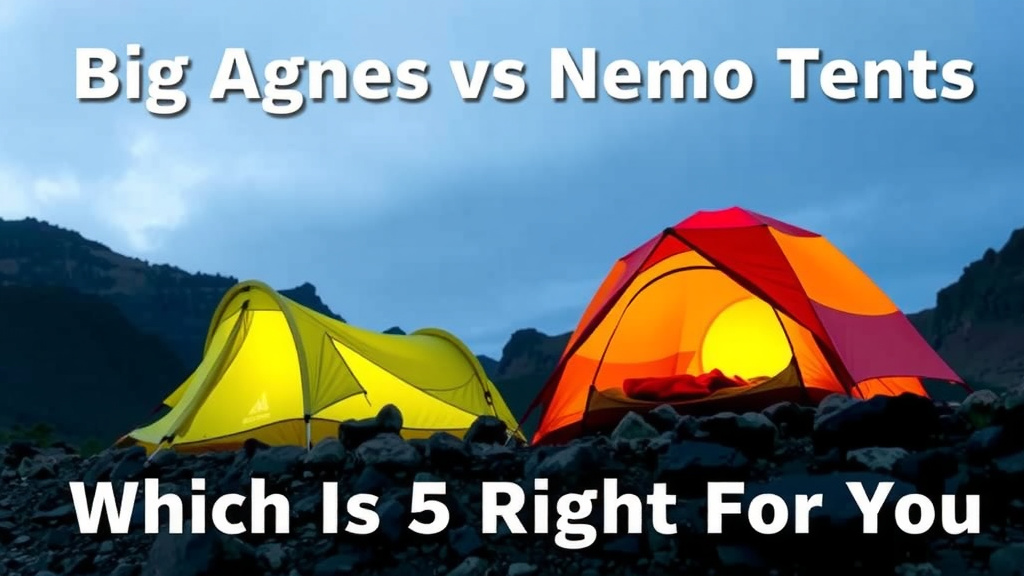
Big Agnes vs Nemo Tents: Which Is Right For You
When choosing between Big Agnes and Nemo tents, it’s less about one being definitively “better” and more about matching your specific camping style. Both brands offer excellent quality and innovation, but they often cater to slightly different priorities. Nemo tends to focus on unique features and ultralight designs, while Big Agnes is known for its durability and roomy interiors.
You’re probably wondering which one will keep you drier and happier on your next adventure. We found that comparing their popular models reveals key differences in weight, livability, and packed size. Understanding these can help you make the perfect choice for your backpacking trips or car camping getaways.
- Big Agnes: Often prioritizes space and durability.
- Nemo: Frequently innovates with unique features and ultralight options.
- Both brands use high-quality materials.
- Your best choice depends on your camping needs.
- Consider weight, space, and specific features.
Let’s break down how Big Agnes and Nemo tents stack up against each other, so you can pick the one that feels like home in the wild.
Comparing Big Agnes and Nemo Tents for Your Next Trip
Deciding between a Big Agnes and a Nemo tent can feel like choosing between two great flavors of ice cream. Both are delicious, but one might just hit the spot a little better for your specific craving. We found that these two brands often approach tent design with slightly different philosophies, which can make one a better fit for you than the other.
Where Do Big Agnes and Nemo Stand Out?
Big Agnes often emphasizes durability and livable space. They’re known for making tents that feel solid and offer plenty of room to move around inside. Nemo, on the other hand, frequently pushes the envelope with innovative features and ultralight designs. If you’re looking for the absolute lightest gear or a tent with a clever, unique function, Nemo might catch your eye.
The Big Agnes Approach: Space and Sturdiness
When you pitch a Big Agnes tent, you often notice how much headspace you have. They’re engineered to maximize interior volume. This means you can sit up comfortably, spread out your gear, and generally avoid feeling cramped. Many users appreciate this extra room, especially on longer trips or when sharing a tent.
Built to Last
Big Agnes tents are also renowned for their robust construction. They use high-quality fabrics and sturdy poles designed to withstand various weather conditions. If you’re someone who camps frequently or in areas where the weather can be unpredictable, the durability of a Big Agnes tent can offer peace of mind. We found their tents often perform well in windy conditions.
The Nemo Philosophy: Innovation and Ultralight
Nemo tents often feel like they have a few tricks up their sleeve. They are pioneers in incorporating unique features that solve common camping problems. Think integrated gear lofts, clever ventilation systems, or even a built-in footboard for added comfort. These thoughtful touches can make a big difference in your overall camping experience.
Shedding Weight
Nemo also excels in the ultralight and minimalist arena. They understand that for many backpackers, every ounce counts. Their designs often focus on reducing weight without sacrificing essential functionality. If your priority is to lighten your load for long-distance treks or fast-and-light adventures, Nemo offers some compelling options. Many experts suggest ultralight gear is essential for reducing fatigue on extended hikes (National Park Service).
Key Comparison Points: What to Consider
When you’re comparing models side-by-side, a few factors will likely stand out. We’ve found these are the most important areas to look at to make sure you’re getting the right tent for your needs.
Weight and Packed Size
This is often the first consideration for backpackers. If you’re carrying your shelter on your back, every pound matters. Nemo generally offers more ultralight options, with some models focusing heavily on minimizing weight and packed volume. Big Agnes also has lighter tents, but they might be slightly heavier than comparable Nemo models, often in exchange for more space or durability.
Interior Space and Livability
How much room do you need inside your tent? If you value being able to sit up, change clothes easily, or have space for gear storage, Big Agnes often takes the lead. Their designs tend to feel more spacious and less confining. Nemo tents can be roomy, but some of their ultralight models may sacrifice a bit of headroom or floor space to save weight.
Durability and Weather Resistance
For campers who face challenging weather or simply want a tent that will last for many seasons, durability is key. Big Agnes has a reputation for building tough tents. They use strong fabrics and well-engineered pole systems. Nemo also uses quality materials, but their focus on lightness might mean some of their most ultralight models are less suited for extreme conditions.
Unique Features and Innovation
This is where Nemo often shines. They frequently introduce clever features like vestibules that can be configured in multiple ways or integrated storage solutions. If you appreciate thoughtful design and a tent that offers more than just basic shelter, Nemo’s innovative approach might appeal to you. Big Agnes tents are well-designed, but their focus is often more on refined functionality rather than unique, standout features.
Ease of Setup
Setting up your tent should be straightforward, especially after a long day of hiking. Both brands generally make their tents easy to pitch. Many models from both Big Agnes and Nemo use color-coded poles and clips for quick assembly. We found that simpler pole designs tend to be faster, which is common in both brands’ more minimalist tents.
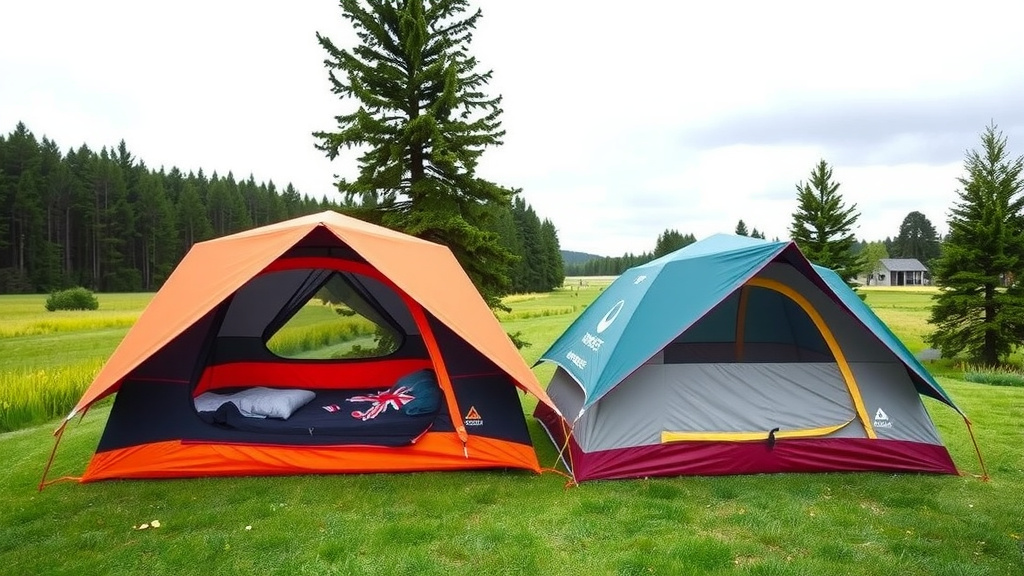
Which Tent is Right for You? A Quick Checklist
To help you narrow down your choice, consider these points. Ask yourself which of these is most important for your typical camping adventures:
- Do you prioritize minimal weight for backpacking?
- Is having plenty of interior space a must-have?
- Are you looking for the most durable option for rough conditions?
- Do you love innovative features and clever design?
- How much are you willing to spend for these benefits?
- What kind of weather do you usually camp in?
A Look at Popular Models
While specific models change, the general philosophies tend to hold true. For example, Big Agnes’s Copper Spur series is often praised for its balance of weight, space, and livability, making it a popular choice for many backpackers. Nemo’s Aurora or Dagger models often highlight innovative features and strong performance for their weight class.
Table: General Tendencies (Not Specific Models)
This table gives a general idea of what you might find. Remember to check the specs of individual tents!
| Feature | Big Agnes Tendency | Nemo Tendency |
|---|---|---|
| Weight | Moderate to Lightweight | Ultralight to Lightweight |
| Interior Space | Generous Headroom & Floor Space | Efficient, sometimes more compact |
| Durability | High, robust materials | Good, balanced with weight |
| Innovation | Refined functionality | Unique features, clever design |
| Price | Mid to High | Mid to High |
Conclusion
When you’re deciding between a Big Agnes and a Nemo tent, remember it’s about your personal camping style. Big Agnes often gives you more room and a tougher build, perfect for those who value comfort and longevity. Nemo excels with lightweight designs and clever features that backpackers often appreciate. We found that both brands create fantastic shelters, but focusing on your priorities—like weight, space, or unique innovations—will guide you to the right tent. Your next step is to check out specific models that align with your camping needs and get ready for your next adventure!
Frequently Asked Questions
Are Nemo tents good for bad weather?
Nemo tents are generally well-made and use quality materials. However, their focus on ultralight designs means some of their most minimalist tents might be less suited for extreme or prolonged harsh weather. Always check the specifications for wind and water resistance ratings if you anticipate challenging conditions.
Which brand is better for car camping?
For car camping, where weight is less of a concern, Big Agnes might be a great choice. Their tents often prioritize interior space and durability, offering a more comfortable and livable experience when you don’t need to carry your shelter. You’ll have more room to spread out and store gear.
How do Big Agnes and Nemo compare in price?
Both Big Agnes and Nemo tents typically fall into the mid to high price range. You are investing in quality materials, thoughtful design, and brand reputation. Nemo’s ultralight options might sometimes command a premium, while Big Agnes’s focus on durability can also influence cost.
Is one brand easier to set up than the other?
Both brands generally design their tents for relatively easy setup. Many models use color-coded poles and clips for quick assembly. Simpler pole structures, common in both brands’ more minimalist tents, often lead to the fastest pitch times.
Which brand offers more innovative features?
Nemo frequently introduces unique features and clever design solutions aimed at enhancing the camping experience. You might find integrated gear lofts, advanced ventilation, or versatile vestibule designs. Big Agnes tents are well-designed with refined functionality, but they tend to focus less on standout, novel features.