Bivy vs Tent Reddit: What Campers Recommend
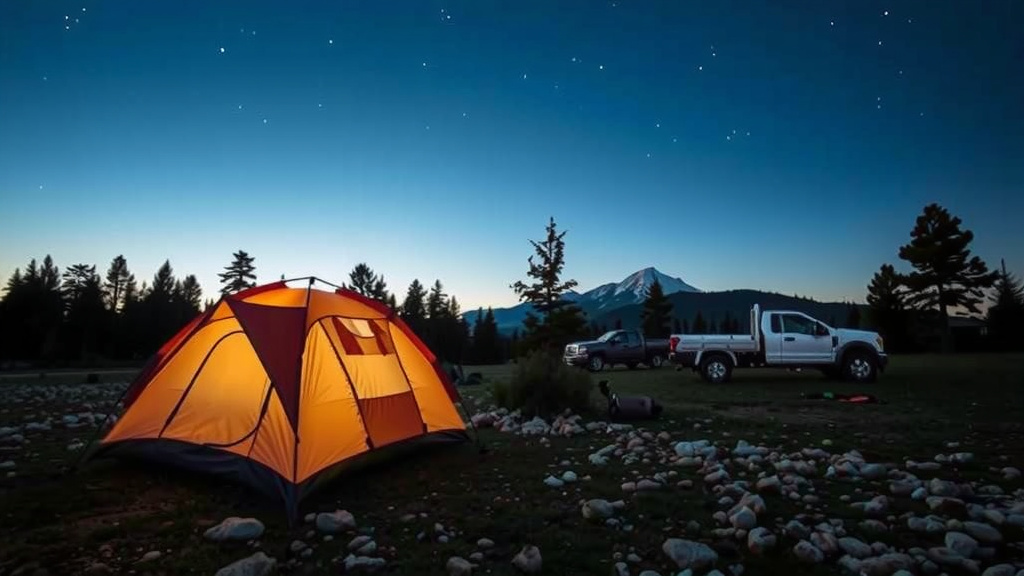
When deciding between a bivy sack vs. tent for your next outdoor adventure, it really comes down to your priorities. A bivy sack offers minimalist protection and is great for fast-and-light trips where weight is key, while a tent provides more comfort and ample space. Think of a bivy as a super-light, waterproof bag for your sleeping bag, and a tent as a small, portable room.
Many outdoor enthusiasts on Reddit debate this topic. Some love the simplicity and low profile of a bivy for solo trips or when bugs aren’t an issue. Others prefer the security and comfort of a tent, especially for longer stays or when camping with a partner or gear. Your choice will impact your pack weight and your overall camping experience.
- Bivy sacks are ultra-light and compact for solo, fast trips.
- Tents offer more space, weather protection, and comfort for longer stays.
- Consider your trip length, group size, and gear needs.
- Reddit discussions highlight personal preference and specific use cases.
Let’s dive into the specific differences so you can pick the perfect shelter for your needs!
Bivy Sack vs. Tent: What’s the Real Difference for Backpackers?
When you’re out on the trail, your shelter is your sanctuary. You might be wondering about the differences between a bivy sack and a tent. Many discussions online, especially on Reddit, break down these choices. We’ve gathered the key points to help you decide which one fits your camping style best. Think of it as choosing between a sleek, high-performance sports car and a comfortable, spacious SUV.
Understanding the Bivy Sack: Minimalism at Its Finest
A bivy sack, short for bivouac sack, is essentially a waterproof and breathable cover for your sleeping bag. It’s designed to add protection from the elements without the bulk of a traditional tent. Imagine it as a robust, weather-resistant cocoon that you slip into.
What a Bivy Sack Offers You
Bivy sacks excel in a few key areas. They are incredibly lightweight and compact, which is a huge advantage when every ounce counts. They also have a very low profile, making them less visible and more appealing for minimalist camping or when you want to feel more connected to nature. Some hikers love the feeling of sleeping under the stars while still being protected.
- Weight Savings: Typically, a bivy sack weighs less than a pound.
- Small Footprint: They take up very little space in your pack.
- Fast Setup: You can often deploy a bivy in just a minute or two.
- Simplicity: No poles, no stakes, just a simple sleeve.
When a Bivy Might Not Be Enough
However, bivy sacks do have limitations. They can feel quite confining, and if you’re not careful, you might experience condensation buildup inside. This means your sleeping bag could get damp. They also offer minimal bug protection unless they have an integrated mesh. For many, the biggest drawback is the lack of space for gear or room to change clothes comfortably.
Research also shows that while breathable, some advanced bivy fabrics can still trap moisture during prolonged rain or high humidity (GearJunkie). So, your personal tolerance for close quarters and potential dampness is key.
The Traditional Tent: Your Portable Home Away From Home
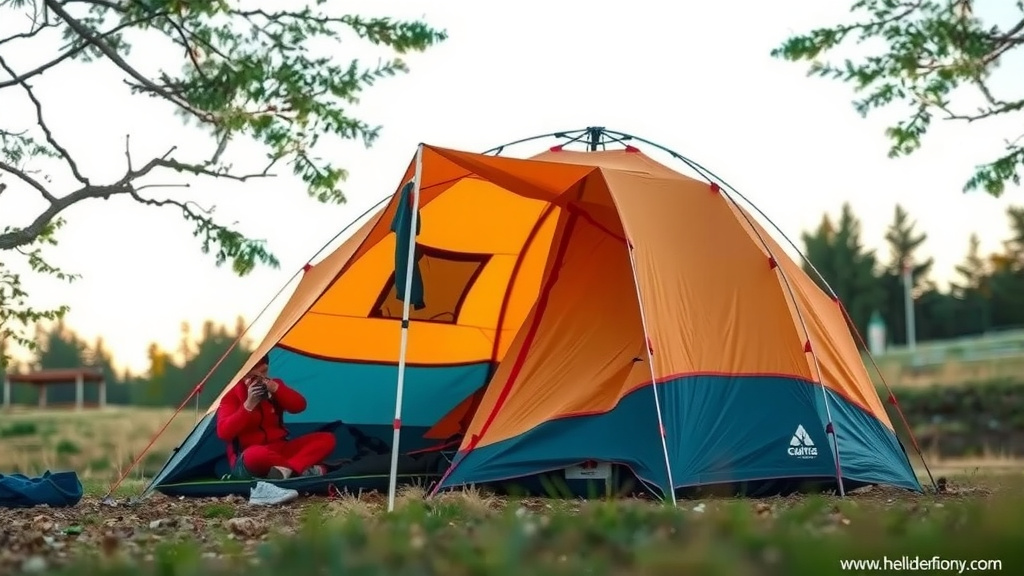
A tent offers a more substantial shelter experience. It’s a freestanding or semi-freestanding structure that uses poles and fabric to create an enclosed living space. Tents come in a huge variety of sizes and designs, from single-person ultralight models to larger multi-person shelters.
Advantages of Camping in a Tent
Tents provide significantly more comfort and space. You have room to sit up, change clothes, organize your gear, and even read a book. The separation between you and the outside world is much greater. This can be a huge psychological boost, especially in bad weather or when you’re sharing the space.
- Ample Headroom: You can usually sit up comfortably inside.
- Gear Storage: Vestibules offer protected space for your backpack and boots.
- Ventilation: Better airflow helps manage condensation.
- Insect Protection: Mesh doors and windows keep bugs out.
The Downside of Tent Camping
The main trade-off for this comfort is weight and bulk. Even lightweight backpacking tents are heavier than bivy sacks. They also take longer to set up, often requiring poles and stakes to be assembled correctly. If you’re planning a fast-and-light solo trip, a tent might feel like overkill.
Many sources, like REI’s guide to choosing a tent, highlight that while tents offer superior comfort, their weight can be a significant factor for long-distance hikers or those prioritizing packability (REI).
Bivy vs. Tent: A Direct Comparison
Let’s break down the core differences to help you visualize which might be right for you. We’ve put together a simple table to highlight the key distinctions you’ll encounter.
| Feature | Bivy Sack | Tent |
|---|---|---|
| Weight | Ultralight (under 1 lb typically) | Lightweight to moderate (1.5 lbs to 5+ lbs) |
| Space | Very confined, sleeping bag only | Room to sit up, store gear, move |
| Setup Time | Very fast (under 2 minutes) | Moderate (5-10 minutes) |
| Weather Protection | Good for rain and wind, but condensation can be an issue | Excellent, with better ventilation options |
| Bug Protection | Minimal (unless mesh integrated) | Excellent with mesh panels |
| Cost | Generally less expensive | Wide range, can be more expensive |
Condensation: The Bivy’s Arch-Nemesis?
One of the most frequently debated points on forums like Reddit is condensation inside a bivy sack. When your warm breath meets the cooler fabric of the bivy, water vapor turns into liquid. If the bivy isn’t breathable enough, or if you’re not careful with ventilation (often just a small opening), this moisture can make your sleeping bag damp.
Good bivy designs use highly breathable waterproof fabrics, like Gore-Tex, to combat this. However, in certain conditions, like sleeping in a humid forest or during a cold night, some level of condensation is almost unavoidable. A tent, with its mesh layers and multiple vents, generally offers much better control over interior moisture.
Which Shelter Fits Your Next Adventure?
Your choice between a bivy and a tent often comes down to a few key questions about your typical trips. Are you chasing peak performance and shaving every ounce from your pack? Or are you looking for a comfortable basecamp where you can relax after a long day?
Consider Your Trip Essentials: A Checklist
To help you narrow it down, ask yourself these quick questions:
- Solo or Group? Bivies are almost exclusively for solo use.
- Trip Duration? Short trips might favor a bivy’s simplicity. Longer trips often benefit from a tent’s comfort.
- Weather Patterns? Expecting rain and cold? A tent offers more reliable dryness.
- Bug Activity? If mosquitos are out, you’ll want a tent’s mesh.
- Gear Needs? Do you need space to cook inside or organize lots of equipment?
- Tolerance for Confine? How much do you value personal space in your shelter?
The Verdict for Different Backpackers
If you’re a ultralight backpacker who loves sleeping under the stars and prioritizes speed and minimal weight above all else, a bivy sack might be your perfect companion. Think of the famous alpinists who use them on big walls – that’s the extreme end of its utility.
On the other hand, if you enjoy car camping, base camping, or multi-day backpacking trips where comfort, space, and protection from all elements (bugs, rain, wind, and critters) are important, a tent will likely serve you much better. Many experienced hikers and campers find that the added weight of a tent is a worthy trade-off for the increased comfort and versatility it provides.
Conclusion
Choosing between a bivy sack and a tent hinges on what your adventures demand. A bivy offers ultralight, minimalist protection for soloists focused on speed and low weight. Think of it as your personal, weather-resistant shell. A tent, on the other hand, provides welcome space, better climate control, and enhanced bug defense, making it ideal for longer trips, partners, or when comfort is a priority. We’ve seen how factors like trip duration, group size, and expected conditions weigh into this decision. Consider your own camping style and priorities carefully. Your next perfect night under the stars awaits!
Frequently Asked Questions
How do I choose between a bivy and a tent on Reddit?
Reddit users often discuss their personal experiences. Look for threads where people describe the specific trips they took and the gear they used. Pay attention to how they felt about weight, comfort, and weather protection during their adventures.
What’s the biggest problem with bivy sacks that people mention?
Condensation is frequently cited as the main drawback. If your bivy isn’t breathable enough or if you’re camping in damp conditions, moisture can build up inside. This can make your sleeping bag feel damp over time.
When is a tent a better choice than a bivy, even if I want to go light?
If you’re camping with another person, need space for gear, or anticipate buggy conditions or significant rain, a tent is usually a better choice. The added weight of a tent is often worth the comfort and protection it provides for these situations.
Can a bivy sack really keep me dry in heavy rain?
A good quality bivy sack will offer good rain protection. However, prolonged, heavy rain can test its limits, and condensation can still be an issue. For guaranteed dryness in downpours, a tent with better ventilation is often more reliable.
Are bivy sacks only for experienced ultralight backpackers?
While ultralight backpackers often favor bivies, they can be for anyone prioritizing minimal weight and simplicity. If you’re a solo camper who values sleeping close to nature and doesn’t need much internal space, a bivy could work for you, regardless of experience level.
![7 Best Canvas Cabin Tents [2026]](https://leonardhomeoutdoor.com/wp-content/uploads/2026/08/7-best-canvas-cabin-tents-2026-featured-768x432.jpg)
![7 Best Tent For Camping In The Rain [2026]](https://leonardhomeoutdoor.com/wp-content/uploads/2026/09/7-best-tent-for-camping-in-the-rain-2026-featured-768x432.jpg)
![7 Best Budget Pop Up Tent [2026]](https://leonardhomeoutdoor.com/wp-content/uploads/2026/08/7-best-budget-pop-up-tent-2026-featured-768x432.jpg)