
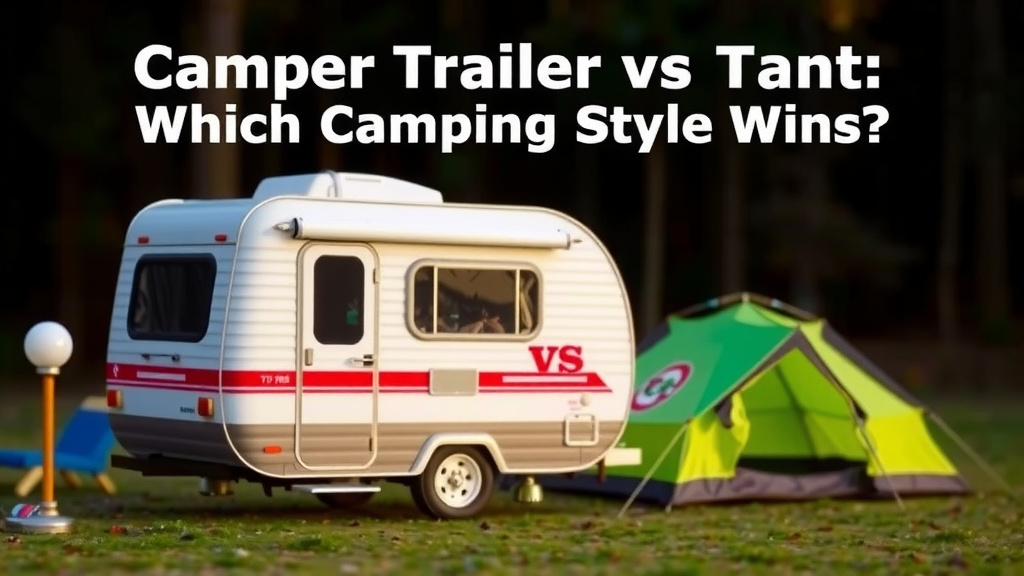
Camper Trailer vs Tent: Which Camping Style Wins
When deciding between a camper trailer and a tent for your next adventure, it really comes down to your comfort needs and desired amenities. A camper trailer generally offers more space and convenience, often including beds, kitchenettes, and even bathrooms, making it ideal for longer trips or those who prefer creature comforts. Tents, on the other hand, are simpler, more affordable, and perfect for a more traditional, back-to-basics camping experience.
Choosing the right shelter impacts your entire trip. Tents are fantastic for easy portability and getting closer to nature. Camper trailers provide a substantial upgrade in comfort and protection from the elements. Many campers find that the best choice depends on the type of trip and who you’re traveling with; research and found that factors like budget and trip duration are key differentiators.
- Camper trailers offer more comfort and amenities.
- Tents are simpler, cheaper, and great for basic camping.
- Consider your trip length and budget.
- Campers often choose based on their desired level of convenience.
Let’s walk through the key differences to help you decide which might be the better fit for your adventures.
Choosing Your Camping Shelter: Camper Trailer vs. Tent
Deciding between a camper trailer and a tent is a big step for your outdoor plans. Both offer shelter, but they cater to very different camping styles. We found that understanding these differences is key to picking the right option for you. Think about what kind of trip you’re dreaming of. Are you heading for a weekend getaway or a month-long road trip? Who are you traveling with? These questions will guide your choice.
The Tent Experience: Simplicity and Connection
A tent is the classic camping choice. It’s your basic shelter that packs down small. You’ll be sleeping on the ground, often on a sleeping pad or air mattress. Tents are fantastic for when you want to feel really close to nature. You hear the birds in the morning and the crickets at night. It’s a more immersive outdoor experience.
Pros of Camping with a Tent
- Portability: Tents are lightweight and can be carried easily. You can hike them into remote campsites.
- Affordability: They are significantly cheaper than camper trailers. You can buy a good tent for a few hundred dollars.
- Versatility: You can set up a tent in many places, from established campgrounds to backcountry sites.
- Simplicity: There’s less to maintain and fewer systems to worry about.
Cons of Camping with a Tent
- Comfort: Sleeping on the ground can be uncomfortable for some. Setting up and taking down can be a chore, especially in bad weather.
- Weather Protection: While good tents keep rain out, you’re more exposed to the elements. Strong winds can be a challenge.
- Amenities: You’ll likely need to bring all your cooking gear and find facilities for bathrooms.
- Space: Tents can feel cramped, especially for longer trips or when traveling with family.
The Camper Trailer Lifestyle: Comfort and Convenience
A camper trailer, also known as a travel trailer or pop-up camper, offers a significant step up in comfort. It’s essentially a small, portable home you can tow behind your vehicle. These trailers come with features that make camping feel more like a vacation and less like roughing it.
Features You Can Expect in a Camper Trailer
Many camper trailers include comfortable beds, eliminating the need for sleeping bags on the ground. You’ll often find a small kitchen area, sometimes called a kitchenette, with a sink, stovetop, and even a refrigerator. Some larger models even boast a dedicated bathroom with a toilet and shower.
Pros of Camping with a Camper Trailer
- Comfort: You get real beds, protection from bugs, and a solid roof over your head.
- Convenience: Onboard amenities like kitchens and bathrooms streamline your camping experience.
- Weather Resistance: Trailers offer excellent shelter from rain, wind, and even colder temperatures.
- Space: More room to move around, store gear, and relax.
Cons of Camping with a Camper Trailer
- Cost: Camper trailers are a significant investment, both in purchase price and ongoing costs like insurance and maintenance.
- Towing Requirements: You need a vehicle capable of towing the trailer. This adds another layer of planning.
- Campground Access: Some campgrounds have size restrictions. You might not be able to access all desired locations.
- Setup: While easier than a tent, setting up a trailer still requires some effort, especially with leveling and connecting utilities.
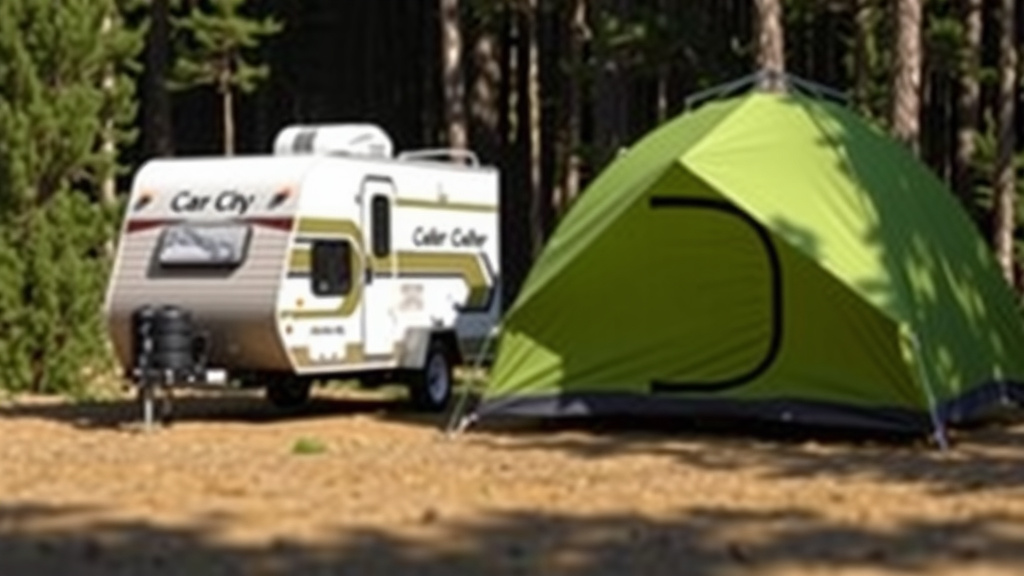
Key Comparison Points: Making Your Choice
Let’s break down the main differences side-by-side. Many experts agree that the best choice depends entirely on your personal priorities.
| Feature | Tent | Camper Trailer |
|---|---|---|
| Initial Cost | Low | High |
| Comfort Level | Basic | High |
| Portability | Excellent | Good (requires towing vehicle) |
| Amenities | None | Kitchen, bed, often bathroom |
| Weather Protection | Moderate | Excellent |
| Setup Time | Moderate | Moderate |
| Best For | Short trips, budget travelers, hikers, minimalist campers | Longer trips, families, those seeking comfort, RV-style camping |
Budget Considerations
If your budget is tight, a tent is almost always the more economical choice. You can find good quality tents for under $200. Adding a sleeping pad and basic camping gear can still keep your total cost low. Camper trailers, on the other hand, can range from a few thousand dollars for a basic pop-up to tens of thousands for a travel trailer. Research by the RV Industry Association shows that while upfront costs are high, some find long-term value if they camp frequently.
Trip Length and Travel Style
For short weekend trips or simple overnight stays, a tent is often sufficient and much easier to pack and transport. If you plan on longer vacations, multi-week road trips, or camping in areas with less-than-ideal weather, a camper trailer offers a much more comfortable and practical solution. We found that families often lean towards trailers because of the added space and conveniences for children.
Desired Amenities and Comfort
Do you need a hot shower after a long day of hiking? Do you prefer to cook meals on a proper stovetop rather than over a campfire? If you answered yes, a camper trailer is likely a better fit. Tents require you to bring most things with you and rely on campground facilities or external gear. For many, the convenience of an onboard bathroom and kitchen is a huge deciding factor.
Your Vehicle and Towing Capability
This is a critical point if you’re considering a camper trailer. Do you have a truck, SUV, or large sedan with a towing package? You need to ensure your vehicle has the horsepower and capacity to safely tow the weight of the trailer you’re interested in. Many resources, like those from the Department of Transportation, outline towing safety guidelines. If your current vehicle isn’t equipped, you’ll need to factor in the cost of a new vehicle or look into smaller, lighter trailer options.
Checklist for Your Decision
To help you finalize your choice, ask yourself these questions:
- What is my realistic budget for the shelter and related gear?
- How many people will typically be camping with me?
- What kind of trips do I envision (weekend vs. extended)?
- How important are amenities like a private bathroom and kitchen?
- Does my current vehicle have the towing capacity for a trailer?
- How much effort am I willing to put into setup and breakdown each day?
Conclusion
You’ve weighed the pros and cons of tents and camper trailers. Now you’re ready to choose your next adventure shelter. Remember, a tent offers that classic, simple connection to the outdoors and is easy on your wallet. A camper trailer brings comfort, convenience, and protection, making longer trips or family outings much easier. Your ideal choice depends on your budget, travel style, and what amenities you can’t live without. Take a moment to review your checklist and picture yourself on your next trip. Your perfect camping experience awaits!
Frequently Asked Questions
Is a camper trailer easier to set up than a tent?
Setting up a camper trailer generally takes more effort than a tent. While tents require pitching poles and staking fabric, trailers need leveling and potentially connecting utilities. However, you avoid sleeping on the ground and have immediate shelter with a trailer.
Can I camp with a tent in bad weather?
Good quality tents can offer decent protection from rain and wind. However, you are still more exposed to the elements compared to a camper trailer. Strong winds can be more challenging for tents, and prolonged heavy rain can test their waterproofing.
What kind of vehicle do I need to tow a camper trailer?
You’ll need a vehicle with sufficient towing capacity, often an SUV, truck, or larger sedan with a towing package. The specific requirements depend on the weight and size of the camper trailer you choose. Always check your vehicle’s owner’s manual for its towing limits.
Are camper trailers expensive to maintain?
Yes, camper trailers can incur maintenance costs. This includes regular checks on tires, brakes, and suspension, as well as potential repairs to appliances, plumbing, and electrical systems. Tents require minimal maintenance, mostly just cleaning and proper storage.
What if I don’t have a vehicle that can tow a trailer?
If your current vehicle isn’t suitable for towing, you have a few options. You could consider purchasing a smaller, lighter tent trailer that may be towable by many cars. Alternatively, you could rent a vehicle with towing capabilities for your trip, or simply stick with tent camping which requires no towing.
![7 Season Tents For Camping [2026]](https://leonardhomeoutdoor.com/wp-content/uploads/2026/08/7-season-tents-for-camping-2026-featured-768x432.jpg)
One Comment