Cheap vs Expensive Tents: Which Is Right For You
When you’re deciding between a cheap tent and an expensive one, it’s not always a simple case of “you get what you pay for.” Often, a mid-range tent offers the best balance of features and durability for most campers. While cheap tents can get the job done for occasional use, pricier models often provide superior weather protection and longevity.
Your camping adventures deserve gear that won’t let you down. We found that understanding the differences in materials, design, and construction can help you make the smartest choice. A budget tent might be tempting, but investing a bit more can save you headaches and money in the long run.
- Cheap tents are okay for rare backyard camping.
- Expensive tents offer better weather resistance and durability.
- Mid-range tents are often the sweet spot for most campers.
- Consider your camping frequency and conditions.
Let’s break down what really sets these tents apart and help you find the perfect shelter for your next outdoor getaway.
Budget Tents vs. Premium Shelters: What’s the Real Difference?
So, you’re wondering if that super cheap tent is going to be a cozy little haven or a soggy disaster, right? We get it. Camping should be fun, not a test of your patience with leaky gear. Let’s break down what you’re actually getting when you look at tents across different price points.
The biggest difference often comes down to the materials used and how well the tent is put together. Think of it like buying a coat. A thin windbreaker might keep the breeze off for a casual stroll, but you wouldn’t wear it in a blizzard. A good tent works much the same way, protecting you from the elements.
Materials Matter: What Your Tent is Made Of
When you’re comparing tents, you’ll see a lot of technical fabric names. What do they actually mean for you and your camping trip?
Tent Fabric: Nylon vs. Polyester
Most tents use either nylon or polyester for their rainfly and body. We found that polyester is generally more UV resistant than nylon. This means it won’t break down as quickly if you camp in sunny spots. It also absorbs less water, which is a big plus.
Nylon, on the other hand, is often lighter and stronger for its weight. This is why you see it in more lightweight, high-end tents. However, it can stretch when wet and is more prone to UV damage over time if not treated. Many experts say polyester is a better all-around choice for most campers due to its balance of durability and cost (Outdoor Foundation).
Waterproofing: Denier and Coatings
You’ll also see numbers like “68D” or “75D.” This refers to the denier of the fabric, which is a measure of its thickness and durability. A higher denier number generally means a tougher, more robust fabric. But don’t forget the coating!
The rainfly and floor are usually coated with PU (polyurethane) or silicone to make them waterproof. A higher waterproof rating, measured in millimeters (mm), means it can withstand more water pressure before leaking. Cheap tents might have a lower rating or a coating that wears off quickly.
Poles: Aluminum vs. Fiberglass
Tent poles are the skeleton of your shelter. Cheap tents often use fiberglass poles. They’re inexpensive but can be brittle and prone to splintering, especially in cold weather. We’ve heard stories of fiberglass shards ending up everywhere!
More expensive tents typically use aluminum poles. These are much stronger, more flexible, and lighter than fiberglass. They can bend significantly without breaking, making them a more reliable choice for windy conditions or rougher trips. Many camping guides recommend aluminum poles for their longevity (REI Co-op).
Design and Construction: More Than Just Looks
It’s not just about the thread count of the fabric. How a tent is designed and put together makes a huge difference in its performance.
Seam Taping and Reinforced Stress Points
Look closely at the seams. A well-made tent will have taped seams, meaning a waterproof tape is sealed over every stitch. This is critical for keeping rain out. Cheap tents often skimp on this, leaving you vulnerable to leaks.
You should also check for reinforced stress points, like the corners where poles connect or where guy lines attach. These areas take a lot of pressure. Stronger stitching and extra fabric patches here mean your tent is less likely to rip or tear when the wind picks up.
Ventilation and Airflow
Condensation can be a camper’s worst enemy, even in mild weather. Good tents have smart ventilation systems. This usually means mesh panels and vents that allow air to circulate, reducing moisture buildup inside. Without good airflow, your tent can feel damp and clammy, regardless of how dry it is outside.
Cheaper tents might have fewer mesh panels or less effective vent designs. This can lead to a stuffy interior and a real dampness problem, especially if you’re camping in humid conditions or during cooler weather when you’re all zipped up tight.
Freestanding vs. Non-Freestanding Designs
A freestanding tent can stand up on its own once the poles are in place. This makes setup super easy and allows you to move it around a bit before staking it down. Most modern dome tents are freestanding.
Non-freestanding tents often rely on guy lines and stakes to achieve their shape. They can be lighter and more compact, which appeals to backpackers. However, they require more effort to set up properly and need a suitable spot for staking. If you’re new to camping or prefer a quick setup, freestanding is usually the way to go.
Durability and Longevity: Investing in Your Adventures
This is where the price difference really shows. How long will your tent last, and how much abuse can it take?
Weather Resistance: Wind and Rain
We found that tents in the mid to higher price range generally offer superior protection from the elements. They use stronger fabrics, more robust pole systems, and better seam sealing. This means they’re less likely to collapse in a strong wind or leak during a downpour.
A cheap tent might be fine for a calm, dry night in the backyard or a very casual campsite. But if you plan on experiencing anything more than perfect weather, investing in a more durable tent is wise. Think of it as peace of mind. Knowing your tent will hold up means you can relax and enjoy your trip, no matter the weather forecast.
Expected Lifespan and Cost-Effectiveness
A good quality tent, with proper care, can last many years and dozens, if not hundreds, of camping trips. A cheap tent might only last a few seasons, or even just a few trips, before a pole breaks, a seam rips, or the waterproofing fails. When you factor that in, the initial savings on a cheap tent can quickly disappear. A cheap tent might only last a few seasons before its waterproofing fails.
Many campers find that a mid-range tent offers the best long-term value. You get significantly better performance and durability than a budget option, without the premium price tag of a top-tier expedition tent. We found that for the average recreational camper, this middle ground hits the sweet spot.
Your Camping Checklist: What to Look For
Before you make a decision, ask yourself these questions and check these boxes:
- How often will you go camping? (Once a year? Once a month?)
- What kind of weather do you expect? (Sunny and warm? Windy and rainy?)
- Who will be camping with you? (Solo? Family with kids? Large group?)
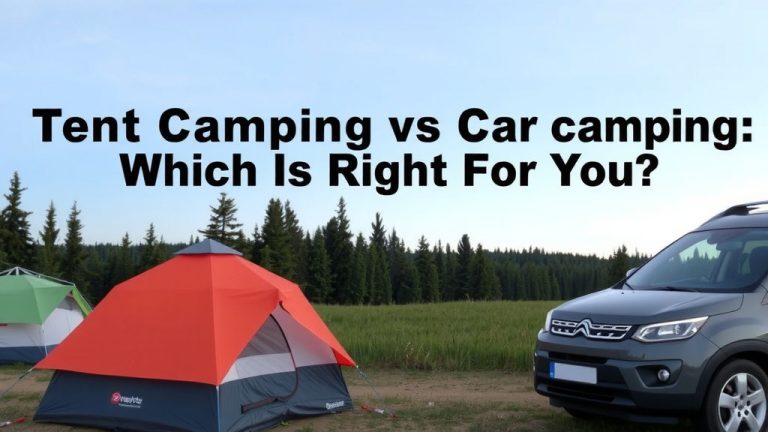
- What kind of camping will you do? (Car camping? Backpacking?)
- What’s your budget, and how much durability do you need?
- Does the tent have taped seams and good ventilation?
By considering these factors, you can choose a tent that truly fits your needs, ensuring your outdoor adventures are comfortable and memorable.
Conclusion
Choosing the right tent doesn’t have to be complicated. While a cheap tent might seem like a good deal for infrequent camping, it often falls short on durability and weather protection. We found that investing in a mid-range tent typically offers the best bang for your buck. It provides a solid balance of materials, construction, and features for most outdoor enthusiasts. Consider your typical camping conditions and frequency before making your final choice. Head to your local outdoor store and feel the fabrics, check the pole construction, and imagine setting it up. Your next adventure awaits!
Frequently Asked Questions
Will a cheap tent really be that bad in rain?
A cheap tent often has lower waterproof ratings and less durable seam sealing. In moderate to heavy rain, you might find leaks developing quickly. We’ve seen many instances where budget tents can struggle to keep you dry. A cheap tent often has lower waterproof ratings and less durable seam sealing.
Are expensive tents always worth the extra cost?
Not necessarily. While premium tents offer excellent performance, they often come with features suited for extreme conditions or ultralight backpacking. For most casual campers, a well-chosen mid-range tent provides 80-90% of that performance at a much lower price.
How often do I need to replace a cheap tent?
If used more than just a few times a year, a cheap tent might only last one or two seasons. Damage from UV rays, frequent setup/takedown, or moderate weather can cause poles to break or fabric to tear relatively quickly.
What’s the most important feature to look for in any tent?
We research and found that taped seams are incredibly important for waterproofing. Good ventilation is also key to prevent condensation. These features are often more reliable on mid-range and higher-priced tents, even if the fabric denier is similar.
Can I make a cheap tent last longer?
You can try by always setting it up on a groundsheet, avoiding direct sunlight when possible, and repairing small tears immediately. However, the fundamental quality of materials and construction in a cheap tent will still limit its overall lifespan and performance compared to a better-built option.