Hiking Tent vs Camping Tent: Which Is Right for You
Choosing between a hiking tent and a camping tent depends on your primary use. Hiking tents are built for lightweight portability and durability, perfect for carrying long distances. Camping tents prioritize comfort and space for car camping trips where weight isn’t a major concern.
Think of it like this: a hiking tent is your trusty trail companion, designed to be barely noticeable in your backpack. A camping tent, on the other hand, is more like a cozy home base for your outdoor adventures. Many campers find that having both types serves their different needs best.
- Hiking tents: lightweight, compact, durable for backpacking.
- Camping tents: spacious, comfortable, ideal for car camping.
- Your trip’s distance and carrying capacity are key factors.
- Consider the trade-off between weight and interior space.
Let’s break down the key differences and help you figure out which tent is your perfect match.
Hiking Tents Versus Camping Tents: What’s the Difference?
So, you’re planning an outdoor adventure and need a tent. That’s exciting! But wait, there are different kinds? Absolutely. The main difference boils down to weight and space. Are you planning to carry your shelter on your back for miles, or will it ride along in your car? This is the first question you should ask yourself.
We’ve found that understanding these core distinctions can save you a lot of hassle. It’s about matching the tent to your activity, not just picking the prettiest one. Let’s break down these two popular choices: the hiking tent and the camping tent.
The Backpacking Companion: Hiking Tents
A hiking tent, often called a backpacking tent, is all about minimal weight and a small packed size. When you’re trekking for days, every ounce in your backpack counts. You’re looking for a tent that disappears into your gear and doesn’t feel like a burden on your shoulders.
Lightweight Materials Are Key
To achieve this low weight, hiking tents use advanced, lightweight materials. Think thinner tent fabrics, often made from ripstop nylon or polyester. The poles are usually made from strong yet light aluminum alloys or carbon fiber. These materials reduce the overall weight significantly.
Compact Design for Easy Packing
Beyond just being light, hiking tents are designed to pack down incredibly small. They often come with compression sacks. This lets you stuff them into tight spaces in your backpack. You’ll find they take up less room than a bulky camping tent, leaving more space for other essentials.
Durability on the Trail
Don’t let the light weight fool you; hiking tents are built to be tough. They need to withstand wind, rain, and the general wear and tear of being carried and set up repeatedly. We found that many use reinforced seams and robust zippers. This ensures they can handle rugged conditions.
Sacrificing Space for Weight
The trade-off for being so lightweight is usually interior space. Hiking tents are often designed for one or two people, with minimal room to spare. You might have enough space to sleep comfortably and store your backpack. But don’t expect to stand up or spread out much. Many guidelines suggest this is a necessary compromise for backpackers (U.S. Forest Service).
Your Cozy Basecamp: Camping Tents
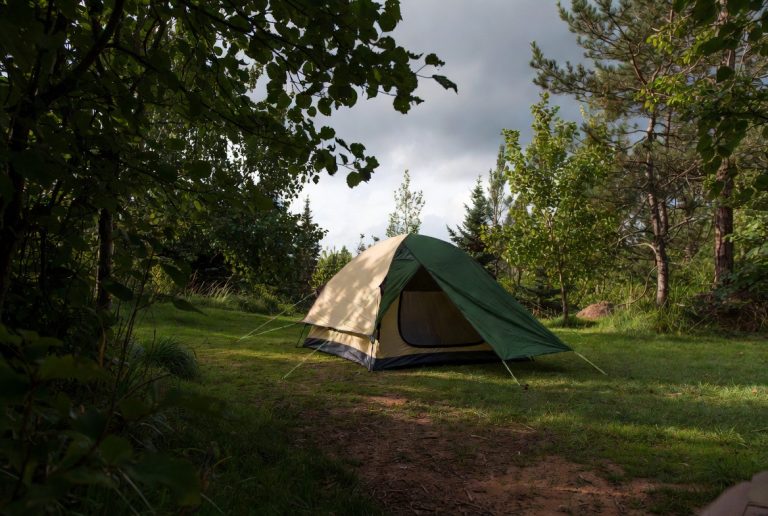
Camping tents, also known as car camping tents, prioritize comfort and space. They are designed for situations where you drive your vehicle right up to your campsite. Weight is rarely a major concern in these scenarios. You want a place that feels more like a home away from home.
Spacious Interiors for Comfort
These tents offer significantly more interior volume. You can often stand up inside them, making it much easier to change clothes or move around. Many camping tents can comfortably fit more people and their gear. This makes them ideal for families or groups of friends.
Robust and Weather-Resistant Construction
While not designed for backpacking, camping tents are still built to be sturdy. They offer excellent protection from the elements. You’ll find features like large mesh windows for ventilation and strong rainflies to keep you dry during storms. Many manufacturers focus on durability for repeated use over many seasons.
Ease of Setup at the Campsite
Camping tents are generally designed for quick and easy setup. They often have color-coded poles and clips. This makes assembly straightforward, even for beginners. You won’t spend a lot of time struggling with poles when you arrive at your site.
Heavier and Bulkier Packing
The flip side of all that extra space and comfort is weight and bulk. Camping tents are heavier and larger when packed. They are not suitable for carrying long distances. They are meant to be transported by car, truck, or RV to your designated camping spot.
Key Differences at a Glance
Let’s put it all together. Understanding these core differences will help you make the right choice for your next trip. It’s not about one being better than the other, but about finding the right tool for the job.
| Feature | Hiking Tent | Camping Tent |
|---|---|---|
| Primary Use | Backpacking, long-distance hiking | Car camping, basecamps |
| Weight | Ultralight (1-5 lbs) | Heavy (10-30+ lbs) |
| Packed Size | Very compact | Bulky |
| Interior Space | Minimal, snug fit | Spacious, stand-up room |
| Durability | High, designed for trail stress | Good, designed for campsite use |
| Setup | Can be more complex due to lightweight design | Generally very easy and quick |
Choosing the Right Tent for You
So, how do you decide? It really comes down to your planned activities. If you’re dreaming of multi-day hikes through the backcountry, a hiking tent is your best friend. Its light weight and compact size are non-negotiable.
On the other hand, if your idea of camping involves driving to a scenic spot, setting up a comfortable camp, and enjoying the surroundings without a long trek, a camping tent is the way to go. You’ll appreciate the extra room and amenities.
Consider Your Trip Type
We found that most people can identify their primary camping style fairly easily. Are you aiming for challenging trails or relaxing by a lake? Your answer dictates the type of tent you need. Think about how far you’ll be carrying your gear. If it’s more than a few hundred yards from your parking spot, weight starts to matter.
Capacity and Group Size
How many people will be sleeping in the tent? Hiking tents are typically rated for 1-2 people. Camping tents can range from 2-person models up to large 8-person or even 10-person shelters. Ensure the tent you choose has enough room for everyone comfortably, plus gear.
Tent Checklist: Making Your Final Decision
To help you narrow it down, ask yourself these quick questions:
- Will I be carrying this tent for more than a mile?
- Do I need to stand up inside my tent?
- Is weight the most important factor for my trips?
- Am I camping alone or with a group that needs more space?
- Will I be driving directly to my campsite?
- How important is having extra room for gear and moving around?
Answering these will point you clearly towards either a lightweight hiking tent or a spacious camping tent. Many experienced campers will eventually own both types to cover all their outdoor adventures. It’s about having the right tool for every job!
Conclusion
You’ve learned that the biggest differences between a hiking tent and a camping tent come down to weight and space. Hiking tents are your ultralight companions for long treks, prioritizing portability over room. Camping tents, on the other hand, offer a spacious and comfortable home base when weight isn’t a worry, perfect for car camping trips. We found that your trip’s demands—how far you’ll hike and how much space you need—are the key factors in your decision. Next time you plan an adventure, ask yourself: am I carrying this, or driving to it? This simple question will guide you to the right tent for your perfect outdoor experience.
Frequently Asked Questions
Can I use a camping tent for backpacking?
Generally, no. Camping tents are too heavy and bulky for backpacking. Carrying one for miles would be exhausting and impractical. You’d quickly regret the extra weight on your back, even for short distances.
Is a hiking tent durable enough for bad weather?
Yes, most hiking tents are built with durability in mind. They use strong, lightweight materials and robust construction to withstand wind and rain. While they might not feel as hefty as a camping tent, they are designed for trail conditions.
How much interior space do I really need in a tent?
This depends entirely on your trip. For backpacking, you might only need enough space to sleep and store your pack. For car camping, consider if you want to stand up, change clothes easily, or have room for gear inside. We found that comfort often means more space for campsite setups.
What does “tent capacity” mean?
Tent capacity refers to the number of people the tent is designed to sleep. A 2-person tent is usually snug for two adults and gear. You might want to size up, especially for camping tents, if you prefer more room to spread out.
Can I use a hiking tent for car camping?
You absolutely can! A hiking tent makes a very light and easy-to-set-up option for car camping if you don’t need much space. However, you’ll miss out on the standing room and comfort that a larger camping tent provides.

![7 Best Backpacking Tent For Cold Weather [2026]](https://leonardhomeoutdoor.com/wp-content/uploads/2026/07/7-best-backpacking-tent-for-cold-weather-2026-featured-768x432.jpg)