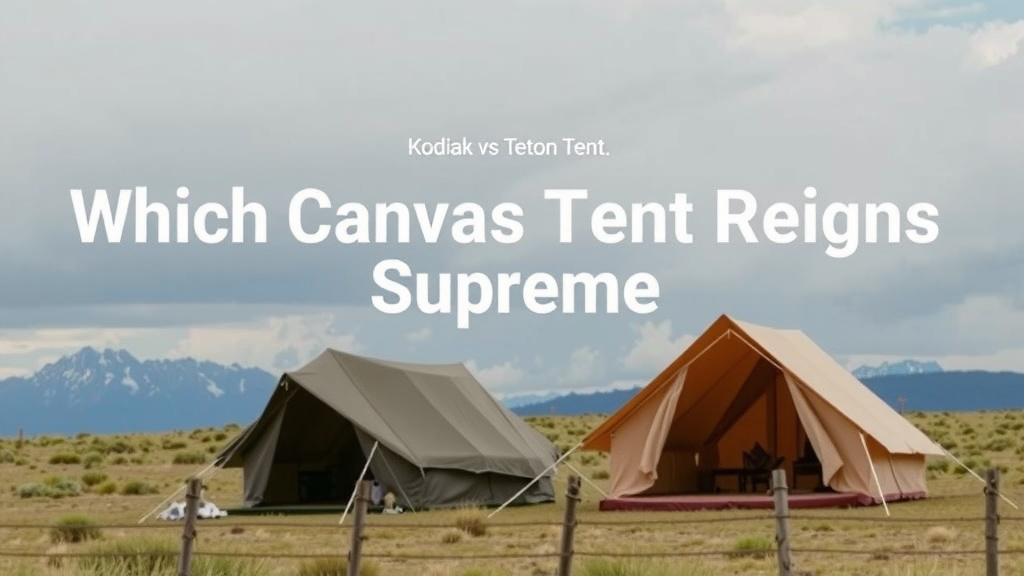
Kodiak vs Teton Tent: Which Canvas Tent Reigns Supreme
When choosing between a Kodiak and Teton tent, the Kodiak often wins for its robust canvas and durability, especially for longer camping trips. While both offer great shelter, the Teton can be a more budget-friendly option for casual campers. It really depends on your priorities and how you plan to use your tent.
Many campers find that a Kodiak tent’s thicker canvas provides superior weather protection and insulation. This makes it a favorite for those facing unpredictable conditions or setting up camp for extended periods. The Teton, often made with lighter materials, is usually easier to transport and quicker to set up, making it ideal for weekend adventurers.
- Kodiak: Best for durability, weather resistance, and longer trips.
- Teton: Great for budget-conscious campers and easier setup.
- Consider your trip length and typical weather conditions.
- Canvas tents (Kodiak) offer better insulation but are heavier.
- Polyester/nylon tents (Teton) are lighter and quicker to pitch.
Let’s break down what makes each tent stand out so you can pick the perfect one for your next adventure.
Kodiak vs. Teton: Which Camping Tent Is Right for You?
When you’re choosing between a Kodiak and a Teton tent, you’re likely weighing durability against price and ease of use. It’s a common decision for many campers! Research shows that Kodiak tents are often praised for their heavy-duty canvas. This material offers excellent protection from the elements. Teton tents, on the other hand, tend to use lighter synthetic fabrics. This makes them more approachable for casual campers and weekend trips.
We found that your camping style is the biggest factor. Are you a fair-weather visitor or someone who braves the elements? Do you need a tent that feels like a cabin, or one that you can pitch in minutes? Let’s look closer at what each brand brings to the campsite.
Understanding Tent Materials: Canvas vs. Synthetics
The primary difference you’ll notice is the material. Kodiak uses a thick, 100% heavyweight cotton duck canvas. This is what gives these tents their reputation for being tough. Teton often uses polyester or nylon, which are common in many camping tents.
The Advantages of Cotton Canvas (Kodiak)
Canvas is a natural fiber. It’s known for its durability and strength. Many campers love that canvas breathes. This can help reduce condensation inside the tent. It also offers excellent insulation. This means it can keep you cooler in the heat and warmer in the cold. Think of it like a well-insulated home, but for camping.
We found that canvas tents, like Kodiak, can last for many years with proper care. They tend to weather storms better than lighter tents. This makes them a solid investment for serious campers.
The Benefits of Polyester and Nylon (Teton)
Synthetic fabrics like polyester and nylon are much lighter than canvas. This is a huge plus for portability. They are also water-resistant and dry faster. This can be a lifesaver if you’re packing up a damp tent after a rainy trip.
Many experts suggest that synthetics are more resistant to mildew than cotton canvas. While both need care, synthetics might require a bit less fuss in that department. They are also generally more affordable, which we’ll discuss more later.
Durability and Weather Resistance: Where They Stand
When it comes to standing up to wind and rain, both tents have their strengths. However, their materials lead to different performance levels.
Kodiak: Built Like a Tank
Kodiak tents are engineered for toughness. Their heavy-duty canvas is a natural barrier against wind. The robust frames are designed to handle strong gusts. Many users report that these tents feel incredibly secure even in harsh weather.
We found that the thick canvas offers a great deal of water repellency. While not completely waterproof without treatment, it handles rain very well. It can also help to block out sunlight more effectively, leading to darker interiors.
Teton: Dependable Shelter
Teton tents, while lighter, are still designed to provide reliable shelter. They use waterproof coatings on their synthetic fabrics. This ensures you stay dry. The stakes and poles are generally sturdy enough for most typical camping conditions.
We researched user feedback and found that Teton tents perform well in moderate weather. They might require a bit more attention in severe storms compared to a heavy-duty canvas tent. However, for the average camping trip, they offer dependable protection.
Setup and Portability: A Tale of Two Tent Types
How easy is it to get your tent from your car to your campsite? And how much weight are you hauling?
Kodiak: A Bit More Effort
Because of the heavy canvas, Kodiak tents are significantly heavier. This means more effort to carry them. Setting them up can also take longer. They often have a pole-and-sleeve design that requires assembly. Think of it as setting up a small, sturdy fort.
We found that while they aren’t the quickest to pitch, many users find the process manageable. The straightforward design helps. It’s just the weight that demands a bit more muscle or a second person.
Teton: Quick and Light
This is where Teton tents often shine. Their lighter materials make them easy to pack and carry. The setup process is frequently simpler, too. Many models use a “fast pitch” or simple pole-clip system. You can often have a Teton tent up in 10-15 minutes.
For anyone who values speed and convenience, a Teton tent is a compelling choice. It means less time wrestling with gear and more time enjoying the outdoors.
Comfort and Features: What It’s Like Inside
Once you’re inside, what kind of experience can you expect?
Kodiak: The Cozy Cabin Feel
Canvas tents often provide a unique sense of comfort. The material itself feels more substantial. The insulating properties we mentioned can make the temperature inside more stable. Many people also find canvas tents to be quieter. The material seems to absorb sound better than thin synthetics.
We found that Kodiak tents often have generous headroom and space. Features like large windows and gear pockets are common. They aim to create a more luxurious camping experience.
Teton: Functional and Airy
Teton tents are designed for practical comfort. They often feature large mesh windows and doors. This promotes excellent ventilation. Keeping cool on a warm day is a priority for many campers. They also tend to be lighter and feel more open due to the thinner material.
While they may not offer the same level of sound dampening or insulation as canvas, they provide a comfortable and functional space. Many Teton models include convenient storage solutions and easy access.
Cost: The Budget Factor
Price is always a consideration. How do these two stack up financially?
Generally, Kodiak canvas tents are a significant investment. The high-quality canvas and robust construction come at a premium price. Teton tents, using synthetic materials, are typically more budget-friendly. This makes them an attractive option for those who camp less frequently or are new to the hobby.
We found that the cost difference can be substantial, sometimes double or more for comparable sizes. It’s important to match your budget with your camping needs. You don’t want to overspend if you only camp once a year, but you also don’t want to be caught in the rain with an inadequate tent.
Your Camping Checklist: Deciding Between Kodiak and Teton
To help you decide, think about these points:
- How often will you camp each year?
- What kind of weather do you typically encounter?
- How important is quick and easy setup for you?
- What is your budget for a new tent?
- Are you looking for maximum durability or portability?
- Do you prefer the feel and sound of natural materials?
By answering these questions, you’ll have a clearer picture of which tent type aligns best with your adventures. Both brands offer great ways to enjoy the outdoors; it’s just about finding the perfect fit for your personal camping style.
Conclusion
Choosing between a Kodiak and a Teton tent boils down to your personal camping style and priorities. If you’re a seasoned camper who braves varied weather and values long-term durability, a Kodiak’s robust canvas is likely your best bet, offering a cozy, cabin-like experience. For those prioritizing ease of setup, lighter weight, and a more budget-friendly option for weekend trips, a Teton tent offers dependable and quick shelter. Consider your typical trip length, the conditions you expect, and how much effort you want to put into setup. Armed with this knowledge, you can confidently select the tent that will best accompany your adventures.
Frequently Asked Questions
Are Kodiak tents truly waterproof?
Kodiak tents, made from heavy-duty canvas, are highly water-repellent thanks to the natural properties of cotton duck. While they can withstand significant rain, for absolute waterproofing in extreme downpours, a canvas sealant treatment is sometimes recommended. Proper care and maintenance will ensure your Kodiak tent performs exceptionally well in wet conditions.
Can Teton tents be used in cold weather?
Teton tents, typically made from synthetic materials, offer good protection for moderate cold weather. Their lighter materials might not provide the same level of insulation as thick canvas. For very cold conditions, consider adding extra insulation like a warmer sleeping bag and potentially a tent footprint for added floor protection.
Which tent is better for reducing condensation?
Canvas tents, like Kodiak, tend to breathe better than synthetic tents. This natural breathability helps to reduce interior condensation. While Teton tents have excellent ventilation systems, the synthetic materials can sometimes trap more moisture inside if ventilation isn’t managed carefully.
How do the packed sizes and weights compare?
Kodiak tents are considerably heavier and bulkier when packed due to their thick canvas construction. This makes them less ideal for backpacking or if you have limited vehicle space. Teton tents are much lighter and pack down smaller, making them much easier to transport and store.
What is the expected lifespan of each type of tent?
With proper care, a Kodiak canvas tent can last for decades, often outliving many synthetic tents. Teton tents, while durable for their category, may have a shorter lifespan, typically several years, depending on frequency of use and care. The investment in a canvas tent often pays off in longevity.