Roof Tent vs Ground Tent: Which Camping Setup Is Best
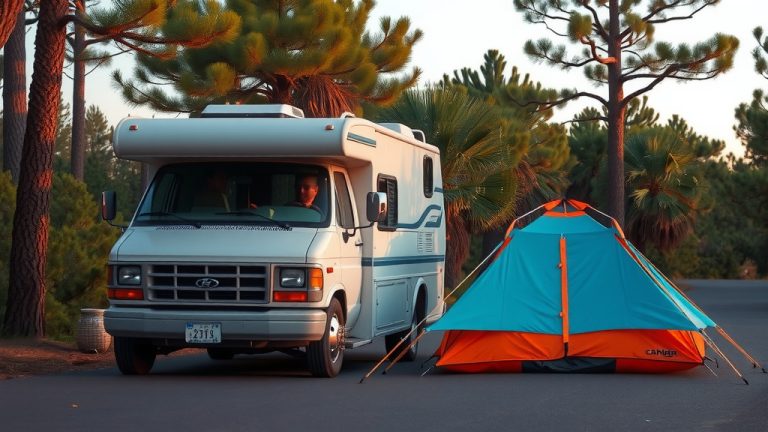
Deciding between a roof tent vs ground tent depends on your camping style and priorities. While a ground tent is generally more affordable, a roof tent offers superior comfort and protection from the elements and critters. We found that the best choice hinges on your need for convenience versus budget.
Your camping trip deserves the right shelter. A ground tent has been the camping staple for decades. But roof tents are gaining popularity for good reason. They can transform your vehicle into a mobile basecamp, offering a unique way to experience the outdoors. Think about your typical camping adventure before you decide.
- Roof tents are pricier but offer great comfort and quick setup.
- Ground tents are budget-friendly and versatile for different terrains.
- Consider your travel style and need for convenience.
- Roof tents get you off the ground, away from bugs and water.
Let’s break down the key differences to help you find your perfect camping companion.
Comparing Roof Tents and Ground Tents for Your Adventures
Choosing between a roof tent and a ground tent boils down to what you want most from your camping experience. Both have their strengths, but they cater to different needs. We’ve researched the key differences to help you decide.
Setting Up Camp: Speed and Ease
One of the biggest differences you’ll notice is how quickly you can get your shelter ready. This is where roof tents often shine.
Roof Tent Setup
Roof tents are designed for speed and convenience. Most models can be set up in just a few minutes. You basically unfold them. This means less time wrestling with poles and stakes. You can be relaxing or cooking dinner sooner. This is a huge plus after a long day of driving or hiking.
Ground Tent Setup
Setting up a ground tent can take a bit longer. It usually involves assembling poles and fitting them through sleeves or clips. Then you stake it down. The complexity varies by tent size and design. A simple dome tent might take 10-15 minutes. A larger, multi-room tent could take 30 minutes or more. Practice makes perfect here, of course.
Comfort and Sleeping Experience
Your sleeping comfort is a major factor. How well you sleep directly impacts your enjoyment of the outdoors.
The Roof Tent Advantage
Roof tents often come with a built-in, comfortable mattress. This eliminates the need for bulky sleeping pads or air mattresses. You’re also elevated off the ground. This keeps you away from rocks, roots, and uneven surfaces. Many users report a much better night’s sleep in a roof tent.
Ground Tent Sleeping
With a ground tent, you’ll need to bring your own sleeping gear. This includes a sleeping pad, air mattress, or cot. The comfort level depends entirely on your choices and how well you set up your sleeping area. While comfortable sleeping is possible, it requires more effort and gear.
Protection from the Elements and Critters
Staying dry, warm, and bug-free is essential for a good camping trip.
Staying Safe in a Roof Tent
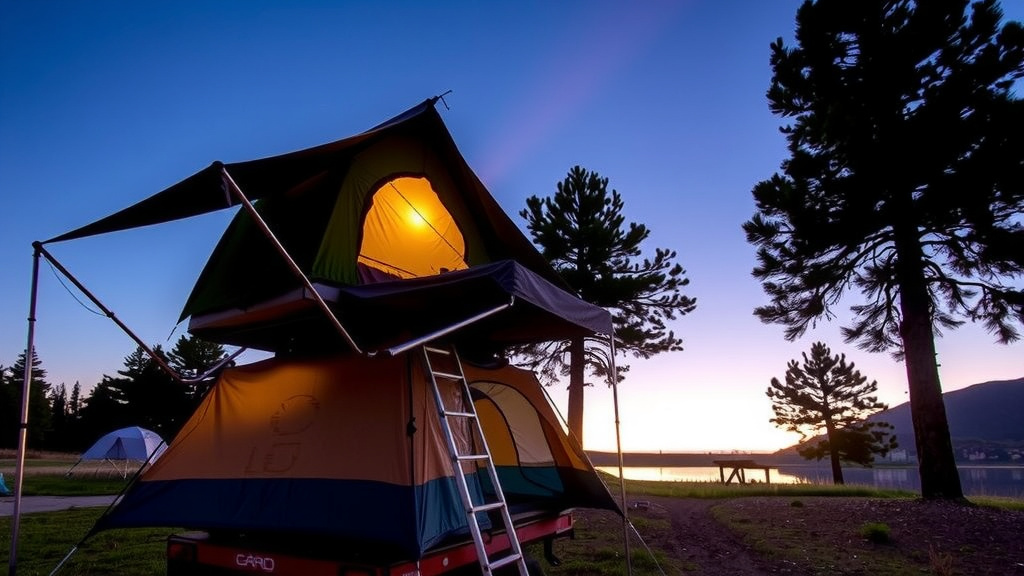
Being off the ground offers a natural barrier against small critters like snakes, spiders, and ants. Rain is also less of a concern. Most roof tents are made from waterproof materials and have sturdy construction. You are less likely to experience leaks or wind issues. The hard shell or fabric cover often provides good insulation too.
Ground Tent Defenses
Ground tents offer protection, but you might need to be more strategic. Most have rainflies for waterproofing. Proper staking and guy lines are important to withstand wind. You’ll also want to ensure your tent has good mesh windows for ventilation, which also keep insects out. However, you’re still at ground level, so you might encounter more bugs or small animals near your tent.
Space and Living Area
Think about how much room you need inside and around your shelter.
Roof Tent Space
Roof tents are primarily sleeping spaces. While some are roomy enough to sit up in, they don’t usually offer much of a “living room” area. You’ll likely spend more time around your vehicle or campfire for lounging. Some models do have annexes you can attach for extra space, though.
Ground Tent Versatility
Ground tents come in all shapes and sizes. You can find models with separate rooms, large vestibules for gear storage, and plenty of headroom. This makes them great for longer trips or if you want a dedicated space for cooking, playing games, or storing all your gear. Ground tents come in all shapes and sizes, offering more flexibility than roof tents.
Where You Can Camp
The type of tent you choose can impact where you can set up camp.
Roof Tent Location Needs
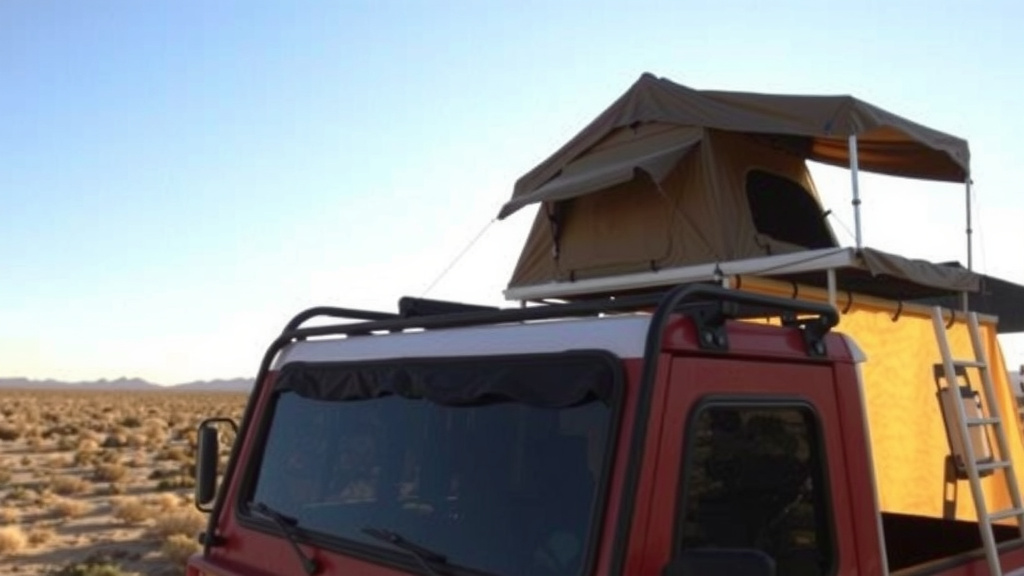
Roof tents require a level surface and sufficient space to open up. You need to be able to park your vehicle securely. This means established campsites or sturdy, flat pull-offs are best. You can’t set up a roof tent on a steep slope or in a tight, uneven spot.
Ground Tent Flexibility
Ground tents are much more flexible. You can pitch them on a variety of surfaces, from sandy beaches to forest floors. As long as you can find a reasonably flat spot, a ground tent will work. This gives you more freedom to explore and camp in more remote locations.
Cost and Investment
Let’s talk about your wallet.
Roof Tent Pricing
Roof tents are generally a significant investment. They can range from $1,000 to $4,000 or more. This price includes the tent itself, but you also need a vehicle with roof rails or a rack system that can support the weight. Consider this a long-term investment for frequent campers.
Ground Tent Affordability
Ground tents are far more budget-friendly. You can find decent, reliable ground tents for anywhere from $50 to $500. Even high-end, large family tents rarely exceed $1,000. This makes them accessible for casual campers and those just starting out.
Key Considerations Checklist
Here’s a quick rundown to help you weigh your options:
- Budget: How much are you willing to spend?
- Setup Time: Do you value speed and ease?
- Comfort: How important is a built-in mattress and level sleeping surface?
- Protection: Do you want to be off the ground and away from bugs?
- Vehicle: Do you have a vehicle capable of mounting a roof tent?
- Camping Style: Do you move camp often or stay put?
| Feature | Roof Tent | Ground Tent |
|---|---|---|
| Setup Speed | Very Fast (minutes) | Moderate (10-30+ minutes) |
| Comfort | High (built-in mattress) | Variable (depends on gear) |
| Ground Clearance | High (off the ground) | None (on the ground) |
| Cost | High ($1,000+) | Low ($50 – $500+) |
| Portability | Fixed to vehicle | Can be set up anywhere |
Conclusion
You now have a clearer picture of roof tent versus ground tent camping. A roof tent offers unmatched setup speed and off-the-ground comfort, ideal for adventurers who prioritize convenience and elevation. Ground tents remain the versatile, budget-friendly choice for various terrains and longer stays. We found that your decision hinges on balancing convenience, cost, and your specific camping adventures. Consider your typical trips, gear needs, and budget to make the choice that best fits your outdoor lifestyle. Your perfect shelter is waiting!
Frequently Asked Questions
Can I put a roof tent on any car?
Generally, you need a vehicle with a sturdy roof rack or crossbars rated to support the weight of the roof tent. Most SUVs, trucks, and some cars can accommodate them, but it’s vital to check your vehicle’s weight capacity and the tent’s specifications. Always ensure your mounting system is secure before travel.
Are roof tents difficult to install on a car?
Installing a roof tent can be a two-person job due to its weight and size. You’ll typically mount the tent onto your vehicle’s existing roof rack system. The process involves securing it with brackets. Once installed, it stays on your vehicle, but removal for maintenance or storage can be challenging.
How much does a roof tent actually weigh?
Roof tents vary in weight, but most range from 100 to 200 pounds. This weight includes the tent structure and the mattress. Always factor this weight into your vehicle’s roof load capacity, as you’ll also be adding people and gear inside.
Are ground tents still a good option for bugs and rain?
Yes, ground tents provide good protection against bugs and rain when properly set up. High-quality ground tents feature mesh screens for ventilation and rainflies that cover the tent body. Ensuring all seams are sealed and staking down your tent securely are key to staying dry and bug-free.
Which type of tent is better for car camping in established campgrounds?
Both are great for established campgrounds, but your choice depends on your priorities. Roof tents offer quick setup and an elevated sleeping experience, perfect if you move camp often or value convenience. Ground tents provide more living space and are ideal if you plan to set up camp for several days and want room to spread out.