
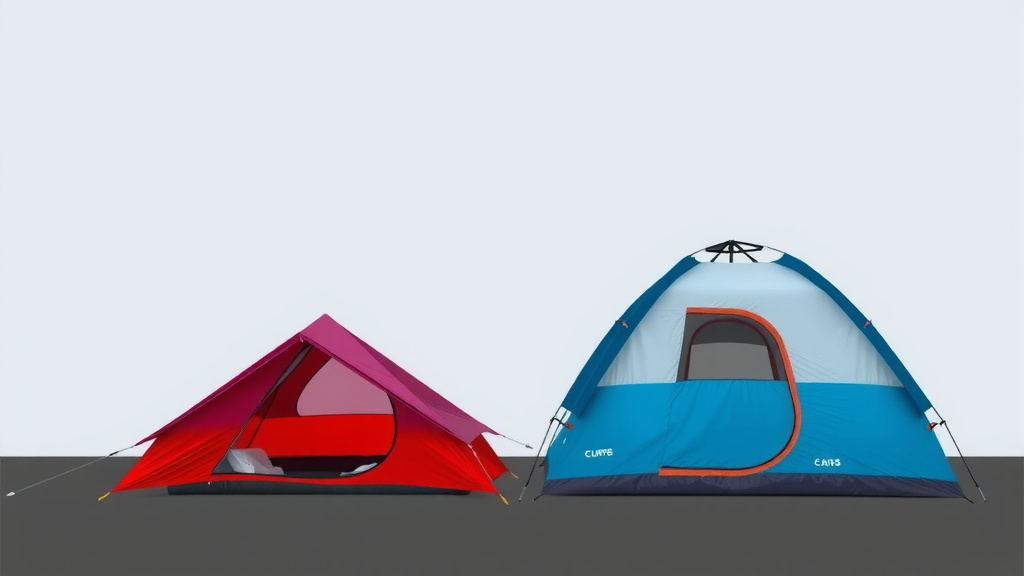
Tent vs Pop-Up: Which Camping Setup is Right for You
When choosing between a tent versus pop-up tent, consider your priorities: speed and ease versus durability and customization. Pop-up tents offer instant setup, perfect for casual events or short trips. Traditional tents provide better weather protection and more space for longer camping adventures. Your best choice depends on your specific camping style and needs.
We’ve researched both types to help you decide. Pop-up tents are often lighter and quicker to deploy, making them ideal for beginners or those who value minimal setup time. Traditional tents, while requiring more effort to pitch, generally offer superior strength against wind and rain. They also come in a wider variety of sizes and designs for different group needs.
- Pop-up tents win for quick setup.
- Traditional tents are better for durability and weather.
- Consider your trip length and weather.
- Think about how much space you need.
Let’s dive into the key differences and help you figure out which one is your perfect camping companion.
So, you’re ready to hit the great outdoors, but the gear is where things get a little fuzzy. The age-old question looms: tent or pop-up tent? It’s not just about shade; it’s about how you camp. Let’s break down what each type brings to your campsite so you can make the best choice for your next adventure.
Choosing Your Campsite Shelter: Tent vs. Instant Setup
Your camping style dictates the perfect shelter. Are you an experienced backpacker or a weekend warrior who loves festivals? This choice really matters.
The Traditional Tent: Your Reliable Home Away From Home
Think of a traditional tent as your camping workhorse. It’s built for the long haul and a variety of conditions. These are the tents you likely picture when you think of camping.
Setup Effort and Time
Setting up a traditional tent usually involves poles, stakes, and a bit of know-how. You’ll often have a rainfly to attach. Many campers find it’s a skill that gets easier with practice. We found that for a standard dome tent, setup can take anywhere from 10 to 30 minutes. It’s a good time to get organized at your campsite. It’s also a chance to appreciate the structure taking shape.
Durability and Weather Resistance
Traditional tents are generally designed with stronger materials. Their frames are often more robust, meaning they can handle tougher weather. Many are made with ripstop nylon or polyester, which resist tearing. We found that good quality traditional tents offer excellent protection against wind and rain. Their sturdy construction helps keep you dry and secure. Many guidelines suggest that well-maintained traditional tents can last for many years of regular use.
Space and Versatility
When it comes to size, traditional tents win for variety. You can find everything from a cozy two-person model to a massive cabin tent that sleeps ten. Need extra storage space or standing room? You can find a tent for that. This makes them perfect for families or groups. They are great for longer camping trips where you might spend more time inside your shelter.
The Pop-Up Tent: Speed and Simplicity
Pop-up tents, also known as instant tents, are all about making your life easier. They live up to their name by setting up in a flash.
Unmatched Setup Speed
This is where pop-up tents truly shine. Many are designed to spring into shape almost on their own. You simply unfold them, and they’re ready. We found that some models can be set up in under a minute. This is a huge advantage if you’re arriving at a campsite late or just want to relax faster. It’s a modern convenience that appeals to many campers. For those who value speed, our guide to person instant tents covers models set up in under a minute.
Portability and Ease of Use
Pop-up tents are typically lighter and more compact when packed. They often come in a circular carrying case. This makes them easy to transport, even if you have a lot of other gear. For beginners or those who don’t want to fuss with poles, pop-up tents are an excellent entry point into camping. They reduce the initial barrier to getting outdoors.
Limitations to Consider
While the speed is fantastic, pop-up tents sometimes have trade-offs. We found that their frame systems, while easy, can be less robust than traditional tents. This might mean they aren’t the best choice for very windy conditions or heavy rain. Also, while sizes are improving, they may offer slightly less headroom or specialized features compared to some traditional models. Ventilation can also be a concern in some designs.
Comparing Key Features Side-by-Side
Let’s look at how these two types stack up across important camping factors.
| Feature | Traditional Tent | Pop-Up Tent |
|---|---|---|
| Setup Time | 10-30 minutes (can vary) | 1-5 minutes (often automatic) |
| Durability | Generally higher, better in harsh weather | Can be less durable, best in mild weather |
| Portability | Varies widely by size and material | Often lighter and more compact when packed |
| Space Options | Wide range of sizes and configurations | Good variety, but may have fewer specialized designs |
| Cost | Wide range, can be very affordable or expensive | Often mid-range, good value for ease |
| Ideal For | Longer trips, varied weather, families, serious campers | Festivals, short trips, beginners, quick setup needs |
Which One Is Right for Your Camping Style?
To help you decide, think about these questions:
- How often do you plan to camp?
- What kind of weather do you typically expect?
- Who will be camping with you?
- How much time are you willing to spend setting up?
- What’s your budget for camping gear?
For instance, if you’re planning a week-long trip in the mountains with unpredictable weather, a sturdy traditional tent might be your best bet. On the other hand, if you’re heading to a music festival for a weekend and want to spend more time enjoying the event than pitching a tent, a pop-up is a clear winner. Many experts suggest matching your shelter to the specific demands of your trip.
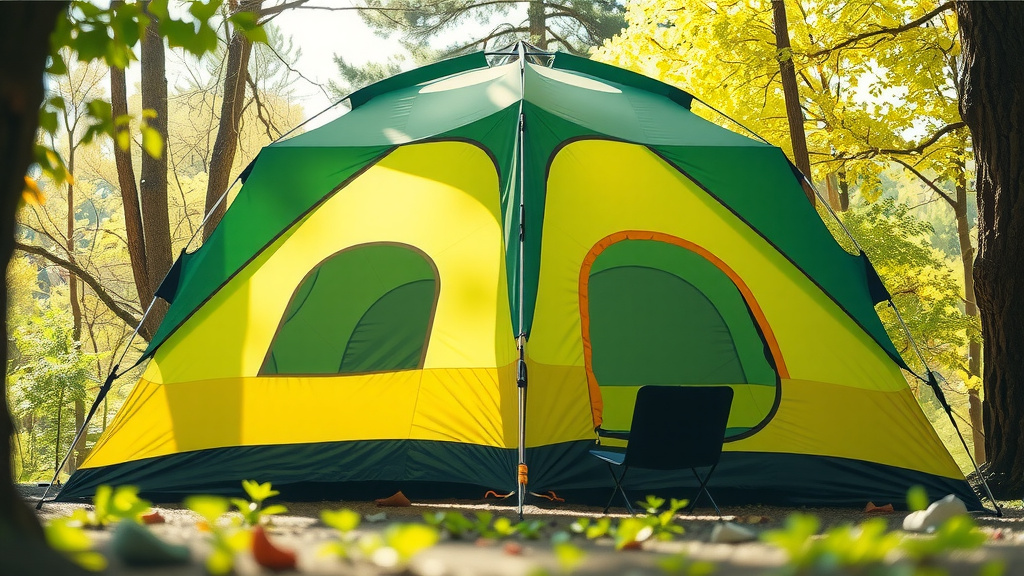
A Quick Checklist for Your Decision
Before you click “add to cart,” run through this quick list:
- Prioritize speed? Go pop-up.
- Need ruggedness? Choose traditional.
- Long trips ahead? Traditional is likely better.
- First-time camper? Pop-up offers simplicity.
- Space for the whole crew? Check traditional sizes.
- Budget-conscious but need easy setup? Pop-ups offer great value.
Conclusion
Choosing between a traditional tent and a pop-up tent boils down to your camping priorities. If speed and ease are your main concerns, a pop-up tent will get you set up in minutes, perfect for festivals or short, relaxed trips. However, for adventurers who face unpredictable weather or plan longer excursions, the durability and weather resistance of a traditional tent offer superior protection and longevity. Consider how you camp, where you camp, and what you expect from your shelter. Your next great adventure awaits, so make the choice that best fits your style and hit the road!
Frequently Asked Questions
Are pop-up tents really as easy to set up as advertised?
Yes, most pop-up tents are designed for extremely fast setup. We found many models can be ready in under five minutes, often by simply unfolding them. This makes them a fantastic option if you want to start relaxing right away.
Can a pop-up tent withstand strong winds and rain?
While pop-up tents are convenient, they may not hold up as well in severe weather compared to traditional tents. Their frames can be less robust, so they are generally best suited for mild conditions. Always check manufacturer ratings and consider traditional tents for challenging environments.
Which type of tent is better for families with young children?
For families, a traditional tent often provides more space and stability, which can be crucial with kids. Many traditional tents offer separate rooms or large living areas, ideal for comfort during longer stays. While some larger pop-ups exist, traditional models tend to offer more versatility for family camping.
How much more do pop-up tents typically cost compared to traditional tents?
The cost can vary widely for both types. Generally, pop-up tents offer good value for their convenience, often falling in a mid-range price point. Traditional tents can range from very affordable basic models to high-end, expedition-ready options.
What is the lifespan of a pop-up tent versus a traditional tent?
With proper care, a well-maintained traditional tent can last for many years, even decades. Pop-up tents, due to their more complex instant-setup mechanisms, might have a slightly shorter lifespan if frequently used in harsh conditions or if the frame parts experience wear and tear.
![7 Best Large Tent For Camping [2026]](https://leonardhomeoutdoor.com/wp-content/uploads/2026/08/7-best-large-tent-for-camping-2026-featured-768x432.jpg)
![7 Best Hard Shell Rooftop Tents [2026]](https://leonardhomeoutdoor.com/wp-content/uploads/2026/08/7-best-hard-shell-rooftop-tents-2026-featured-768x432.jpg)
![7 Person Lightweight Tent [2026]](https://leonardhomeoutdoor.com/wp-content/uploads/2026/08/7-person-lightweight-tent-2026-featured-768x432.jpg)