Tent vs Rooftop Tent: Which Camping Option is Right
Choosing between a traditional tent and a rooftop tent depends on your camping style and priorities. A rooftop tent offers faster setup and sleeping above the ground, while a standard tent is typically more affordable and versatile for different terrains. We found that many campers prefer rooftop tents for quick overnight stops.
Your decision hinges on factors like budget, the type of vehicle you own, and how much gear you carry. Rooftop tents are great for convenience, but they come with a higher price tag and vehicle limitations. A classic tent provides more flexibility for dispersed camping and can be pitched almost anywhere.
- Rooftop tents: Quick setup, elevated sleeping, higher cost.
- Traditional tents: Affordable, versatile placement, slower setup.
- Consider your budget and vehicle type.
- Think about where you plan to camp most often.
Let’s break down the key differences to help you decide which camping solution is right for your next adventure.
Choosing Your Camping Shelter: Tent vs. Rooftop Tent
Deciding between a traditional tent and a rooftop tent is a big step. Your choice will shape your camping experience. We’ve looked at both to help you figure out which is best for your trips. Think about how you like to travel and what makes camping enjoyable for you. This guide will break down the pros and cons of each to make your decision easier.
Understanding the Basics: What’s the Difference?
The Classic Tent: Your Familiar Friend
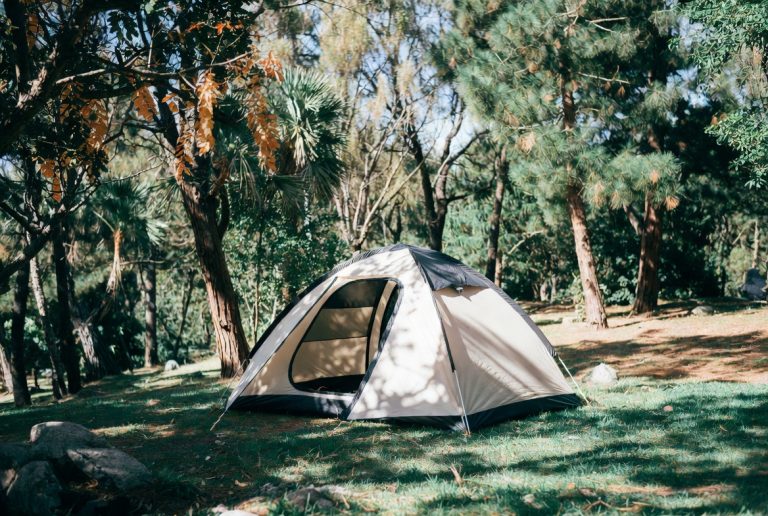
A traditional tent is what most people picture when they think of camping. It’s a portable shelter that you set up on the ground. You can find them in all sorts of sizes, from small one-person tents to large family structures. They are a dependable option for many types of outdoor adventures. We’ve all likely used one at some point.
The Rooftop Tent: Camping Elevated
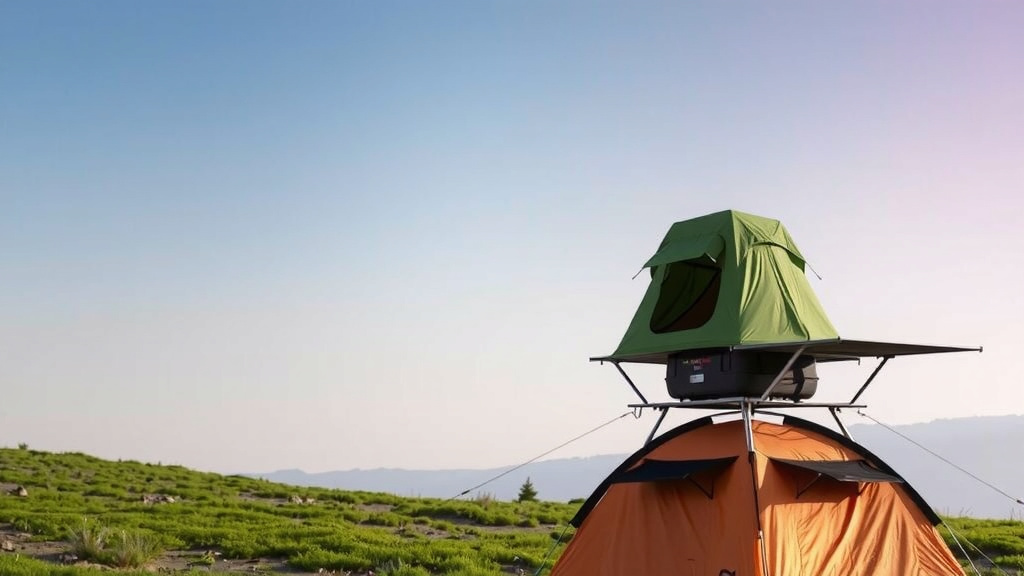
A rooftop tent is a bit different. It’s a tent that attaches to the roof rack of your vehicle. It folds out to create a sleeping space elevated off the ground. Think of it as a bed on wheels. Many people love them for their quick setup and the feeling of being up high. We found that this elevation is a big draw for many campers.
Speed and Convenience: Setting Up Camp
Traditional Tent Setup: Takes a Little Time
Setting up a classic tent usually involves unfolding it and then putting poles through sleeves or clips. You then stake it down to secure it. It’s a process that takes some practice and effort. Depending on the tent and the weather, it might take 10 to 30 minutes. We’ve all struggled with poles on a windy day, right?
Rooftop Tent Setup: Almost Instant
Rooftop tents are known for their speed. Once mounted on your vehicle, you typically just unlatch a few buckles and give it a gentle push. The tent often pops open on its own or with a little help from a ladder. Many can be set up in under five minutes. This quick deployment is a major benefit for those who arrive late or want to maximize daylight hours. We found this speed to be a significant advantage.
Location, Location, Location: Where You Can Camp
Traditional Tent Versatility
One of the biggest advantages of a standard tent is its flexibility. You can pitch it almost anywhere there’s relatively flat ground. This includes established campgrounds, national parks, and dispersed camping areas. If you enjoy backpacking or finding a secluded spot away from roads, a ground tent is your best bet. We found that this freedom to camp in diverse spots is unmatched.
Rooftop Tent Limitations
Rooftop tents require a vehicle with a sturdy roof rack system. They also need a fairly level surface to park on. You can’t easily set one up on a steep incline or in a place where parking is prohibited. While they are great for established campsites or designated overland routes, they limit your options for primitive camping. Many experts point to proper vehicle setup as a prerequisite (Overlanding Association).
Comfort and Sleeping Experience
Ground Tent Comfort Factors
The comfort of a ground tent depends on the tent itself and the ground beneath it. You might need an air mattress or sleeping pad to cushion the ground. The floor can sometimes feel hard or uneven. Bugs and moisture can also be concerns. However, many modern tents offer good ventilation and plenty of space. We found that a good sleeping pad can make a big difference.
Rooftop Tent Advantages
Rooftop tents generally offer a more comfortable sleeping experience. You’re sleeping on a comfortable mattress, elevated away from rocks, roots, and crawling critters. This also means you’re less likely to be bothered by moisture or cold air near the ground. The views from a rooftop tent can also be spectacular. Many users report better sleep due to the stable and comfortable surface. We found that sleeping above the elements is a major plus.
Cost and Vehicle Considerations
The Price of a Traditional Tent
Traditional tents are generally much more affordable. You can buy a decent quality tent for a couple of hundred dollars. Even larger family-sized tents are often less expensive than a basic rooftop tent. This makes them an excellent choice for budget-conscious campers or those just starting out. We found that the initial investment is much lower.
The Investment in a Rooftop Tent
Rooftop tents are a significant investment. Prices can range from around $1,000 for a basic model to $4,000 or more for premium options with all the bells and whistles. You also need to ensure your vehicle can support the weight of the tent, which might require an upgraded roof rack or crossbars. This makes the total cost higher than just the tent itself. Many guides suggest checking your vehicle’s weight capacity before purchasing (Automotive Safety Council).
Gear and Storage
Traditional Tent Storage
When not in use, traditional tents can be folded and stored in their bags. They usually fit in a garage, closet, or even the trunk of your car. During camping, you can keep them in your vehicle or under a tarp if needed. They are generally easy to manage when it comes to storage.
Rooftop Tent Storage
A rooftop tent is permanently mounted on your vehicle. While it folds down, it still adds height and weight to your car. This can affect fuel efficiency and may make it difficult to park in garages or under low clearance areas. You also can’t just “take it off” easily for daily use. We found that this constant presence is something to consider.
Making Your Choice: A Quick Checklist
To help you decide, ask yourself these questions:
- Do you want the fastest possible setup?
- Is your budget a primary concern?
- Do you need to camp in very remote, off-road locations?
- Does your vehicle have a strong enough roof rack system?
- How much space do you need for gear and sleeping?
- Are you looking for an elevated sleeping experience?
Conclusion
You’ve learned that the choice between a traditional tent and a rooftop tent really comes down to your personal camping style and what matters most to you. If speed, convenience, and sleeping elevated are your top priorities and your budget and vehicle allow, a rooftop tent might be your perfect match. However, if you value affordability, the freedom to camp almost anywhere, and a simpler setup for occasional trips, a classic ground tent remains a fantastic and versatile option. Take a moment to revisit your camping priorities and consider your upcoming trips. Your next adventure awaits, and the right shelter will make it even better!
Frequently Asked Questions
Are rooftop tents worth the extra cost compared to regular tents?
Rooftop tents are definitely a bigger investment, often costing several times more than a good quality ground tent. We found that their worth depends on how much you value the quick setup, elevated sleeping, and bug-free experience they offer. If you camp frequently and prioritize those features, the cost might be justified for you.
Can I use a rooftop tent on any vehicle?
Not quite. Your vehicle needs a sturdy roof rack system or crossbars that can support the weight of the rooftop tent when it’s both closed and open. We found that many smaller cars or those with weak roof racks aren’t suitable. Always check your vehicle’s weight capacity before purchasing a rooftop tent.
Is setting up a rooftop tent difficult for beginners?
Most users report that rooftop tent setup is surprisingly easy and much faster than a ground tent. Once mounted, it usually involves unlatching a few clasps and a gentle push to open. We found that the learning curve is minimal, making them great for those who want to start camping quickly.
What happens if I want to go backpacking and don’t have my vehicle?
A traditional ground tent is the clear winner here. Rooftop tents are permanently mounted and add significant weight and bulk to your vehicle. If you plan on activities that require you to leave your vehicle behind, like hiking or backpacking, you’ll need a separate, lightweight ground tent.
Do rooftop tents offer more protection from the weather?
While both can offer good weather protection, rooftop tents often provide an advantage. Sleeping above the ground means you’re less exposed to dew, ground moisture, and some wind. We found that many models are built with durable, waterproof fabrics that hold up well in rain and wind, offering a cozy refuge.
![7 Best Tent For 6 People [2026]](https://leonardhomeoutdoor.com/wp-content/uploads/2026/09/7-best-tent-for-6-people-2026-featured-768x432.jpg)
![7 Best Bell Tent To Buy [2026]](https://leonardhomeoutdoor.com/wp-content/uploads/2026/08/7-best-bell-tent-to-buy-2026-featured-768x432.jpg)
![7 Best Ground Tent [2026]](https://leonardhomeoutdoor.com/wp-content/uploads/2026/08/7-best-ground-tent-2026-featured-768x432.jpg)