
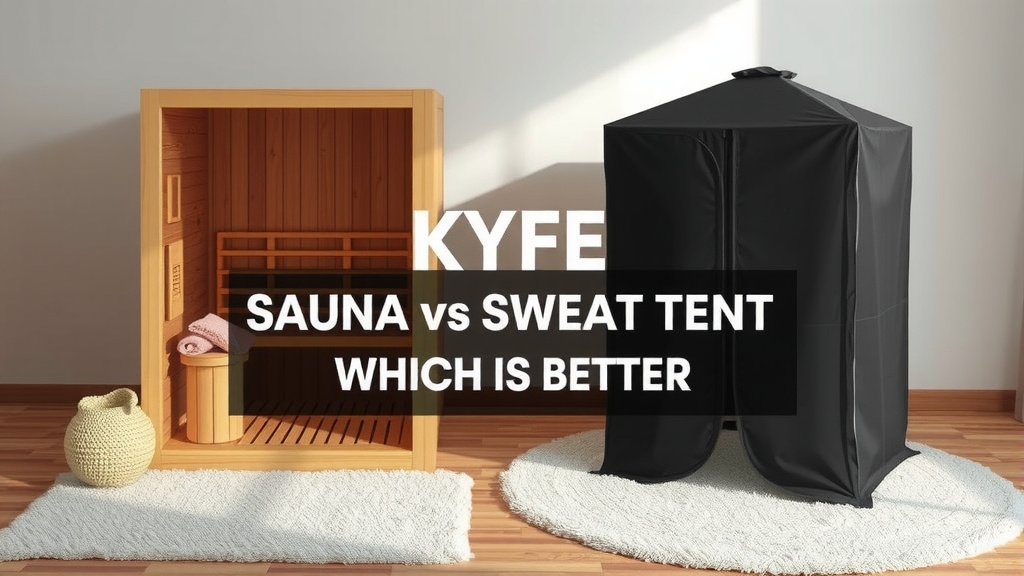
Kyfe Sauna vs Sweat Tent: Which Is Better
Choosing between a Kyfo sauna and a sweat tent often comes down to portability and ease of setup. While both aim to help you sweat, Kyfo saunas offer a more integrated experience with built-in heating elements. Sweat tents, on the other hand, usually rely on external heat sources like infrared emitters, making them potentially more versatile for different setups.
Both options provide a way to enjoy a sauna experience at home. You might be looking for a way to relax, detoxify, or improve your fitness routine. We’ve researched how these two popular home sauna choices stack up. Understanding the key differences can help you make the best choice for your needs.
- Kyfo saunas have integrated heating.
- Sweat tents need separate heat sources.
- Portability varies between models.
- Setup ease is a key factor.
- Both can help you achieve a good sweat.
Let’s break down the differences between a Kyfo sauna and a sweat tent so you can figure out which one is the perfect fit for your home wellness routine.
So, you’re looking to bring the heat and reap the benefits of a sauna right in your own home? That’s fantastic! You’ve likely seen options like Kyfo saunas and sweat tents and wondered how they stack up. Let’s dive into what makes each one tick and help you figure out which one will be your new favorite wellness buddy.
Comparing Home Sauna Solutions: Kyfo vs. Sweat Tent
Deciding between a Kyfo sauna and a sweat tent mainly comes down to how you envision using it. We found that Kyfo saunas often come as a complete package. Sweat tents usually require you to add your own heat source.
Understanding the Core Differences
Think of a Kyfo sauna as a self-contained unit. It typically includes the structure and the heating elements all built-in. A sweat tent, on the other hand, is more like a portable enclosure. You then add an external heater, often an infrared emitter, to create the heat.
Heating Mechanisms at Play
Kyfo saunas usually use either traditional steam heating or infrared heating panels. These are integrated directly into the sauna’s design. Many users appreciate this integrated approach for its simplicity. It means you plug it in, and it’s ready to go.
Sweat tents, however, rely on external infrared emitters. You set up the tent and then position the emitter inside. We found that this setup can offer flexibility. You might be able to swap out emitters or adjust their placement. This could allow for different heat intensities.
Portability and Setup Ease
Portability is a big factor for many people. Some Kyfo saunas are designed to be relatively easy to move. Others are more permanent fixtures. It really depends on the model you choose. We recommend checking the weight and assembly instructions carefully.
Sweat tents often win in the portability department. They are typically lightweight and fold down quite small. Setting them up is usually quick, sometimes just a matter of unfolding. This makes them great if you have limited space or want to use your sauna in different locations around your home.
The Kyfo Sauna Experience
When you step into a Kyfo sauna, you’re usually entering a dedicated space. It’s designed for a full sauna experience. You’ll find features like comfortable seating and good insulation. The heating system is built right in, so you don’t have to fiddle with separate components.
Integrated Heating and Controls
The heating elements are part of the sauna’s structure. This often leads to more consistent and even heating. You’ll find user-friendly control panels. These let you adjust the temperature and sometimes the timer. It’s a very straightforward process. Many users report this ease of use as a major plus.
Space Requirements and Installation
Kyfo saunas can vary greatly in size. Some are compact, designed for one person. Others are larger, accommodating two or more people. You’ll need to consider the floor space and ceiling height. Installation might involve connecting a few parts or simply plugging it into a standard electrical outlet, depending on the model.
The Sweat Tent Approach
A sweat tent offers a more flexible solution. It’s essentially a fabric enclosure that traps heat. The magic happens when you add your external heat source. This makes it a good option for those who want versatility.
How Sweat Tents Work
You set up the tent, which is usually a pop-up design. Then, you place an infrared heater inside. The tent material helps to reflect and hold the infrared heat. This creates a warm, steamy environment. Many users find that the heat builds up quickly.
Versatility and Customization
The biggest advantage of a sweat tent is its versatility. You can often use it in different rooms or even take it with you if you travel (though check dimensions). You also have control over the type of infrared emitter you use. This might allow you to fine-tune the heat output. If you like to experiment with your sauna routine, this could be appealing.
Potential Downsides to Consider
One common point we found is that the fabric of some sweat tents might not insulate as well as a solid sauna structure. This could mean it takes longer to heat up or requires more energy to maintain temperature. Also, you need to ensure proper ventilation. This is important for safety. Always follow the manufacturer’s guidelines for safe operation of the heater inside the tent.
Key Features to Compare
When you’re weighing your options, there are a few key areas to focus on. We’ve found that looking at these will really help you make the right choice for your home.
Heating Technology
Traditional steam saunas heat the air, making it feel very hot. Infrared saunas heat your body directly. Kyfo saunas can offer either. Sweat tents almost always use infrared technology because it’s easier to incorporate with portable units. Many health professionals point to infrared heat as beneficial for muscle relaxation (Cleveland Clinic).
Durability and Material Quality
Kyfo saunas often have a more robust construction. They might use wood or durable panels. Sweat tents are typically made from fabric. The quality of the fabric and zippers can impact longevity. We suggest reading reviews to gauge how well these tents hold up over time.
Ease of Cleaning
Both types require cleaning to maintain hygiene. Kyfo saunas with wooden interiors may need specific cleaning products. Fabric sweat tents can often be wiped down easily. Check the manufacturer’s cleaning recommendations for both.
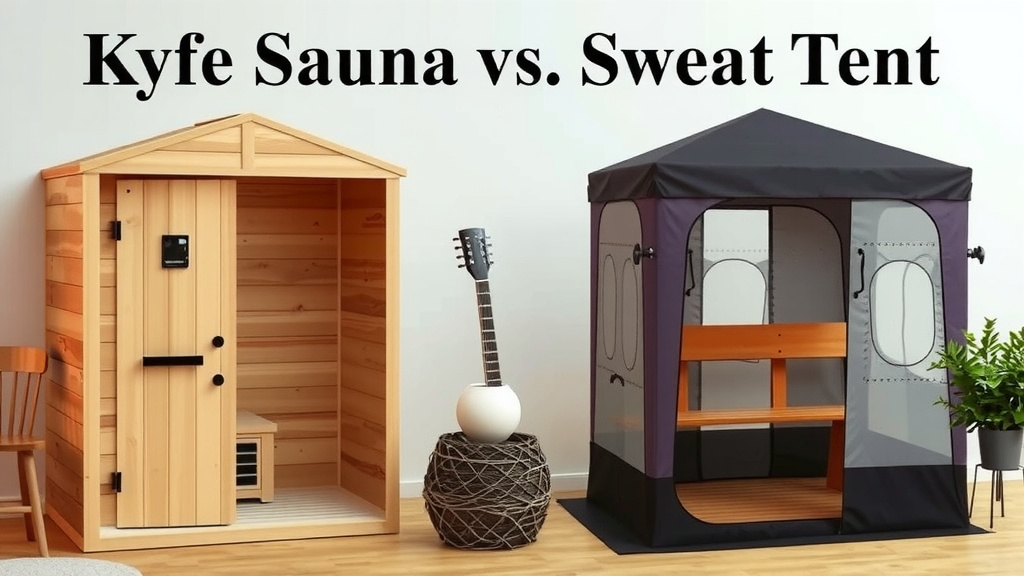
Making Your Decision: What’s Right for You?
So, which one should you go for? It really boils down to your personal preferences and living situation. Do you prioritize ultimate convenience and a fully integrated system?
When a Kyfo Sauna Might Be Your Best Bet
If you have a dedicated space and want a straightforward, all-in-one solution, a Kyfo sauna could be perfect. You plug it in, set the temperature, and relax. It’s ideal if you plan to use your sauna regularly and want a consistent experience. Many people find the solid construction and integrated heating very appealing.
When a Sweat Tent Could Shine
A sweat tent is a fantastic choice if you need something portable or have limited space. It’s also great if you want the flexibility to change locations. If you’re on a tighter budget, a sweat tent coupled with an infrared emitter might be more affordable initially. Just be mindful of the setup and safety precautions for the external heater.
Quick Checklist for Your Choice:
- Space: How much room do you have?
- Portability: Do you need to move it often?
- Budget: What’s your spending limit?
- Heat Preference: Do you prefer steam or infrared?
- Setup: How much assembly are you comfortable with?
- Durability: How long do you expect it to last?
Conclusion
Ultimately, your choice between a Kyfo sauna and a sweat tent hinges on your priorities. If you crave an all-in-one, user-friendly system with integrated heating, a Kyfo sauna offers that convenience. For those seeking flexibility, portability, and potentially a lower initial cost, a sweat tent with an external heater is a strong contender. Both can bring the benefits of regular sauna use into your home. Now, consider your available space, budget, and how often you plan to sweat. This will guide you to the perfect sauna solution for your personal wellness journey.
Frequently Asked Questions
Are sweat tents as effective as traditional saunas?
Sweat tents can be very effective for inducing a sweat. They trap heat from an external source, much like a traditional sauna. While they might not offer the same insulation as a solid-structure Kyfo sauna, they can still provide a deeply warming experience. Your results will depend on the heat source used and the tent’s ability to retain that heat.
Can I use a regular space heater inside a sweat tent?
It’s generally not recommended to use a standard space heater inside a sweat tent. These heaters are not designed for the confined, humid environment of a sauna and can pose a fire risk. Always use an infrared emitter specifically designed for use with sauna tents to ensure safety and effectiveness.
How often should I clean my Kyfo sauna or sweat tent?
You should clean your sauna regularly, ideally after each use or at least weekly, to maintain hygiene. For Kyfo saunas, follow the manufacturer’s instructions, which might involve wiping down surfaces. Sweat tents typically require wiping down the interior fabric. Good ventilation after use also helps prevent moisture buildup and odors.
What is the average lifespan of a sweat tent compared to a Kyfo sauna?
The lifespan varies greatly depending on the quality of materials and how they are used and maintained. A well-built Kyfo sauna with solid construction might last many years, often longer than a fabric sweat tent. Sweat tents, especially those made from less durable materials, might need replacement sooner due to wear and tear on the fabric and zippers.
Do Kyfo saunas require a special electrical outlet?
Many portable Kyfo saunas are designed to plug into a standard household electrical outlet. However, larger or more powerful models might require a dedicated circuit or a different voltage. Always check the specifications of the Kyfo sauna you are considering to ensure your home’s electrical system can support it.

![7 Best Backpacking Tents 2024 [2026]](https://leonardhomeoutdoor.com/wp-content/uploads/2026/08/7-best-backpacking-tents-2024-2026-featured-768x432.jpg)


![7 Best Ground Tent [2026]](https://leonardhomeoutdoor.com/wp-content/uploads/2026/08/7-best-ground-tent-2026-featured-768x432.jpg)