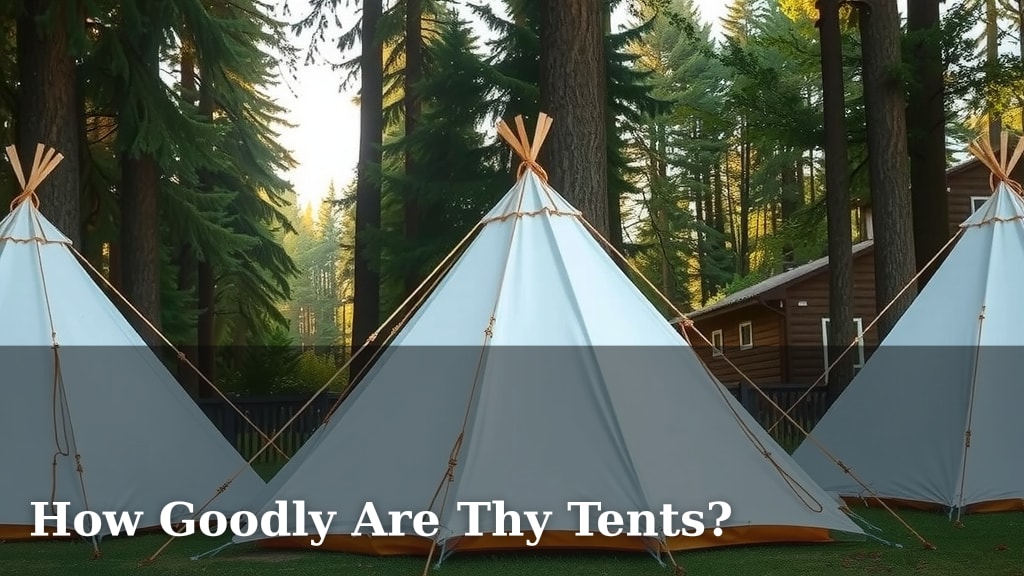
How Goodly Are Thy Tents?
Your tent’s quality matters a lot for a great camping trip. Generally, yes, good tents are worth the investment for comfort and protection. A well-made tent will keep you dry in the rain and protected from wind, making your outdoor adventures much more enjoyable.
When we talk about a “good” tent, we’re looking at factors like durability, ease of setup, and weather resistance. You want a tent that can handle different conditions without failing you. Think of it as your home away from home in the wilderness.
- Good tents offer better protection.
- They are built to last longer.
- Setup is usually easier.
- They can handle various weather.
So, let’s break down what makes a tent “good” and what you should look for. We’ll help you find a tent that’s perfect for your needs.
Assessing Your Tent’s True Worth
So, how good is a good tent, really? It boils down to whether it reliably keeps you comfortable and safe outdoors. A tent isn’t just fabric and poles; it’s your shelter. You want it to perform when you need it most.
We’ve all heard stories of camping trips gone awry because of a faulty tent. Leaks, wind damage, or a collapsed frame can quickly turn a dream vacation into a soggy nightmare. That’s why investing in a quality tent is a smart move for any camper.
The Core Components of a Quality Tent
What makes a tent stand out from the rest? Several key factors contribute to its overall quality and performance. Let’s break them down.
Durability and Material Strength
Think of tent fabric like the walls of your house. You want them sturdy and able to withstand the elements. Ripstop nylon and polyester are common, but it’s the denier count (fabric thickness) and the weave that matter most for durability.
A higher denier generally means a tougher fabric, less prone to tears. We found that tents designed for backpacking often use lighter, yet strong, materials to save weight. For car camping, you might see heavier fabrics that offer more ruggedness. Always check the fabric specifications.
Weather Resistance: Your First Line of Defense
This is where your tent truly proves its worth. Proper weather resistance means staying dry and protected.
Waterproofing Ratings
Look for a waterproof rating, often measured in millimeters (mm). A rating of 1,500mm for the flysheet is a good starting point for moderate rain. For heavier downpours, aim for 2,000mm or higher (NCBI). The floor is just as important; it needs to be waterproof to prevent ground moisture from seeping in.
Seam Sealing and Taped Seams
Even the best waterproof fabric can let water in through its seams. Taped seams are critical. These are seams where the stitching is covered with a waterproof tape, creating a solid barrier against rain. We found that poorly sealed seams are a common failure point in less expensive tents.
Wind Stability
A tent needs a strong frame and a well-designed shape to handle wind. Look for tents with multiple poles that cross each other, providing good structural integrity. Guy lines are also essential; these are the cords you stake into the ground to pull the tent taut and anchor it against wind gusts. Proper tensioning makes a huge difference.
Ease of Setup: Getting You Sheltered Quickly
There’s nothing quite like wrestling with tent poles in the dark or during a sudden rain shower. A good tent is designed for straightforward setup.
Color-coded poles and clips make assembly much simpler. Freestanding tents, which can stand on their own without being staked down, are also easier to maneuver and position. We found that tents with fewer poles and simpler designs tend to be the quickest to pitch.
Ventilation: Preventing That Stuffy Feeling
It’s not just about keeping water out; it’s also about letting air in. Poor ventilation can lead to condensation inside your tent, making everything feel damp.
Look for tents with mesh panels, vents in the flysheet, and good airflow. This helps manage moisture from your breath and body. Some tents offer adjustable vents, allowing you to control airflow based on the weather.
Features That Enhance Your Camping Experience
Beyond the basics, certain features can make your time in the tent much more comfortable and convenient.
Vestibules for Gear Storage
A vestibule is the covered area outside your tent’s main door. It’s a perfect spot to store muddy boots, backpacks, or wet rain gear, keeping the inside of your tent clean and spacious. We found that larger vestibules are particularly useful for longer trips or when camping with multiple people.
Interior Pockets and Gear Lofts
Keeping small items organized is a relief. Interior pockets are great for stashing your headlamp, phone, or a book. A gear loft (a mesh hammock that hangs from the ceiling) can provide extra storage space, getting things off the floor.
Doors and Windows
Consider the number and placement of doors. Multiple doors can be handy if you’re sharing a tent, allowing easy access without disturbing others. Mesh windows can add to ventilation and offer views when the weather is nice.
The Cost vs. Quality Equation
Let’s talk money. Tents come in a wide price range, and often, you get what you pay for. A budget tent might work for a casual backyard campout, but for actual wilderness adventures, it’s usually worth the splurge.
We found that while an expensive tent isn’t automatically better, truly cheap tents often cut corners on materials and construction. This leads to a shorter lifespan and increased risk of failure in bad weather. Think of a good tent as an investment in many years of enjoyable trips.
What to Look for in Different Camping Styles
Your ideal tent depends on how you camp.
Backpacking Tents
These prioritize lightweight and packability. They are often smaller and made with advanced, ultra-light materials. Ease of setup and good ventilation are key for single hikers or pairs.
Car Camping Tents
Weight is less of a concern here. You can opt for larger, more spacious tents with features like multiple rooms or better standing height. Durability and weather protection are still top priorities.
Family Tents
These are designed for comfort and space. They are typically larger, with multiple compartments, and built to withstand varied conditions. Ease of setup for a larger structure is a plus.
Here’s a quick checklist to help you evaluate a tent:
- Check the waterproof ratings for the fly and floor.
- Ensure seams are taped or sealed.
- Look for a robust pole system and guy-out points.
- Assess the ventilation features.
- Read reviews focusing on durability and weather performance.
- Consider the weight and packed size for your type of camping.
Conclusion
Your tent is more than just fabric; it’s your shelter in the wild. A good tent offers reliable protection from rain and wind, making your camping trips enjoyable. We’ve seen that quality comes from durable materials, strong construction, and smart design features like good ventilation and easy setup. Don’t let a poor shelter ruin your adventure. It’s worth investing in a tent that will serve you well for many seasons. Ready to find your perfect outdoor home? Take these tips to your favorite gear shop or start your online search today!
Frequently Asked Questions
How can I tell if a tent is truly waterproof?
Look for high waterproof ratings, usually measured in millimeters (mm). A flysheet rating of 1,500mm is good for moderate rain, while 2,000mm or higher is better for heavy downpours. Also, always check that the seams are taped or sealed to prevent leaks.
Is a more expensive tent always better?
Not always, but generally, you get better quality with higher price points. Cheaper tents often cut corners on materials and construction, leading to a shorter lifespan. A good tent is an investment in many enjoyable camping trips.
What’s the most important feature for wind resistance?
A tent needs a strong pole structure that crosses multiple times for stability. Ensure it has plenty of guy lines. These cords, staked to the ground, keep the tent taut and anchored against strong winds.
How important is tent ventilation?
Very important! Good ventilation prevents condensation inside your tent, which can make everything feel damp. Look for tents with mesh panels and vents to allow for airflow. This keeps your sleeping area more comfortable.
What is a vestibule and why do I need one?
A vestibule is the covered area outside your tent’s main door. It’s a great place to store muddy boots, wet gear, or your backpack. This keeps the main living space of your tent clean and free from clutter.
![7 Best 10x20 Canopy Tent [2026]](https://leonardhomeoutdoor.com/wp-content/uploads/2026/08/7-best-10x20-canopy-tent-2026-featured-768x432.jpg)
![7 Best Beach Cabana Tent [2026]](https://leonardhomeoutdoor.com/wp-content/uploads/2026/08/7-best-beach-cabana-tent-2026-featured-768x432.jpg)