
How Hot Do Sauna Tents Get?
So, you’re wondering, “How hot do sauna tents get?” Great question! Typically, a personal sauna tent can reach temperatures between 140°F and 180°F (60°C to 82°C). This range is perfect for a good sweat session without feeling like you’re in a furnace. The exact heat depends on your setup and how long you let it preheat.
Think of your sauna tent as your personal hot box for relaxation and detox. While some might prefer it a bit cooler, most sauna tent users aim for that sweet spot for maximum benefit. We found that many tents are designed to efficiently trap heat, giving you that authentic sauna feel right in your home. It’s all about finding what feels just right for you.
- Sauna tents can get hot, typically 140°F to 180°F.
- Preheating time affects the final temperature.
- The enclosure traps heat for an effective session.
- Personal preference dictates the ideal heat level.
Ready to dive deeper into the sauna tent experience? Below, we’ll break down the factors that influence your tent’s temperature and how to get the most out of your sessions.
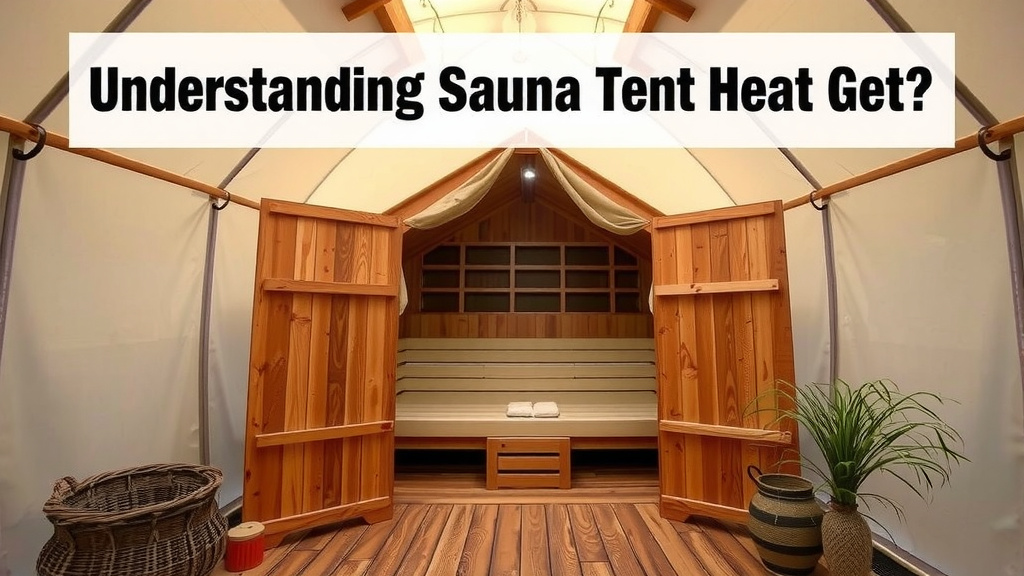
Understanding Sauna Tent Heat Levels
So, you’re curious about the heat inside your personal sauna tent? It’s a fair question! Most home sauna tents are designed to reach temperatures that provide a good, steamy sweat. We found that the typical range you can expect is between 140°F and 180°F (60°C to 82°C).
This temperature zone is widely considered effective for relaxation and promoting a sweat. It offers a balance – hot enough to feel therapeutic, but generally not so extreme that it’s uncomfortable for most users. Think of it as your personal, portable spa experience, tailored to your comfort.
Factors Influencing Your Tent’s Temperature
Several things can affect how hot your sauna tent gets. It’s not just about turning on the heater; it’s a bit of a recipe. Understanding these elements will help you achieve your desired heat level consistently.
The Heater Type and Power
The kind of heater you use is a major player. Infrared heaters and steam (or traditional) heaters work differently. Infrared heaters directly warm your body, while steam heaters warm the air around you.
For steam tents, the wattage of your steam generator is key. A higher wattage generator typically produces more steam, leading to higher temperatures faster. We found that a 1500-watt generator is common for personal tents and can heat up a space effectively.
Preheating Time is Essential
Don’t jump in too soon! Your sauna tent needs time to build up heat. Think of it like preheating an oven before baking cookies. You wouldn’t want to put the dough in a cold oven, right?
We recommend letting your tent preheat for at least 15 to 30 minutes. For steam tents, you might need a bit longer, especially if it’s chilly outside. This allows the heater to work its magic and saturate the air or warm the space evenly.
Tent Material and Insulation
The material your sauna tent is made from plays a big role in heat retention. Many tents are constructed with multi-layered, insulated fabrics. These layers help trap the heat inside, much like a well-insulated home stays warm in winter.
We found that tents made with waterproof and heat-resistant materials tend to perform better. Poor insulation means heat can escape easily, making it harder to reach and maintain your target temperature. It’s like trying to keep a cup of coffee hot in a leaky thermos.
Room Temperature and Ambient Conditions
Where you set up your sauna tent matters too! If you’re using it in a cold garage or basement, it will take longer to heat up. The surrounding air temperature influences how quickly your tent reaches its peak heat.
We’ve seen that setting up your tent in a warmer room, or even a well-insulated shed, can make a difference. The less ambient cold your heater has to fight, the more efficiently it can warm your personal sauna space.
Reaching and Maintaining Your Ideal Temperature
Once you understand the factors, you can fine-tune your sauna experience. The goal is to find a temperature that feels comfortable and beneficial for you.
Using Your Tent’s Controls
Most modern sauna tents come with adjustable heat settings. This is your primary tool for temperature control. Don’t be afraid to experiment with the dial or digital display.
We suggest starting on a lower setting for your first few sessions. You can gradually increase it as you become more accustomed to the heat. Many experts suggest that gradually increasing heat is better for your body than jumping into extreme temperatures.
The Role of Steam and Humidity
For steam sauna tents, the amount of steam produced directly impacts the feeling of heat. More steam means higher humidity, which can make the temperature feel more intense. This is known as the “wet sauna” effect.
If you prefer a drier heat, you might use less steam or opt for an infrared sauna tent. The humidity level can be just as important as the raw temperature for your comfort and experience.
Monitoring Your Temperature Safely
It’s wise to know what temperature you’re actually experiencing. While many tents have built-in indicators, an external thermometer can give you a more accurate reading. You can place it inside the tent to check the actual air temperature.
We found that keeping the temperature within the recommended 140°F to 180°F range is generally advised for most users. However, individual tolerance varies. Always listen to your body and don’t push yourself too hard, especially when starting out.
Tips for Optimizing Your Sauna Tent Heat
Ready to make the most of your sauna sessions? Here are a few practical tips we’ve gathered to help you get the perfect temperature every time.
- Preheat Thoroughly: Always give your tent enough time to heat up before you enter.
- Adjust Settings Gradually: Start lower and increase heat slowly.
- Seal the Tent Well: Ensure there are no obvious gaps where heat can escape.
- Monitor Temperature: Use a thermometer if you want precise control.
- Stay Hydrated: Drink water before, during, and after your session.
- Listen to Your Body: If it feels too hot, lower the temperature or shorten your session.
| Sauna Type | Typical Temperature Range (°F) | Typical Temperature Range (°C) | Notes |
|---|---|---|---|
| Infrared Sauna Tent | 120°F – 140°F | 49°C – 60°C | Heats body directly. Can feel hotter due to direct heat. |
| Steam Sauna Tent | 140°F – 180°F | 60°C – 82°C | Heats the air and increases humidity. |
We’ve seen that understanding these temperature ranges can really enhance your sauna tent experience. It helps you set realistic expectations and make adjustments for maximum enjoyment and benefit. Your personal oasis awaits!
Conclusion
You’ve learned that sauna tents typically reach a comfortable 140°F to 180°F. Remember, factors like your heater, preheating time, and tent material all play a role in achieving your ideal heat. Don’t be afraid to experiment with your tent’s settings to find what feels best for you. Prioritize safety by listening to your body and staying hydrated. Now, go ahead and set up your personal oasis for a truly relaxing and detoxifying experience. Your perfect sweat session is just a preheat away!
Frequently Asked Questions
Can I use my sauna tent outdoors?
Yes, you can often use your sauna tent outdoors, but its heating efficiency might be affected by ambient temperature. For best results, try to set it up in a somewhat sheltered or warmer area, like a garage or a patio that gets sun. Always ensure the ground is level and dry.
How long should I preheat my sauna tent?
We recommend preheating your sauna tent for at least 15 to 30 minutes. For steam tents, especially in cooler environments, you might need a bit longer to reach your desired temperature. This ensures the entire space is evenly heated for a more effective session.
Is 180°F too hot for a sauna tent?
While 180°F is at the higher end of the typical range, it’s not necessarily too hot if you’re accustomed to it. However, it’s wise to start lower and gradually increase the temperature. Always listen to your body and reduce the heat if you feel uncomfortable or dizzy.
Will the tent material affect how hot it gets?
Absolutely. The material your sauna tent is made from significantly impacts heat retention. Tents with multi-layered, insulated, and waterproof fabrics are designed to trap heat effectively. If your tent feels like it’s not getting hot enough, the material might be allowing too much heat to escape.
Can I use a thermometer to check my sauna tent’s temperature?
Yes, using an external thermometer is a great way to get an accurate reading of your sauna tent’s internal temperature. Many tents have built-in indicators, but a separate thermometer can confirm the actual heat level. This helps you fine-tune your settings for optimal comfort and safety.
![7 Best Camping Tents [2026]](https://leonardhomeoutdoor.com/wp-content/uploads/2026/06/7-best-camping-tents-2026-featured-768x432.jpg)