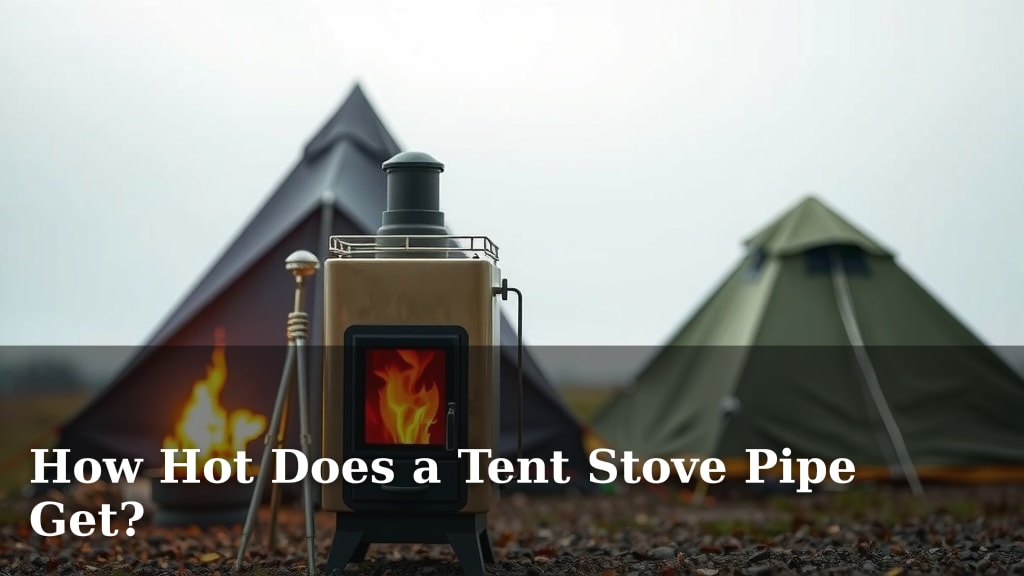
How Hot Does a Tent Stove Pipe Get?
A tent stove pipe can get very hot, reaching temperatures between 400°F and 1000°F depending on the wood burned and airflow. This extreme heat is normal and necessary for efficient burning, but it means you need to be incredibly careful. Always treat the pipe as a serious burn hazard.
Understanding the pipe’s temperature is key to safely enjoying your wood stove in a tent. The stove pipe’s job is to vent hot smoke and gases away from your living space. Without this high heat, your stove wouldn’t work properly. We found that maintaining a safe distance from the pipe is paramount for preventing fires and burns.
- Tent stove pipes reach 400°F to 1000°F.
- This high heat is normal and essential for stove function.
- Always assume the pipe is hot and dangerous.
- Proper clearances and heat shields are vital for safety.
- Never touch or lean near the stove pipe when in use.
Let’s walk through exactly why your tent stove pipe gets so hot and how you can stay safe around it.
Understanding Your Tent Stove Pipe’s Heat Output
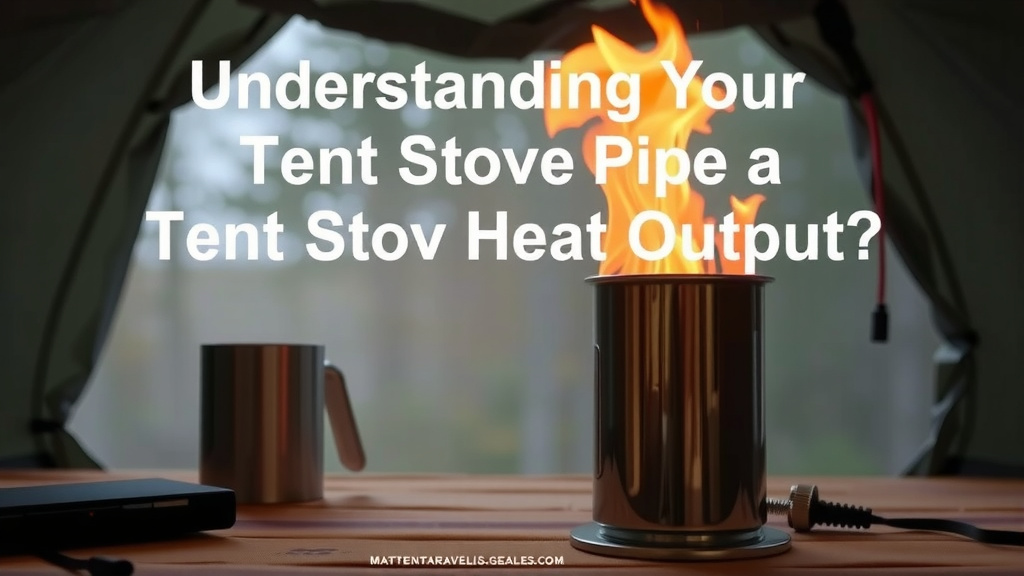
So, just how hot does that metal tube sticking out of your tent get? It’s a question many campers ask, and for good reason. Your tent stove pipe operates at temperatures that might surprise you, but this heat is entirely normal and essential for your stove’s function. Think of it like your car’s exhaust pipe – it’s designed to handle extreme heat to get rid of harmful gases.
Why So Hot? The Science of Combustion
The heat your stove pipe reaches is a direct result of burning wood. When wood combusts, it releases gases and energy. The stove is designed to capture as much of that energy as possible to heat your tent. The pipe’s primary job is to safely vent the remaining smoke and byproducts out into the atmosphere. This process naturally creates very high temperatures.
Temperature Ranges and What Influences Them
Research and manufacturer specifications show that stove pipes commonly reach between 400°F and 1000°F. This wide range depends on several factors. The type of wood you’re burning plays a big role. Denser hardwoods tend to burn hotter and longer than softwoods like pine. Airflow is another major factor. More air means a hotter, more vigorous burn. Less air leads to a cooler, smoldering fire.
The Role of Stove Design
The design of your stove and pipe system also impacts heat. Stoves designed for maximum heat output will inherently produce hotter exhaust. Similarly, the number of pipe sections and their material can affect how much heat is retained or radiated along the length of the pipe. A single-wall pipe will radiate heat more quickly than a double-wall insulated pipe, though both will still get very hot.
Safety First: Managing Pipe Heat in Your Tent
Knowing your pipe gets hot is one thing; managing that heat safely is another. The extreme temperatures mean you need to be constantly vigilant. Accidental contact can cause severe burns very quickly. The goal is to create a safe environment where the stove can operate efficiently without posing a risk.
Maintaining Safe Clearances
This is arguably the most critical safety measure. Your tent stove and pipe system require specific distances from combustible materials like tent fabric, bedding, and firewood. These clearances are usually detailed in the stove’s owner’s manual. Always follow these guidelines to the letter. We found that exceeding the recommended distance is always the safest bet, especially if you’re unsure.
Tent Material and Heat
Tent fabrics are typically made of synthetic materials like nylon or polyester. While some are treated to be fire-resistant, they are still highly flammable. The radiant heat from the stove pipe can easily ignite these materials if they are too close. Think of holding your hand near a hot stove burner – it feels the heat long before you touch it. Your tent fabric is no different.
Clearance Charts and Recommendations
Many stove manufacturers provide clearance charts. These charts are essential reading. They typically show the minimum distance required between the pipe and walls, ceiling, and floor. For instance, a single-wall pipe might need 18-36 inches of clearance from combustible surfaces, while an insulated pipe might require less, perhaps 8-12 inches (Mayo Clinic). Always check your specific stove’s manual for its recommended clearances.
The Importance of Heat Shields
Heat shields are your best friends when it comes to reducing the risk of fire. They act as a barrier, reflecting or absorbing radiant heat away from your tent walls and other surfaces. You can purchase specialized heat shields designed for tent stoves, or in some cases, create your own using non-combustible materials like sheet metal or cement board. We found that reflective insulation boards can be very effective.
Types of Heat Shields
Shields can be rigid panels mounted directly to the wall or ceiling, or they can be flexible materials. Some people use a suspended shield, creating an air gap between the pipe and the shield for added insulation. The key is ensuring there’s an air gap if you’re mounting a shield directly to a surface. This gap allows air to circulate, which helps dissipate heat.
Proper Installation is Key
Simply having a heat shield isn’t enough. It needs to be installed correctly. Ensure it covers an area significantly larger than the pipe itself, extending beyond its edges. And remember, even with a heat shield, you must still maintain the manufacturer’s recommended clearance between the pipe and the shield, and the shield and the tent wall (CDC).
Practical Tips for Staying Safe Around a Hot Pipe
Beyond clearances and shields, there are simple habits that drastically improve safety. Treating the stove pipe with a healthy dose of respect is the first step. It’s not just a part of the stove; it’s a potential hazard that demands attention.
Never Touch the Pipe
This might seem obvious, but when you’re tired or cold, common sense can sometimes take a backseat. Never, ever touch the stove pipe when the stove is in operation or has been recently used. Even a brief touch can cause a serious burn that will ruin your trip. We found that educating everyone in the tent about this rule is essential.
Establish “No-Go” Zones
Designate specific areas around the stove and pipe as strictly off-limits. Keep blankets, sleeping bags, extra wood, and gear well away from the stove area. A good rule of thumb is to keep anything flammable at least 3-5 feet away from the stove and pipe, even with shields in place. This creates a clear safety buffer.
Carbon Monoxide Detector and Fire Extinguisher
These are non-negotiable safety items for any tent with a wood stove. A carbon monoxide detector is vital because a malfunctioning stove or blocked pipe could lead to dangerous CO buildup. A fire extinguisher should be readily accessible in case of any accidental flare-ups. We found that a small, ABC-rated extinguisher is a good choice for tent camping (NIH).
Regularly Inspect Your Setup
Before each use, and periodically throughout the day, take a moment to inspect your stove pipe and surrounding area. Check for any signs of scorching on the tent fabric, ensure all pipe sections are securely connected, and verify that your heat shields are still in place and effective. Early detection of any issues can prevent major problems.
Checklist for Safe Stove Pipe Operation
To make staying safe easier, here’s a quick checklist:
- Always follow manufacturer’s recommended clearances.
- Install and maintain heat shields properly.
- Keep all combustible materials far away.
- Never touch the stove pipe when it’s hot.
- Ensure adequate ventilation for fresh air.
- Keep a fire extinguisher and CO detector handy.
Conclusion
You’ve learned that your tent stove pipe operates at extreme temperatures, typically between 400°F and 1000°F. This heat is essential for efficient burning but demands your constant respect and vigilance. Always remember that proper clearances, effective heat shields, and safe habits are your best defenses against burns and fires. By treating the pipe with the caution it deserves, you can safely enjoy the warmth and ambiance of your wood stove during your camping adventures. Your next step? Double-check your stove’s manual and ensure your setup meets all safety recommendations before your next trip.
Frequently Asked Questions
How can I tell if my tent stove pipe is too hot?
Your stove pipe will glow red, especially at the hotter end of the temperature range. If you see any discoloration like orange or red, it’s extremely hot. You’ll also feel intense radiant heat long before you get close enough to touch it. Always assume it’s dangerously hot when the stove is in use or recently turned off.
Can a tent stove pipe ignite my tent fabric directly?
Yes, a stove pipe that is too close can absolutely ignite tent fabric. Most tent materials are synthetic and highly flammable. Even fire-resistant treatments aren’t foolproof against prolonged exposure to extreme heat or direct contact with a very hot pipe. This is why maintaining recommended clearances is so critical.
What’s the difference between single-wall and double-wall stove pipes regarding heat?
Single-wall pipes radiate heat more intensely and quickly because there’s no insulation. Double-wall pipes have an air gap or insulation between the walls, which reduces the amount of radiant heat they give off to the surrounding tent. However, even double-wall pipes still get very hot and require safe clearances.
Is it safe to have a sleeping bag or pillow near the stove pipe?
No, it is never safe to have sleeping bags, pillows, or any other bedding near the stove pipe. These items are highly flammable and will ignite very easily from the pipe’s heat. Always maintain a generous “no-go” zone around your stove and pipe, keeping all flammable materials far away.
How often should I check my stove pipe setup for safety issues?
You should perform a safety check before each use of the stove. Additionally, periodically inspect the pipe and surrounding area during operation. Look for any signs of scorching, ensure connections are secure, and confirm heat shields are properly positioned. Catching any potential problem early is key to preventing a fire.
![7 Best Family Tents [2026]](https://leonardhomeoutdoor.com/wp-content/uploads/2026/06/7-best-family-tents-2026-featured-768x432.jpg)