
How Long Does a Termite Tent Treatment Last?
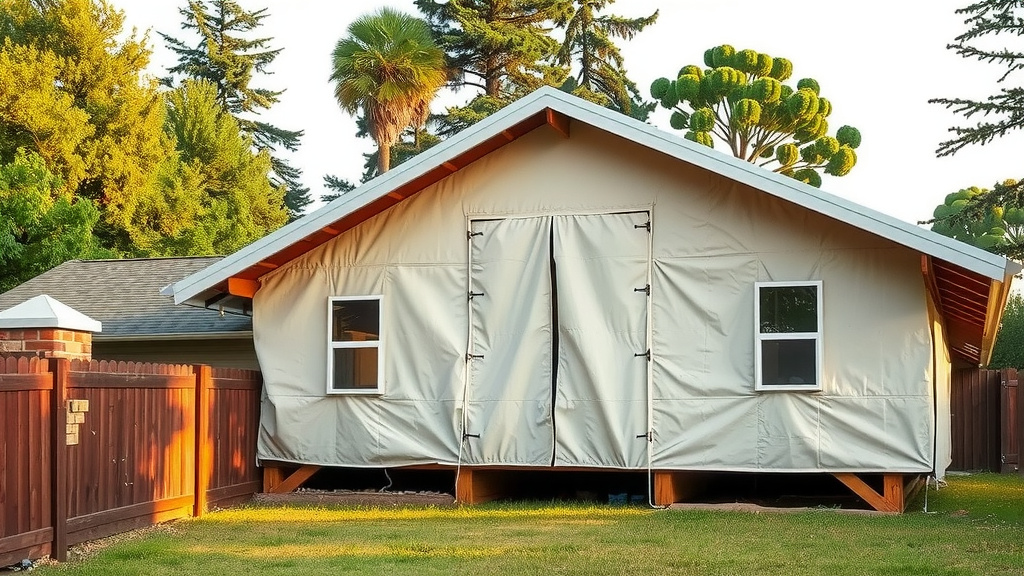
A termite tent treatment, also known as fumigation, typically lasts about 2 to 5 years, depending on environmental factors and the effectiveness of the initial treatment. This treatment targets active infestations and helps protect your home from future termite damage by leaving behind a residue. For long-term protection, follow-up inspections and preventative measures are recommended.
While tenting kills existing termites, it doesn’t necessarily prevent new colonies from moving in. The effectiveness of the treatment itself can be influenced by factors like how well the gas penetrates all areas and the specific type of termite. We’ve found that understanding the lifespan of the treatment helps you plan for future pest control needs.
- Tenting can last 2-5 years.
- Factors like environment and treatment quality matter.
- It kills current termites, not necessarily future ones.
- Regular inspections are key for ongoing protection.
- Prevention methods can extend effectiveness.
Let’s walk through exactly how long you can expect your termite tent treatment to work and what you can do to keep those pesky termites away for good.
Understanding Your Termite Tent Treatment’s Lifespan
You’ve gone through the process of tenting your home for termites. That’s a big step! Now you’re probably wondering, “How long will this protection actually last?” Many homeowners find that a termite tent treatment provides effective protection for about 2 to 5 years.
This timeframe isn’t a hard and fast rule, though. Several factors can influence how long the residual effects of the fumigant last. Think of it like painting your house – a good paint job lasts longer than a cheap one, and the weather plays a role too. We’ve found that understanding these influences helps you manage your termite control expectations.
How the Treatment Works and Its Residual Effects
When your home is tented, a gas called a fumigant is pumped in. This gas is designed to penetrate every nook and cranny. It reaches even the most hidden termite galleries. The goal is to kill all active termites present during the fumigation. Most modern fumigants leave a very light residue behind.
This residue isn’t something you can see or feel, but it can deter termites that might try to re-infest certain areas soon after treatment. However, this residue isn’t a permanent shield. Its effectiveness can diminish over time. We found that the type of fumigant used plays a role in how long this protection lasts.
Factors Influencing Treatment Longevity
So, what makes the difference between a treatment that lasts 2 years and one that might push 5? It’s a combination of elements. Let’s break them down so you know what to look out for.
Environmental Conditions Play a Big Role
Your home’s environment is a major player. Factors like humidity and temperature can affect how quickly the fumigant dissipates. If you live in a very humid or warm climate, the residue might break down faster. Termites also thrive in certain conditions.
Areas with high moisture or wood-to-ground contact provide ideal living spaces for termites. If your home has these conditions, it can be more attractive to new termite colonies. Many experts say that addressing these environmental factors is key to long-term prevention (University Extension Services).
The Quality of the Initial Treatment
Not all tenting treatments are created equal. The skill and thoroughness of the pest control company are paramount. Did they properly seal your home? Did they use the right amount of fumigant for the size of your house? These details matter.
We found that companies with a strong track record and experienced technicians tend to provide more effective treatments. Asking for references and understanding their process can give you peace of mind. A professional application ensures the gas reaches all areas where termites might be hiding, maximizing the treatment’s impact.
Type of Termite and Infestation Severity
Different termite species have different habits. Subterranean termites, for example, build nests underground and travel through mud tubes. Drywood termites live within the wood they infest. The type of termite you’re dealing with can affect how thoroughly the fumigant works.
Also, the severity of the initial infestation can play a part. A very large and established colony might be harder to eradicate completely with a single treatment. If termites were deeply entrenched, some might survive and rebuild. This is why follow-up inspections are so important.
What “Lasts” Really Means: Protection vs. Prevention
It’s important to understand that a termite tent treatment is primarily an active infestation killer. It deals with the problem you have right now. While the residue offers some short-term deterrence, it’s not a magical barrier against future termite invasions.
Think of it this way: if you have a leaky faucet, a plumber can fix the current leak. But if you don’t address the worn-out washer or high water pressure, new leaks might spring up elsewhere. Similarly, tenting stops the current termite party, but it doesn’t necessarily evict future party crashers.
Extending the Life of Your Termite Protection
So, how can you help make that 2-5 year window as long as possible? It involves being a bit proactive around your home. You’re the first line of defense after the professionals leave!
Regular Inspections are Your Best Friend
This is probably the most critical step. Many pest control experts recommend having your home inspected annually, even after tenting. These inspections can catch early signs of new termite activity before it becomes a major problem again.
During an inspection, a trained professional will look for mud tubes, discarded wings, frass (termite droppings), and signs of wood damage. Catching these early is like catching a small cavity before it needs a root canal. Many homeowners find this peace of mind is well worth the investment.
Dampwood and Wood-to-Soil Contact: Your Enemies
Termites love moisture and easy access to your home’s structure. Minimizing these conditions can make your home far less appealing to them. This is a key recommendation from numerous pest control resources (National Pest Management Association).
- Fix leaky pipes and faucets promptly.
- Ensure your gutters are clean and directing water away from your foundation.
- Keep mulch and soil at least six inches away from your home’s exterior.
- Store firewood and lumber off the ground and away from the house.
- Address any foundation cracks or openings where termites could enter.
Consider Additional Preventative Measures
Beyond environmental controls, there are other preventative measures you might discuss with your pest control professional. These can create a more robust defense system for your home.
- Liquid Termiticides: Some companies offer liquid barriers around the foundation. These chemicals create a zone that deters termites from crossing. The longevity of these can vary.
- Baiting Systems: These systems involve placing bait stations around your property. Termites feed on the bait, take it back to the colony, and can eliminate it from within. These require ongoing monitoring.
We found that a combination of tenting for an active infestation and then implementing a consistent baiting or liquid barrier program offers the most comprehensive, long-term protection. It’s like having both a security system and a vigilant guard dog.
Timeline Summary: What to Expect After Tenting
After the tenting is complete and your home is cleared for re-entry, you’ll have immediate relief from the active termite population. The residual effects of the fumigant will offer some protection for a period. We’ve observed that this initial protection typically lasts for several months to a year.
However, the longer-term structural protection, the 2-5 years, relies more heavily on your ongoing efforts and the environment. It’s a partnership between the initial treatment and your home maintenance. Keeping up with inspections and preventative measures is what truly solidifies that protection over the years.
Checklist: Maintaining Your Termite-Free Home
To help you keep your home safe from termites long after the tent is gone, here’s a quick checklist:
- Schedule annual termite inspections with a qualified professional.
- Monitor for moisture issues and address them immediately.
- Ensure proper drainage away from your foundation.
- Keep wood structures and stored wood away from direct contact with soil.
- Seal any cracks or entry points in your foundation or exterior walls.
- Discuss ongoing preventative treatments with your pest control service if needed.
Conclusion
You’ve invested in a termite tent treatment, and understanding its longevity is key to protecting your home. Remember, a tent treatment typically offers protection for about 2 to 5 years. This timeframe is influenced by your home’s environment and the quality of the initial treatment. While tenting eliminates current infestations, it’s not a permanent shield against future invaders. To truly maintain a termite-free home, regular inspections and prompt attention to moisture issues are your best allies. Make annual inspections and simple preventative steps your ongoing strategy for peace of mind.
Frequently Asked Questions
How soon can termites come back after tenting?
While the fumigant leaves a temporary residue, termites can potentially re-infest your home relatively soon if conditions are favorable. This is why it’s important to address any moisture issues or wood-to-soil contact immediately after treatment. Long-term prevention is more about environmental control than the lingering effects of the gas itself.
Can I do anything to make the tent treatment last longer?
Yes, you can. Your actions are crucial for extending the protection. This includes fixing any leaks, ensuring good drainage away from your foundation, and keeping mulch and soil at least six inches from your home’s exterior. Storing firewood off the ground also helps significantly.
What if I see signs of termites again after 3 years?
If you notice signs of termites within the 2-5 year window, or even after that, it’s time to call a professional. This could mean the initial treatment’s residual effects have worn off, or a new colony has established itself. Schedule an inspection right away to assess the situation and discuss further treatment options.
Is tenting a one-time fix, or should I expect repeat treatments?
Tenting is primarily for active infestations. While it resolves the immediate problem, termites can return. Many homeowners opt for ongoing preventative measures, like baiting systems or liquid barriers, after tenting to create a more continuous defense. Your pest control professional can advise on the best long-term strategy for your home.
Does the type of termite affect how long the treatment lasts?
Yes, the type of termite can play a role. For instance, subterranean termites are harder to fully eradicate with tenting alone since their colonies are often underground. Drywood termites might be more effectively eliminated by tenting if the gas can fully penetrate their galleries. Your pest control company will consider the species when performing the treatment.

![7 Best Freestanding Ultralight Tent [2026]](https://leonardhomeoutdoor.com/wp-content/uploads/2026/08/7-best-freestanding-ultralight-tent-2026-featured-768x432.jpg)
![7 Best Overland Rooftop Tent [2026]](https://leonardhomeoutdoor.com/wp-content/uploads/2026/09/7-best-overland-rooftop-tent-2026-featured-768x432.jpg)