How Long Does a Tent Take to Dry?
So, you’re wondering, “How long does a tent take to dry?” Generally, you can expect your tent to dry in about 2 to 6 hours, but this really depends on a few key factors. Getting it bone-dry is super important to prevent mold and mildew.
We’ve all been there – packing up a damp tent after a great trip. It’s a bummer, but it doesn’t have to ruin your gear! Factors like the tent material, the humidity in the air, and how you spread it out all play a big role in drying time. Some fabrics are thirstier than others!
- Quick Answer: Expect 2-6 hours for most tents to dry completely.
- Key Influences: Fabric type, humidity, and drying method matter most.
- Why Dry? Prevent mold, mildew, and damage to your tent.
- Best Bet: Air dry in a well-ventilated, sunny spot if possible.
- What’s Next: We’ll break down all the details below!
Below, we’ll break down exactly how long your tent might take to dry and the best ways to speed up the process so you can get it stored properly.
Understanding Your Tent’s Drying Time
So, how long does it actually take for your tent to dry? You’re likely looking at a timeframe of about 2 to 6 hours for most tents to become completely dry. This might seem straightforward, but several factors can speed up or slow down this process considerably.
The ultimate goal is to get your tent bone-dry. Why is this so important? Because a damp tent is a breeding ground for mold and mildew. These unwelcome guests can damage your tent’s fabric, create unpleasant odors, and even shorten its lifespan. Many outdoor enthusiasts agree that proper drying is key to preserving your gear (REI).
Factors Affecting How Long a Tent Takes to Dry
Several elements influence how quickly your tent will dry. Think of it like drying laundry – some items take longer than others, right? Your tent is no different.
Tent Material Matters
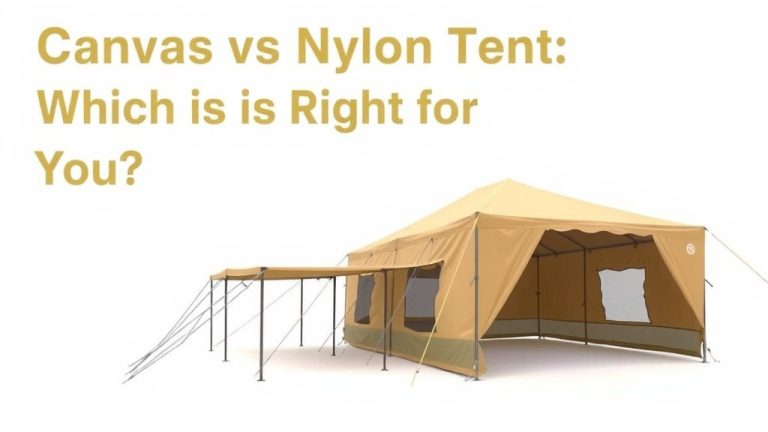
The type of fabric your tent is made from plays a huge role. Most modern tents use nylon or polyester. These materials are generally quick-drying. However, some older tents or specific types might have canvas or other natural fibers. These can absorb much more water and take considerably longer to dry.
Coated fabrics, like those with a polyurethane or silicone treatment, might also affect drying time. The coating can make the fabric more water-resistant, meaning water might bead up and roll off more easily, potentially speeding up the drying process. We found that tents with ripstop nylon often dry faster than those with smoother weaves.
Humidity Levels: The Unseen Opponent
This is a big one! If you’re trying to dry your tent in a humid environment, it will take much longer. Humidity refers to the amount of water vapor in the air. When the air is already saturated with moisture, it can’t absorb much more. This means your tent will struggle to release its own moisture into the air.
For example, drying a tent after camping in a rainforest will be a much slower process than drying it in the arid desert. Many outdoor guides suggest that high humidity (above 60%) can significantly extend drying times, sometimes doubling them (National Park Service).
Temperature and Sun Exposure
Warmer temperatures and direct sunlight are your best friends when it comes to drying a tent. Heat speeds up evaporation, and the sun provides that heat. A sunny, warm day can drastically cut down drying time. Conversely, trying to dry a tent on a cool, cloudy, or windy day will take much longer.
We found that a tent left in direct sunlight on a warm (70°F+) day could dry in as little as 2-3 hours. In cooler, overcast conditions, that same tent might need 8-10 hours, or even longer.
Airflow: The Secret Ingredient
Good airflow is essential. The more air that can circulate around your tent, the faster the moisture will dissipate. If you simply bundle up a damp tent, the moisture gets trapped inside, and drying becomes nearly impossible. Proper ventilation allows humid air to escape and be replaced by drier air.
Methods for Drying Your Tent Efficiently
Knowing how to properly dry your tent can save you a lot of hassle and protect your investment. Here are some effective methods we’ve found:
The Best Method: Air Drying Outdoors
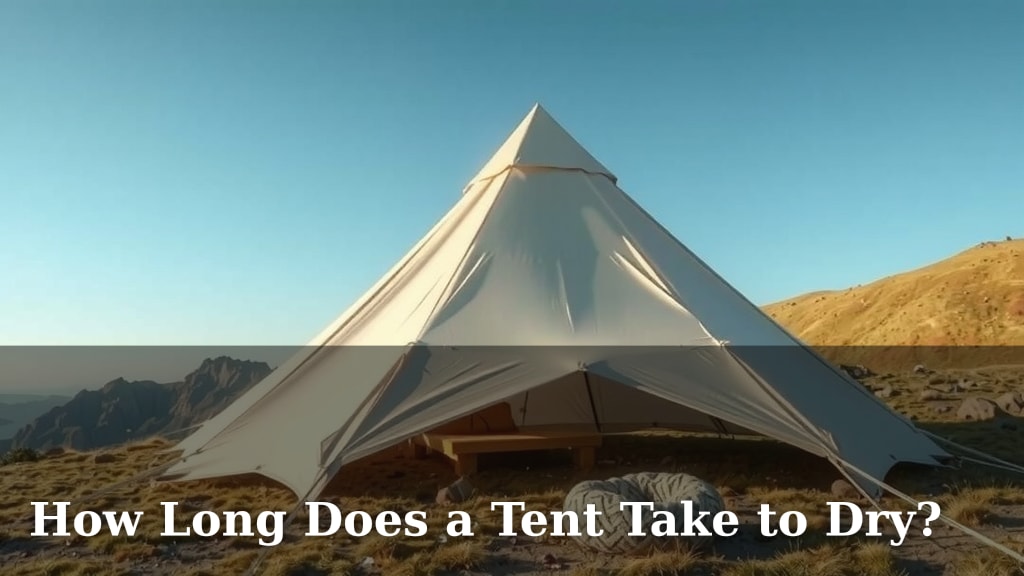
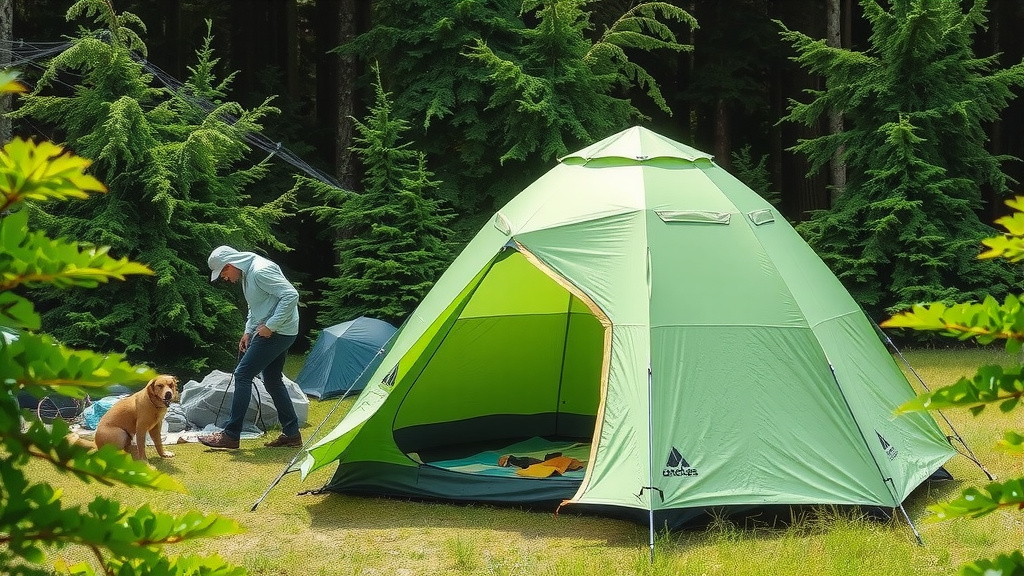
If possible, the ideal scenario is to air dry your tent outside. Find a spot that gets good sunlight and has decent airflow. Spread the tent out as much as you can.
- Unzip all doors and windows to maximize ventilation.
- Pitch the tent if you have the space and time. This allows air to circulate freely inside and out.
- If pitching isn’t an option, drape it over a clothesline, shed roof, or even a sturdy car. Ensure it’s spread out and not bunched up.
Dealing with Dampness Indoors
What if the weather outside isn’t cooperating? You can still dry your tent indoors, but it requires a bit more effort.
Use fans to increase air circulation. Open up the tent completely and place fans facing it. This mimics outdoor airflow. You can also hang it in a well-ventilated room, perhaps with windows open. Avoid drying it in a closed-off space, as this will just trap the moisture.
Using a Towel for Quick Touch-Ups
For small amounts of lingering dampness, especially on poles or seams, a clean, dry towel can be a lifesaver. Gently wipe down these areas. This is great for those last stubborn droplets that just won’t evaporate.
What NOT to Do: Avoid Common Mistakes
There are a few things you absolutely want to avoid when drying your tent.
- Don’t use a clothes dryer. The heat can melt coatings, damage seams, and shrink the fabric. Many tent manufacturers explicitly warn against this (Patagonia).
- Don’t store a damp tent. We’ve already covered why, but it bears repeating. Even a little bit of dampness can lead to mold and mildew during storage.
- Don’t use harsh chemicals or detergents. These can degrade the fabric and waterproof coatings. Stick to gentle cleaning methods if needed.
A Quick Drying Checklist
Here’s a simple checklist to help you get your tent dry effectively:
- Spread tent flat or pitch it fully.
- Open all doors and windows for ventilation.
- Use direct sunlight and warmth if available.
- Ensure good airflow around the tent.
- Wipe down any persistent damp spots with a towel.
- Double-check seams and corners for moisture.
How Long Does It Take to Dry Tent Poles?
Tent poles usually dry much faster than the tent fabric. They are typically made of aluminum or fiberglass. You can usually just wipe them down with a dry cloth, and they’ll be ready. If they got very muddy, a quick rinse and then a thorough drying should suffice. We found that poles typically dry in minutes once wiped down.
Conclusion
You’ve learned that drying your tent typically takes 2 to 6 hours, but this time can fluctuate. Remember, the key players are your tent’s material, the surrounding humidity, and how much airflow you provide. Getting your tent thoroughly dry is your best defense against mold and mildew, ensuring it lasts for many adventures to come. So, next time you pack up, make sure your tent is completely dry. Your future self, and your gear, will thank you for it!
Frequently Asked Questions
What if I can’t air dry my tent outside?
If outdoor drying isn’t an option, bring your tent inside and use fans to create good airflow. Open all doors and windows, and position fans to circulate air around the tent. Hanging it in a well-ventilated room can also help speed up the process.
How long does it take for a tent to dry if it’s really soaked?
If your tent is thoroughly soaked, especially from heavy rain or dew, it will take longer to dry. You should plan for the higher end of the 2-6 hour range, or even longer. Ensure you have good ventilation and sunlight if possible to speed things up.
Can I speed up drying by using a hairdryer?
While a hairdryer might seem like a quick fix, it’s generally not recommended for large areas. The concentrated heat can potentially damage the fabric or coatings. It’s better suited for drying small, stubborn damp spots on poles or seams, and even then, use it cautiously on a low setting.
How do I know if my tent is completely dry?
Your tent should feel dry to the touch all over, including seams and corners. Pay close attention to the inside and any pockets. If you notice any lingering coolness or dampness, it’s not quite ready for storage. A quick once-over, touching different parts, is your best bet.
Does the type of tent (e.g., backpacking vs. family) affect drying time?
Yes, generally smaller backpacking tents might dry a bit faster due to less fabric surface area. Larger family tents have more material, which can increase drying time. However, the core factors like material, humidity, and airflow will still be the most significant influences for any tent type.
![7 Best Tent Camping Air Conditioners [2026]](https://leonardhomeoutdoor.com/wp-content/uploads/2026/09/7-best-tent-camping-air-conditioners-2026-featured-768x432.jpg)