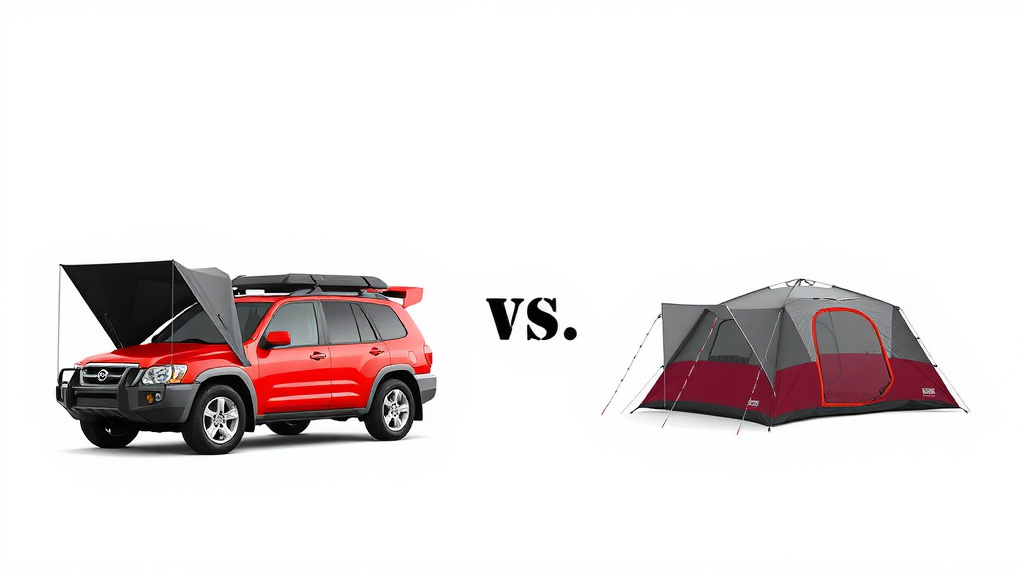
Car Camping Tent vs Backpacking Tent: Which Is Right
For most camping trips, a car camping tent is the better choice over a backpacking tent. Car camping tents offer more space and comfort for your gear and living area. Backpacking tents prioritize being lightweight and compact for carrying long distances. Your trip’s style dictates the best tent for you.
Choosing between a car camping tent and a backpacking tent comes down to your priorities. If you’re driving to your campsite, you’ll appreciate the roominess and features of a car camping tent. If you plan to hike to your campsite, the lightweight design of a backpacking tent is essential.
- Car camping tents are bigger and heavier.
- Backpacking tents are smaller and lighter.
- Consider how you’ll get to your campsite.
- Your gear storage needs matter too.
We’ve gathered the key differences and benefits of each tent type to help you make the right decision. Let’s walk through what makes each one unique.
Car Camping vs. Backpacking Tents: Finding Your Perfect Shelter
Choosing the right tent can feel like a big decision. But don’t worry, we’ve got you covered. Your camping style will tell you which tent is best. Think about how you’ll reach your campsite. This is the biggest factor. It guides everything from weight to size.
Understanding the Core Differences
Weight and Portability: The Great Divide
The most obvious difference is weight. Backpacking tents are built to be light. Every ounce counts when you’re carrying your gear on your back for miles. Car camping tents, on the other hand, can be much heavier. Why? Because you’re driving right up to your campsite. That means you don’t have to worry about lugging it around. Our comparison of Core Tents and Ozark Trail tents can help you decide.
We found that backpacking tents can weigh as little as 2-3 pounds for a solo hiker. Some larger ones for two might be around 4-5 pounds. Car camping tents often start at 10 pounds and can go up to 20 pounds or more. This difference is huge for your back and shoulders.
Size and Interior Space: Living Large vs. Cozying Up
When it comes to space, car camping tents usually win. They are designed for comfort and roominess. You might find tents that can stand up in, have separate rooms, or include large vestibules for gear. This makes setting up camp feel more like a mini-home.
Backpacking tents prioritize function over extra space. They are typically smaller and lower to the ground. This helps them withstand wind better. While you can sleep in them comfortably, you won’t be doing much more than that. Think cozy and efficient, not sprawling.
Durability and Weather Resistance: Built for the Trail vs. the Campsite
Both types of tents are made to withstand the elements. However, their designs reflect their intended use. Backpacking tents often use lighter, more advanced materials to save weight. These materials can still be very strong. They are built to handle wind and rain on exposed trails.
Car camping tents might use heavier fabrics. This adds weight but can also increase durability for frequent use at a set campsite. Many are designed with large mesh panels for ventilation on warm nights. They also often have very large rainflies that extend far down the sides. This offers excellent protection from rain and wind when you’re parked nearby.
Setup Ease: Quick Pitch vs. Strategic Assembly
Setting up a tent is part of the camping experience. For car camping, you often have more time and less pressure. Many car camping tents feature simple pole structures. You can usually get them up quickly, even with kids helping.
Backpacking tents might have slightly more complex pole configurations. This is to keep weight down and improve stability. While they aren’t difficult to set up, it might take a little more practice. You’ll want to be able to pitch it efficiently after a long hike.
Key Features to Consider for Your Trip
Capacity: How Many People (and Paws) Will Sleep Here?
Tents are rated by the number of people they can sleep. A 2-person tent is common for solo campers or couples. A 4-person tent is great for families or groups of friends. For car camping, you can often get larger tents, like 6-person or even 8-person models. These offer plenty of room for everyone and their stuff. Our guide to 1-person vs. 2-person tents can help you choose the right size.
When looking at backpacking tents, the “person” rating is often a bit tighter. A 2-person backpacking tent might feel more comfortable for one person and their gear. It’s always a good idea to check the floor dimensions. This will give you a better idea of the actual sleeping space. Don’t forget to consider your furry friends!
Vestibules and Gear Storage: Keeping Things Tidy
Vestibules are covered areas outside the main tent door. They are fantastic for storing muddy boots, backpacks, or cooking gear. Car camping tents often have large vestibules. Some even have multiple doors, each with its own vestibule. This means no tripping over each other’s gear.
Backpacking tents also have vestibules, but they are usually smaller. The focus is on just enough space to keep essentials dry. If you plan on cooking in your vestibule during bad weather, make sure there’s enough room. Safety first, of course!
Ventilation: Staying Cool and Dry
Good ventilation is key to a comfortable tent. It prevents condensation from building up inside. Condensation can make your sleeping bag feel damp. Car camping tents often feature large mesh panels on the tent body and windows. This allows for excellent airflow on warmer nights.
Backpacking tents also prioritize ventilation. They often have mesh doors and large mesh sections on the roof. Some have vents built into the rainfly. This helps regulate temperature without letting in too much rain. We found that tents with good ventilation are a game-changer for sleep quality.
| Feature | Car Camping Tent | Backpacking Tent |
|---|---|---|
| Weight | Heavier (10+ lbs) | Lighter (2-5 lbs) |
| Pack Size | Larger | Compact |
| Interior Space | Roomy, high ceilings | Cozy, lower profile |
| Setup | Generally simpler and quicker | May require a bit more practice |
| Durability | Robust, often heavier fabrics | Lightweight but strong technical fabrics |
| Best For | Driving to campsite, base camps, families | Hiking to campsite, weight-conscious campers |
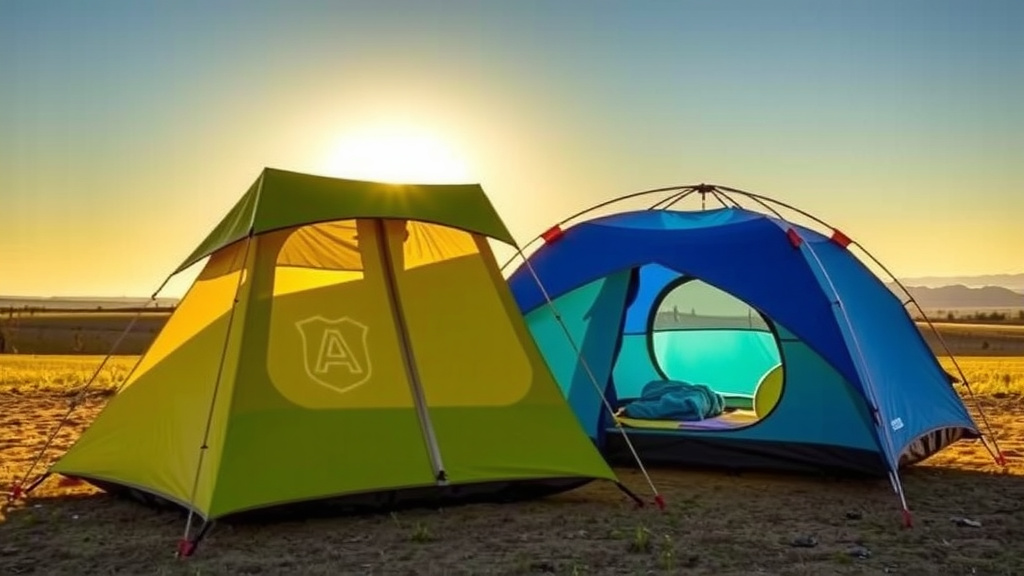
Which Tent Is Right for Your Next Adventure?
So, how do you make the final choice? It really comes down to your camping habits. If your idea of camping involves driving your car right up to a designated spot, a car camping tent is likely your best bet. You’ll enjoy the extra space for relaxing, playing games, and storing all your gear comfortably.
If you plan on hiking into your campsite, perhaps in a national park or on a long-distance trail, a backpacking tent is essential. Every pound you save on your shelter means more energy for the hike. It’s a trade-off between comfort at the campsite and ease of travel to get there.
Here’s a quick checklist to help you decide:
- Will you be driving to your campsite?
- How much gear do you typically bring?
- Do you need standing room inside your tent?
- What’s your budget for a tent?
- What kind of weather conditions do you expect?
- Are you hiking with your tent or carrying it short distances?
Conclusion
Your choice between a car camping tent and a backpacking tent boils down to one simple question: how are you getting to your campsite? If you’re driving, embrace the spaciousness and creature comforts of a car camping tent. You’ll have more room for gear, better ventilation, and a more relaxed setup. If your adventure involves hiking in, a lightweight backpacking tent is your best friend. Every ounce saved makes your journey easier.
Before you buy, consider how much gear you’ll bring and who will be sleeping inside. Think about the weather too. Making the right choice means a more comfortable and enjoyable experience in the great outdoors. Happy camping!
Frequently Asked Questions
Can I use a car camping tent for backpacking?
Generally, no. Car camping tents are too heavy and bulky to carry comfortably on a long hike. You’d quickly find yourself exhausted by the weight. They are designed for the convenience of being near your vehicle.
Are backpacking tents durable enough for casual car camping?
Yes, backpacking tents can be excellent for car camping, especially if you want to save weight or have a smaller setup. Their durable, technical fabrics are built to withstand various conditions, offering reliable shelter.
What does “tent capacity” really mean for backpacking tents?
Tent capacity for backpacking tents often means fitting the stated number of people but with very little extra room. A 2-person backpacking tent is often best for one person plus their gear for maximum comfort.
Do car camping tents offer better weather protection?
Car camping tents often have larger rainflies that extend further down the tent walls, providing excellent protection. However, many backpacking tents are also designed with robust waterproofing and wind resistance for exposed conditions.
How important is standing room in a tent?
Standing room is a major comfort factor for car camping. It allows you to change clothes easily and move around. For backpacking, lower-profile tents are preferred for stability, so you sacrifice standing room for weight savings.
![7 Person Instant Tent [2026]](https://leonardhomeoutdoor.com/wp-content/uploads/2026/08/7-person-instant-tent-2026-featured-1-768x432.jpg)