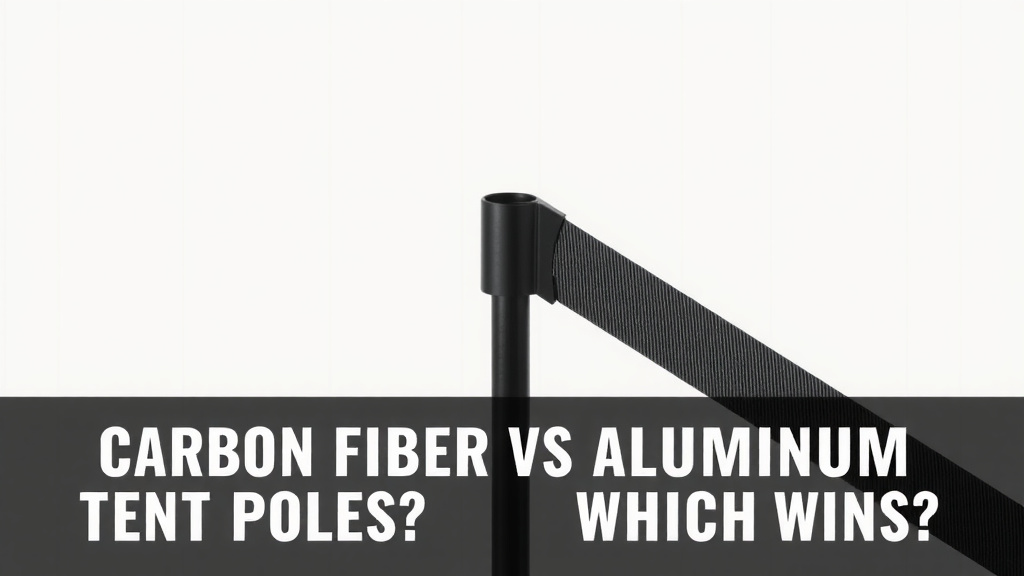
Carbon Fiber vs Aluminum Tent Poles: Which Wins
When choosing between carbon fiber and aluminum tent poles, carbon fiber generally wins for ultralight backpackers. While aluminum poles are a reliable workhorse, carbon fiber offers a superior strength-to-weight ratio, making your pack lighter. This means less strain on your shoulders during long hikes. So, for serious weight savings, carbon fiber is often the top choice.
Aluminum has been the go-to for decades due to its Aluminum has been the go-to for decades due to its durability and affordability, as detailed in our comparison guide.durability and affordability. It can withstand a lot of abuse, which is great for general camping. But when every ounce counts on a thru-hike or a challenging summit attempt, the extra ounces of aluminum can feel like pounds. Many campers find the trade-off for lighter weight is worth the slightly higher cost of carbon fiber.
- Carbon fiber is lighter and stronger for its weight.
- Aluminum is more affordable and very durable.
- Weight is key for backpackers and thru-hikers.
- Cost is a factor for budget-conscious campers.
- Your intended use helps decide which is best.
Let’s dive into the specifics of carbon fiber versus aluminum tent poles to help you make the best choice for your adventures.
You’re on the trail, miles from the nearest store, and your tent pole snaps. What a bummer! That’s why choosing the right tent pole material is super important for your camping trips. We’re going to break down the differences between two popular choices: carbon fiber and aluminum. Understanding their strengths and weaknesses will help you pick the poles that best fit your adventures.
Weighing Your Options: Carbon Fiber vs. Aluminum Tent Poles
This section will help you understand the key differences between carbon fiber and aluminum tent poles. You’ll learn which is better for different types of camping.
Understanding the Materials
What is Carbon Fiber?
Carbon fiber is a material made of extremely thin, strong fibers. These fibers are woven together and then bound with a resin. The result is a material that is incredibly lightweight yet remarkably strong. It’s often used in high-performance gear, like race cars and aircraft, where weight savings and strength are critical. Think of it as super-strong spaghetti noodles, but much, much tougher!
What is Aluminum?
Aluminum is a common metal. For tent poles, it’s usually an alloy, meaning it’s mixed with other metals to make it stronger. It’s been a go-to material for camping gear for a long time because it’s durable and can take a beating. It’s also generally more affordable than carbon fiber. Most of us have probably used aluminum poles at some point.
Key Differences on the Trail
Let’s get into the nitty-gritty of how these materials perform when you’re out camping. This is where you’ll see why one might be better for you than the other.
Weight: The Backpackers’ Best Friend
When you’re backpacking, every ounce matters. Your pack can feel heavy quickly. We found that carbon fiber poles are significantly lighter than aluminum ones. This difference might seem small on paper, but it adds up. Lighter poles mean a Our guide to the best budget lightweight tents can help you find options that contribute to a lighter overall pack weight.lighter overall pack weight. This can make a big difference on long hikes, reducing fatigue and making your journey more enjoyable.
Strength and Durability: How They Hold Up
Carbon Fiber’s Strength
Carbon fiber poles boast an impressive strength-to-weight ratio. This means they can be very strong without adding much bulk. They are often more rigid than aluminum. However, they can be more brittle. If subjected to a sharp, forceful impact, they might crack or shatter. Research suggests this is a key difference to consider.
Aluminum’s Durability
Aluminum poles are known for their toughness. They tend to bend or dent rather than break when put under stress. This makes them very forgiving. If you accidentally step on your tent pole or it gets twisted, aluminum will often survive with just a minor cosmetic change. We found many campers appreciate this robustness for general use.
Flexibility and Feel
You might notice a difference in how the poles flex. Aluminum poles often have a bit more give. They can bend more before reaching their breaking point. Carbon fiber poles, on the other hand, tend to be stiffer. This rigidity can be great for pitching a taut tent in windy conditions. Some users report a slightly different “feel” when setting up camp with each material. It’s subtle, but you might notice it.
Cost: What’s Your Budget?
Let’s talk about price. Carbon fiber tent poles are generally more expensive. The manufacturing process is more complex and costly. Aluminum poles, however, are usually the more budget-friendly option. If you’re just starting out with camping or need to replace poles on a tighter budget, aluminum is likely a better fit. Many outdoor gear reviews highlight this price difference.
Repair and Maintenance
What happens if something goes wrong? With aluminum poles, minor dents can sometimes be hammered out. If a section breaks, it might be difficult to repair in the field. For carbon fiber, a crack or break usually means replacing the section or the entire pole. Some manufacturers offer repair kits for carbon fiber, but it’s often a more permanent fix for aluminum.
Putting It All Together: Which Pole is Right for You?
So, after looking at all these factors, how do you decide? Your choice really depends on your camping style and priorities. Think about where you’re going and what you’ll be doing.
The Ultralight Backpackers’ Choice
If your main goal is to shave every possible ounce off your pack, carbon fiber is likely your winner. Thru-hikers, mountaineers, and anyone planning long, strenuous treks will appreciate the significant weight savings. Less weight means more energy for the miles ahead.
The General Camper’s Companion
For car camping, weekend trips, or casual backpacking, aluminum poles are often perfectly suitable. Their durability, lower cost, and ability to withstand some rough handling make them a reliable choice. You get solid performance without breaking the bank.
The Environmentally Conscious Decision
Both materials have their environmental considerations. Aluminum is highly recyclable, which is a plus. The production of carbon fiber can be energy-intensive. However, the longer lifespan of a well-cared-for carbon fiber pole might offset this. It’s a good idea to consider the longevity of your gear.
Your Checklist for Choosing Tent Poles:
- How much do you prioritize weight savings?
- What’s your budget for new tent poles?
- Will you be in harsh, windy conditions often?
- How rough are you typically with your gear?
- Do you prefer a stiffer or slightly more flexible pole?
- What type of camping will you be doing the most?
| Feature | Carbon Fiber | Aluminum |
|---|---|---|
| Weight | Very Light | Light to Moderate |
| Strength-to-Weight Ratio | Excellent | Good |
| Durability (Impact) | Can be brittle, may crack | Tends to bend or dent |
| Stiffness | High | Moderate |
| Cost | Higher | Lower |
| Repairability | Difficult in field | Difficult if broken |
Ultimately, the best tent pole material is the one that best suits your personal needs and adventures. Both carbon fiber and aluminum have their place in the world of camping gear, and knowing their pros and cons will help you make a confident choice for your next trip. Happy trails!
Conclusion
You’ve learned that both carbon fiber and aluminum tent poles have their own strengths for your adventures. Carbon fiber is your top pick if saving every ounce is your priority, offering incredible lightness and stiffness for long treks. Aluminum remains a fantastic, durable, and budget-friendly choice for general camping and car trips where weight isn’t as critical. Consider your typical camping style, your budget, and how you treat your gear. To make the best choice, think about your next trip and pick the poles that will serve you best on the trail.
Frequently Asked Questions
Will carbon fiber poles break easily in the wind?
Carbon fiber poles are very stiff, which is great for pitching a taut tent in windy conditions. While they have an excellent strength-to-weight ratio, they can be more brittle than aluminum. This means a sharp, forceful impact might cause them to crack or shatter, rather than bend.
Is aluminum better if I’m a beginner camper?
Yes, aluminum poles are often an excellent choice for beginners. They are more affordable, which is great when you’re just starting out. Their durability means they can handle a bit more rough handling as you learn, making them a forgiving option for new campers.
Can I repair a broken carbon fiber tent pole on the trail?
Repairing a carbon fiber pole in the field can be challenging. While some manufacturers offer repair kits, a crack or break typically means replacing the damaged section or the entire pole. Aluminum poles, while also difficult to repair if broken, might sometimes be gently straightened if they bend.
Which material is generally more expensive?
Carbon fiber tent poles are generally more expensive than aluminum ones. The manufacturing process for carbon fiber is more complex and costly. Aluminum poles are typically the more budget-friendly option, making them accessible for a wider range of campers.
How does the “feel” of using each pole type differ?
You might notice a difference in how the poles flex when setting up your tent. Aluminum poles tend to have a bit more give and bend more before reaching their limit. Carbon fiber poles are stiffer and less flexible, which can be beneficial for creating a taut tent, especially in adverse weather.


![7 Person Tent 2025 [2026]](https://leonardhomeoutdoor.com/wp-content/uploads/2026/08/7-person-tent-2025-2026-featured-768x432.jpg)
![7 Best Tent For 6 People [2026]](https://leonardhomeoutdoor.com/wp-content/uploads/2026/09/7-best-tent-for-6-people-2026-featured-768x432.jpg)