
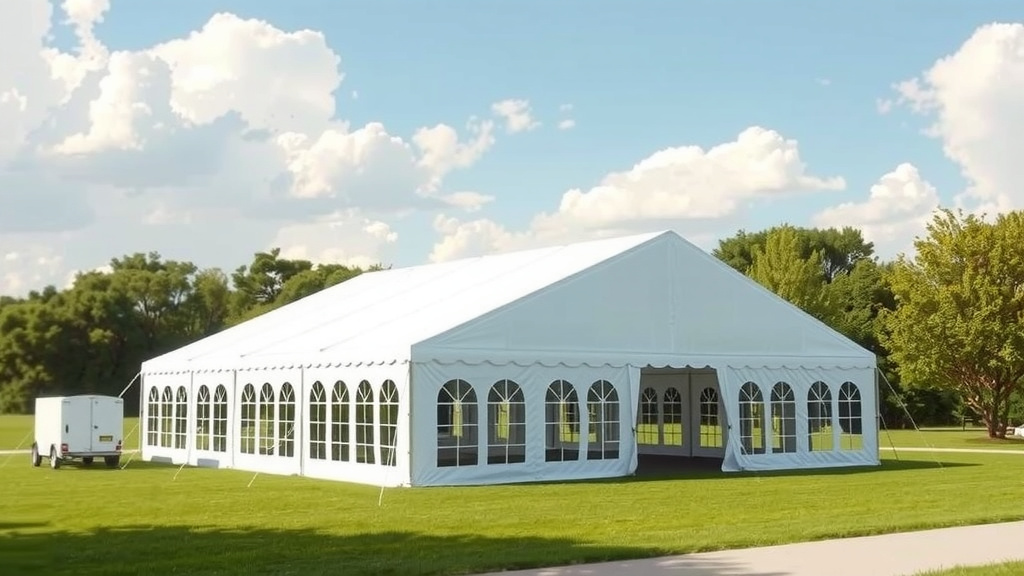
Freestanding vs Semi Freestanding Tents: Which is Right for You
When choosing a tent, understanding the difference between freestanding and semi-freestanding models is key. A A freestanding tent offers convenience and can be pitched almost anywhere without stakes.freestanding tent requires no external stakes to maintain its shape, making it easier to set up and move around, especially on hard ground. Semi-freestanding tents, while similar, need at least a few stakes to properly pitch their fly or add stability.
The choice really boils down to your camping style and preferred locations. If you often camp on rocky surfaces or sandy beaches where staking is difficult, a freestanding tent offers superior convenience. For ultralight backpackers, the added stability and tensioning a semi-freestanding design offers might be worth the extra few ounces and setup steps.
TL;DR:
- Freestanding tents stand up on their own.
- Semi-freestanding tents need stakes for full setup.
- Freestanding is easier to pitch and move.
- Semi-freestanding can be lighter and more stable.
- Choose based on your camping surface and priorities.
Let’s break down the pros and cons of each to help you pick the perfect shelter for your adventures.
“`htmlUnderstanding Freestanding vs. Semi-Freestanding Tent Designs
Choosing the right tent can feel like a big decision. You want something that works for where you camp. Freestanding and semi-freestanding tents offer different benefits. We’ve looked into how they work and what makes each one great.
Let’s dive into what sets them apart. This will help you decide which one fits your camping adventures best. Your shelter should feel like home, no matter how far you roam.
The Freestanding Tent: Your Self-Sufficient Shelter
A freestanding tent is like a tent that stands up by itself. Its poles create the structure. You don’t need to tie it down to keep its shape. Think of it as a small, portable room. You can set it up, move it around, and take it down with ease. This makes them super convenient for many campers.
When a Freestanding Tent Shines
These tents are champions on surfaces where staking is tough. Imagine camping on hard-packed dirt, gravel, or rocky ground. You might even find yourself pitching a tent on a sandy beach. Staking into these surfaces can be difficult, if not impossible. Freestanding tents solve this problem. You just pop them up, and they’re ready to go. This is a huge plus for ease of use.
Setup Simplicity
Setting up a freestanding tent is usually very straightforward. The pole system is designed to create tension. This holds the tent in its intended shape. You can often pitch the tent body first. Then, you can add the rainfly. This means you can get inside your tent quickly. You can even move it slightly after it’s up to find the perfect spot.
Portability and Repositioning
Need to shift your tent a few feet to get a better view? Or maybe you want to move it into the shade. With a freestanding tent, you can do this easily. You don’t have to worry about pulling out stakes or re-tensioning lines. This flexibility is a big advantage for many campers.
Potential Downsides of Freestanding Tents
While convenient, freestanding tents aren’t perfect for everyone. They often use more pole sections. This can add a bit of weight and bulk to your pack. The pole structure, while sturdy, can sometimes be less aerodynamic than a staked-down tent. High winds might require extra guylines for stability.
Weight Considerations
The internal pole structure can make freestanding tents heavier. This is especially true for larger tents or those designed for four-season use. Ultralight backpackers might find the extra weight a drawback. Every ounce counts when you’re carrying your home on your back.
Wind Stability
Because they don’t rely on stakes for their primary shape, freestanding tents can be more susceptible to wind. While many come with guylines, they might require more careful setup in windy conditions. You’ll want to ensure all guylines are properly tensioned and anchored.
The Semi-Freestanding Tent: A Hybrid Approach
Semi-freestanding tents offer a blend of features. They have a pole structure that gives them shape. But they also need some staking for full setup. Think of the main tent body as freestanding. Then, the rainfly or specific areas might need to be staked out.
Where Semi-Freestanding Tents Excel
These tents are a favorite among backpackers. They often achieve a good balance. You get some of the setup ease of a freestanding tent. You also get the stability and lighter weight often associated with fully non-freestanding designs.
Lighter Weight and Packability
Semi-freestanding tents typically use fewer poles. They might also use thinner, more flexible pole materials. This results in a lighter overall tent. They can also pack down smaller. This is a big win for anyone trying to pack efficiently.
Enhanced Stability with Stakes
While the inner tent might stand on its own, the rainfly is key. Pitching the rainfly correctly and staking it out adds significant stability. This creates a taut outer shell. This design offers better protection from wind and rain. Many experts recommend this for variable weather conditions (NCBI).
Setting Up a Semi-Freestanding Tent
The setup process is usually a bit more involved than a fully freestanding tent. You’ll likely pitch the inner tent first. Then, you’ll attach the rainfly. Finally, you’ll stake out the corners and guylines. This ensures the fly is taut and creates vestibule space.
The Two-Stage Setup
First, you set up the inner tent. The poles provide the structure. Then, you drape the rainfly over it. You’ll attach the fly to the inner tent. Often, this is done with clips or Velcro. The final step is staking out the fly. This creates tension and forms the vestibules.
Tensioning and Stability
Properly tensioning the guylines is critical. This pulls the rainfly away from the inner tent. This improves ventilation and keeps moisture out. It also makes the tent much more resistant to wind. It takes a little practice, but it’s worth the effort for the added security.
Choosing Your Ideal Tent: A Comparison
Deciding between freestanding and semi-freestanding comes down to your priorities. Think about where you usually camp and what matters most to you.
| Feature | Freestanding Tent | Semi-Freestanding Tent |
|---|---|---|
| Setup Ease | Very Easy, no stakes needed for shape | Easy, but stakes required for full pitch |
| Weight | Often heavier due to more poles | Generally lighter with fewer poles |
| Wind Stability | Good, but may need extra guylines | Excellent when properly staked |
| Camping Surface | Ideal for rock, sand, hard ground | Works well on most surfaces, excels with stakes |
| Pack Size | Can be bulkier | Typically more compact |
| Cost | Can be more expensive due to complex poles | Can be more affordable, or comparable |
Your Camping Style Matters
Are you a car camper who values convenience? Do you often set up camp on varied terrain? A freestanding tent might be your best bet. It offers simple setup and easy repositioning.
Are you a minimalist backpacker who counts every ounce? Do you often camp in areas where you can easily stake your tent? A semi-freestanding tent could be the perfect choice. It offers a great balance of weight, stability, and packability.
Key Questions to Ask Yourself
- What kind of ground do I usually camp on?
- How important is minimizing my pack weight?
- Do I need a tent that’s super quick and easy to set up?
- Will I be camping in windy conditions often?
- What’s my budget for a new tent?
By answering these questions, you’ll get closer to finding your ideal tent. Both types can offer excellent shelter. It’s just about finding the one that best matches your personal adventure style.
“`Conclusion
Choosing between a freestanding and semi-freestanding tent comes down to your personal camping style. Freestanding tents offer unbeatable ease of setup and flexibility on tricky terrain like rocks or sand. If you prioritize convenience and don’t mind a bit of extra weight, they’re a fantastic choice. Semi-freestanding tents, on the other hand, are often lighter and more stable when properly staked, making them a favorite for backpackers. Consider where you’ll be camping and what your pack weight priorities are. Your perfect shelter is out there; now you’re equipped to find it!
Frequently Asked Questions
Can I use guylines with a freestanding tent?
Yes, you absolutely can and often should. While a freestanding tent holds its shape on its own, guylines provide crucial extra stability in windy conditions. They help anchor your tent securely and prevent it from shifting or collapsing under strong gusts.
Which type of tent is better for beginner campers?
Freestanding tents are generally better for beginners. Their simple setup means less frustration. You can pitch them quickly without needing to worry about finding the perfect spot to stake everything down.
Are semi-freestanding tents difficult to set up in the rain?
They can be a bit more challenging than freestanding tents in the rain. The two-stage setup means you’ll likely pitch the inner tent first. If the rainfly isn’t attached quickly, your inner tent could get wet. Practice your setup beforehand to streamline the process.
Do semi-freestanding tents have vestibules?
Yes, most semi-freestanding tents feature vestibules. These are covered areas created by the rainfly that extend beyond the inner tent. They offer storage space for your gear and a place to cook in bad weather.
Is it worth it to get a freestanding tent if I mostly camp where I can stake it?
If you primarily camp on soft ground where staking is easy, a freestanding tent still offers advantages. You’ll appreciate its quick setup and the ability to easily reposition it. For car campers, the convenience often outweighs the slight weight penalty.
![7 Best Canopy Tent For Camping [2026]](https://leonardhomeoutdoor.com/wp-content/uploads/2026/08/7-best-canopy-tent-for-camping-2026-featured-768x432.jpg)
![7 Best Luxury Tents Camping [2026]](https://leonardhomeoutdoor.com/wp-content/uploads/2026/08/7-best-luxury-tents-camping-2026-featured-768x432.jpg)
![7 Best Rooftop Tent For Tacoma [2026]](https://leonardhomeoutdoor.com/wp-content/uploads/2026/09/7-best-rooftop-tent-for-tacoma-2026-featured-768x432.jpg)