Hard vs Soft Rooftop Tent: Which Is Right For You
Choosing between a hard shell and a soft shell rooftop tent often comes down to your priorities for adventure and convenience. Hard shell tents generally offer a faster setup and pack-down time, making them ideal for quick overnight stops. Soft shell tents, on the other hand, often provide more living space and can be more budget-friendly. It really depends on what matters most for your camping style.
We’ve found that the best choice for you hinges on factors like your typical trip length, how often you move camp, and your budget. Both types of rooftop tents provide a fantastic way to elevate your camping experience, getting you off the ground and closer to nature. Understanding their key differences will help you pick the perfect home away from home.
- Hard shell tents: Faster setup, more durable, better in wind.
- Soft shell tents: More interior space, typically lighter, often cheaper.
- Consider your trip type: Quick overnights vs. longer stays.
- Budget is a key factor in the decision.
- Think about how often you’ll be moving camp.
Below, we break down everything you need to know about hard vs. soft rooftop tents so you can make an informed decision for your next adventure.
“`htmlChoosing Your Adventure: Hard vs. Soft Shell Rooftop Tents
So, you’re dreaming of sleeping under the stars, elevated above the critters and morning dew. That’s where rooftop tents (RTTs) shine! But then you hit a fork in the road: hard shell or soft shell? This decision really boils down to what kind of camper you are. Let’s break down the key differences to help you find your perfect match.
Understanding the Hard Shell Advantage
Think of a hard shell tent as a sleek, aerodynamic suitcase for your roof. When it’s closed, it offers a low profile and great protection. These tents are fantastic for many reasons. Many people choose them for their **speed and durability**.
Setup and Pack-Down Speed
One of the biggest draws of a hard shell is how quickly you can get it set up. Pop it open, and it’s ready to go in minutes. Packing it down is just as fast. We found that many models can be fully set up or stowed in under a minute. This is a huge win if you’re doing a lot of quick overnight stops. Imagine rolling into camp late after a long day of hiking. You want to be in your sleeping bag, not wrestling with canvas. Hard shells deliver that **immediate comfort**.
Durability and Weather Resistance
The hard shell itself is usually made of strong materials like ABS plastic or aluminum. This makes it incredibly resistant to dings and scrapes from branches on the trail. Many experts agree that this solid construction also means they handle **wind and rain better** than their soft counterparts. The aerodynamic shape helps cut through the wind, reducing noise and sway. This is a big deal when you’re camping in exposed areas or expect stormy weather.
Protection from the Elements
When closed, the hard shell provides excellent protection for the tent fabric and your gear inside. It’s like a secure vault on your roof. This means less worry about dirt, dust, and moisture damaging your tent while you’re driving. You’re essentially protecting your investment from the **harsh realities of travel**.
Exploring the Soft Shell Appeal
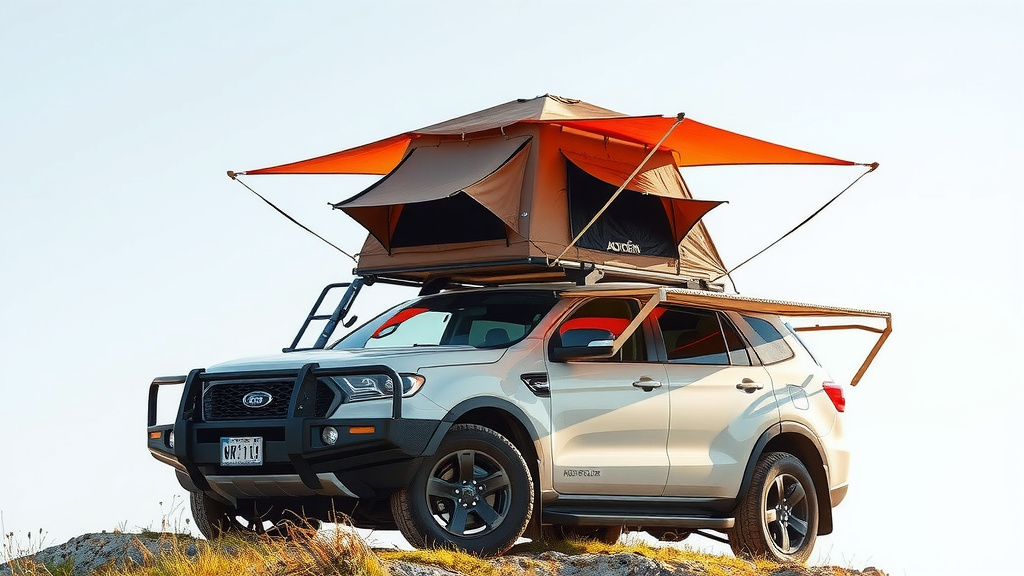
Soft shell tents often look more like traditional ground tents but are designed to mount to your vehicle’s roof rack. They typically unfold outwards, creating a living space. Their main selling points are often their **spaciousness and affordability**.
More Room to Stretch Out
One of the most noticeable benefits of a soft shell is the interior space. Because they unfold outwards and often have extended awnings, they tend to offer a larger footprint. This can feel much more like a traditional campsite, with room for a small sitting area or just more legroom. If you enjoy spending time inside your tent or need space for gear, a soft shell might be your **ideal choice**.
Lighter Weight and Lower Profile Options
Generally speaking, soft shell tents are often lighter than hard shells. This can be important if your vehicle has a lower roof load capacity or if you have a smaller SUV or car. Some soft shells also have a lower profile when closed, meaning they don’t stick up as much. This can lead to slightly better fuel economy on your drives. Plus, a lighter tent is often **easier to mount and dismount** if you need to take it off your vehicle regularly.
Budget-Friendly Camping
When comparing prices, soft shell tents usually come in at a lower price point than hard shells. If you’re just getting into rooftop camping or have a tighter budget, a soft shell can be a fantastic way to experience the convenience without breaking the bank. You can get a great tent and still have funds left over for other **adventure gear**.
Key Differences Summarized
To help you visualize, let’s put some of the main distinctions side-by-side. This comparison can make the choice much clearer for your specific needs.
| Feature | Hard Shell Tent | Soft Shell Tent |
|---|---|---|
| Setup Time | Very Fast (under 1 minute) | Slightly Slower (1-5 minutes) |
| Space Inside | Typically Compact | Often More Spacious |
| Durability | High (hard shell protects fabric) | Moderate (fabric exposed when driving) |
| Weight | Heavier | Lighter |
| Price | Higher | Lower |
| Wind Resistance | Excellent | Good |
Factors to Consider for Your Camping Style
Now, let’s think about how you actually use your adventures. Your personal camping habits are the biggest clue to which tent will make you happiest.
How Often Do You Move Camp?
If you’re a traveler who likes to hit multiple spots in a short time, the speed of a hard shell is a major advantage. Think of a road trip where you’re camping one night here, one night there. You’ll appreciate being able to deploy and stow your tent with minimal fuss. Conversely, if you tend to set up camp and stay put for several days, the setup time difference might be less critical. A soft shell’s extra space might be more appealing for a longer stay.
What’s Your Typical Trip Length?
For weekend warriors and those who need to be efficient, hard shells often win. They allow you to maximize your adventure time by minimizing setup and teardown. If your trips are longer and you prioritize comfort and space over speed, a soft shell could be the better fit. You might enjoy having more room to spread out, especially if you’re camping with family or friends.
What Kind of Weather Do You Encounter?
If you often camp in windy areas or anticipate rain, a hard shell’s robust construction and aerodynamic design can provide superior comfort and security. Many users report that hard shells are quieter in high winds. Soft shells can also perform well, but their fabric awnings might require more attention in rough weather. Always check the weather forecast and be prepared for the conditions you expect.
What’s Your Budget?
Let’s be honest, cost is a big factor for most of us. Hard shell tents are generally a more significant investment upfront. If you’re looking to get into rooftop tenting without spending a fortune, a soft shell is likely the more accessible option. Many found that a good quality soft shell tent can still provide an amazing camping experience for a fraction of the cost of a hard shell.
Your Pre-Purchase Checklist
Before you make the final decision, run through this quick checklist. It can help solidify what’s most important for your adventures.
- Do you need the fastest possible setup?
- Is maximizing interior space a top priority?
- How important is extreme durability and wind resistance?
- What is your realistic budget for a rooftop tent?
- How often do you plan on moving camp during a trip?
- What kind of vehicle will you be mounting the tent on?
Conclusion
Choosing between a hard shell and a soft shell rooftop tent boils down to your adventure style. If speed, durability, and weather resistance are your top priorities, a hard shell is likely your best bet, especially for frequent moves or challenging conditions. For those prioritizing living space and a lighter footprint on your wallet, a soft shell offers excellent value and comfort. Think about how often you’ll be setting up camp and the kind of trips you plan. Your ideal tent is out there; now it’s time to make the choice that fits your journey best. Start by reviewing your trip needs and budget, and you’ll be ready to purchase!
Frequently Asked Questions
Can a soft shell tent be as durable as a hard shell?
Soft shell tents can be very durable, but their fabric is more exposed when driving, making it susceptible to damage from branches or debris. Hard shells offer superior protection for the tent material itself. We found that for extreme ruggedness, hard shells generally have an edge.
Are soft shell tents harder to set up than hard shells?
Yes, soft shell tents typically take a bit longer to set up and pack down than hard shells. While hard shells can often pop open and close in under a minute, soft shells usually require unfolding fabric and setting up poles, taking a few minutes longer.
Which type of tent is better for fuel efficiency?
Hard shell tents, due to their sleek, aerodynamic profile when closed, tend to have a slight advantage in fuel efficiency. Soft shells can sometimes create more drag. However, the difference is often minimal and depends heavily on the specific tent design and vehicle.
Do soft shell tents offer more ventilation?
Many soft shell tents offer excellent ventilation with multiple windows and mesh panels, similar to traditional ground tents. While hard shells also have good ventilation, the larger unfolding design of some soft shells can sometimes lead to a more open and airy feel when set up.
Is a hard shell tent worth the extra cost for occasional campers?
For occasional campers, a hard shell’s extra cost might not be justified unless you prioritize its specific benefits like rapid setup or extreme durability. A good quality soft shell tent can provide a fantastic rooftop camping experience for less, making it a more practical choice if you don’t camp frequently or move camp often.


![7 Best Bell Tent For Glamping [2026]](https://leonardhomeoutdoor.com/wp-content/uploads/2026/08/7-best-bell-tent-for-glamping-2026-featured-768x432.jpg)