
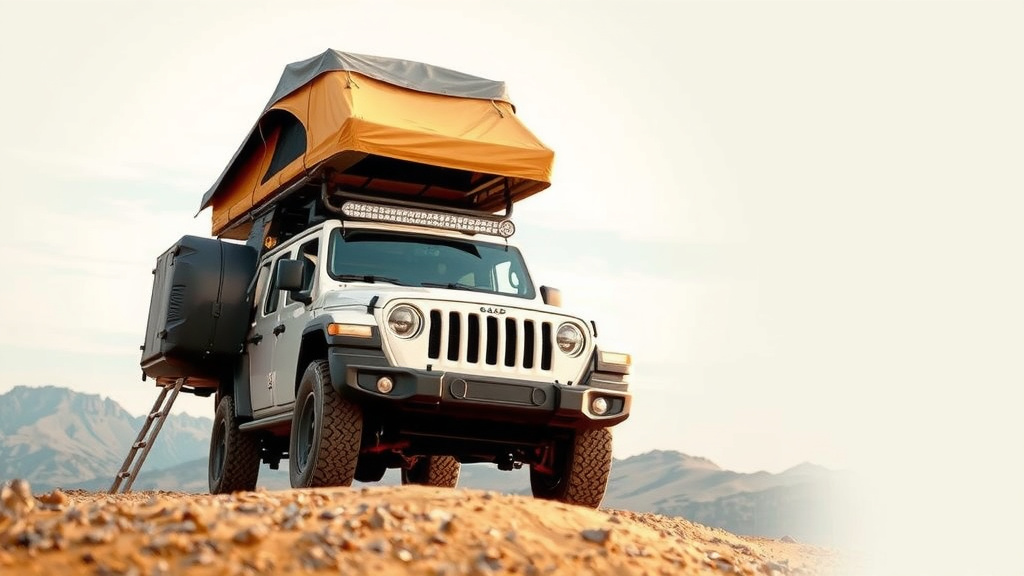
Hardshell vs Softshell Rooftop Tent: Which Is Best For You
Choosing between a hardshell and softshell rooftop tent depends on your priorities for durability, setup speed, and budget. Hardshell tents offer superior protection from the elements and quicker deployment, while softshells are generally more affordable and compact. Think of it as choosing between a sturdy, quick-deploy bunker and a more versatile, adaptable shelter for your adventures.
Both types of rooftop tents attach to your vehicle’s roof rack, transforming your car into a mobile basecamp. They allow you to camp just about anywhere your vehicle can go. We found that understanding the key differences in materials and design is vital for making the right choice for your travel style. Your decision will impact your comfort and convenience on the road.
TL;DR:
- Hardshells are tougher and faster to set up.
- Softshells are typically cheaper and smaller.
- Both let you camp anywhere your car goes.
- Consider your budget and setup speed needs.
- Hardshells protect better from harsh weather.
Let’s break down exactly what makes each tent type unique so you can pick the perfect one for your next adventure.
You’re ready to hit the road and camp in awesome, remote spots. That’s fantastic! But first, you need the right rooftop tent. We get it; the hardshell versus softshell decision can feel a bit overwhelming. Let’s break down what each type brings to the table so you can feel confident in your choice. Your perfect adventure setup is waiting!
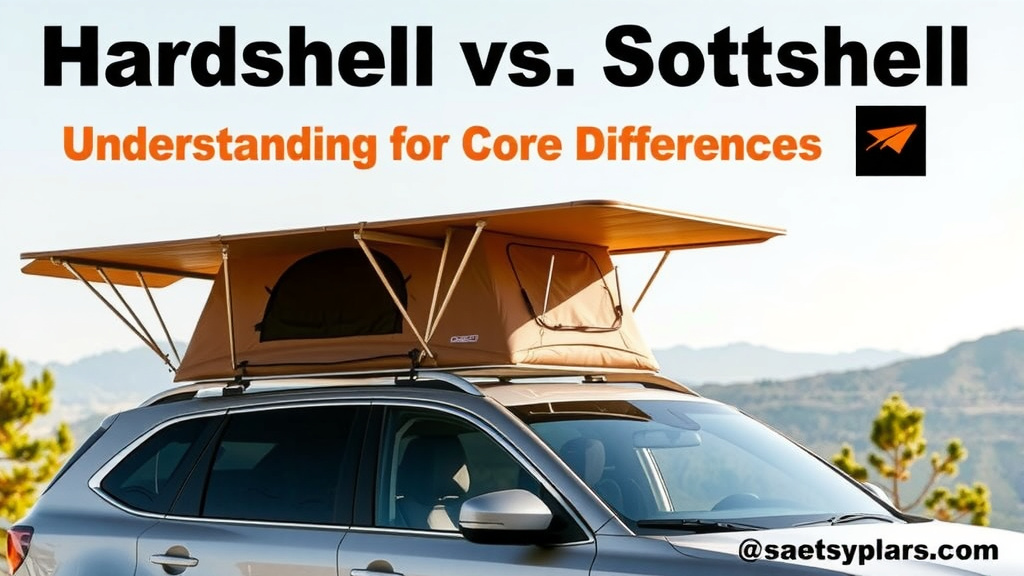
Hardshell vs. Softshell: Understanding the Core Differences
Choosing the right rooftop tent boils down to a few key factors: how quickly you want to set up camp, how much protection you need from the elements, and your budget. Each type offers a unique camping experience.
Hardshell Rooftop Tents: Built Tough and Ready Fast
Imagine arriving at your campsite after a long day of driving. You want to relax, not wrestle with your tent. That’s where hardshell tents shine. They’re designed for speed and durability. They usually pop open with a simple lift or by releasing latches, often deploying in under a minute.
Construction and Durability
Hardshells get their name from their rigid outer casing, typically made from fiberglass, ABS plastic, or aluminum. This tough exterior is fantastic for protecting the tent fabric and its contents when the tent is closed. It also offers excellent protection from heavy rain, wind, and even hail. We found that this makes them a great choice for areas with unpredictable weather.
Setup and Takedown Speed
The biggest draw for many is the setup speed. Most hardshells use a gas strut system. You simply release a latch, and the lid pops open, unfurling your tent. Packing up is just as straightforward: collapse the fabric, close the lid, and secure the latches. This quick deployment means less time setting up and more time enjoying your surroundings.
Pros and Cons of Hardshells
- Pros: Ultra-fast setup and takedown, superior weather protection, very durable, can often mount gear on top of the closed shell.
- Cons: Generally more expensive, can be bulkier and heavier, may have a smaller interior footprint compared to some softshells.
Softshell Rooftop Tents: Versatile and Budget-Friendly
Softshell tents offer a more traditional tent feel but with the convenience of being mounted on your vehicle. They are often the more affordable option and tend to be lighter and more compact when packed away. Think of them as a tent that happens to live on your roof.
Materials and Design
These tents are constructed from fabric, usually a durable canvas or nylon, that folds down into a bag or cover. When deployed, they extend outwards, creating sleeping space. The fabric construction is generally breathable and comfortable. While not as rigid as hardshells, good quality softshells still offer excellent protection for most camping conditions.
Setup Process
Setting up a softshell involves unfolding the tent fabric and then typically using an attached ladder to push out the support poles. This process usually takes a bit longer than a hardshell, often ranging from 5 to 15 minutes. We found that it’s not difficult, just requires a few more steps. Packing them up involves carefully folding the fabric to fit back into its cover.
Pros and Cons of Softshells
- Pros: More affordable, lighter and more compact when closed, often offer larger interior space for their size, can be more aerodynamic on your vehicle.
- Cons: Slower setup and takedown, less protection in severe weather, fabric can be more susceptible to damage over time.
Key Features to Compare
Beyond the shell, several features impact your camping comfort and convenience. Let’s look at what truly matters when you’re deciding between the two.
Weather Resistance
Hardshells generally win in this category. Their rigid structure and sealed design offer superior defense against wind and rain. Many are built to withstand serious storms. Softshells, while good, might struggle a bit more in extreme conditions. They rely on sturdy poles and quality fabric to keep you dry and sheltered. Many guidelines suggest that for frequently camping in harsh weather, a hardshell is often a better investment (National Park Service).
Durability and Longevity
The tough exterior of a hardshell protects the tent components and fabric while driving and when parked. This can lead to a longer lifespan for the tent itself. Softshells, with their fabric covers, can be more prone to wear and tear from UV rays, road debris, and the elements over many years. However, with proper care and maintenance, both types can last a long time.
Size and Space
This can vary greatly by model. However, many softshell tents, when opened, offer a larger floor area for their packed size compared to hardshells. This can mean more room for sleeping, gear, or even a furry friend. Hardshells, while often snug, prioritize efficient packing and quick deployment. Some larger hardshell models do exist, but they come with a higher price tag and weight.
Aerodynamics and Fuel Efficiency
When closed, hardshell tents often have a lower profile, which can be more aerodynamic. This might translate to slightly better fuel efficiency on long drives compared to the bulkier shape of a packed softshell. This is a minor consideration for many, but it can add up on extended road trips.
Making Your Choice: A Quick Checklist
Still weighing your options? Ask yourself these questions. Your answers will point you toward the right type of tent.
- Do you prioritize setting up camp in under two minutes? (Hardshell is likely your winner.)
- Is your budget a primary concern? (Softshells are typically more budget-friendly.)
- Do you often camp in areas with extreme weather conditions? (Hardshells offer better protection.)
- Do you need the absolute maximum interior space for the size of the tent? (Softshells might have an edge.)
- Do you want a tent that’s easier to store gear on top of when closed? (Hardshells excel here.)
- How much time are you willing to spend on setup and takedown each day? (Hardshells are faster.)
By considering these points, you’ll be well on your way to choosing the rooftop tent that best suits your adventures. It’s all about matching the tent to your travel style!
Conclusion
You’ve explored the core differences between hardshell and softshell rooftop tents. Hardshells offer unmatched speed and rugged protection, ideal for unpredictable weather and quick setups. Softshells provide a more budget-friendly and often more spacious option, perfect for those who don’t mind a slightly longer setup time. We’ve seen how construction, deployment, and weather resistance stack up. Now, consider your typical camping environment and how much time you want to spend setting up camp. Your next adventure is just a tent choice away!
Frequently Asked Questions
Are hardshell tents truly waterproof?
Yes, well-constructed hardshell tents generally offer excellent waterproofing. Their rigid shells and sealed designs are built to keep rain and wind out effectively, often surpassing the protection of softshell tents in severe weather conditions. We found this makes them a reliable choice for serious adventurers.
Can I store gear on top of a closed softshell tent?
Generally, it’s not recommended to store significant gear on top of a closed softshell tent. The fabric cover isn’t designed for heavy loads, and doing so could damage the tent material or affect its ability to pack down properly. Hardshells, with their solid lids, are much better suited for carrying items like kayaks or extra storage boxes.
Which type of rooftop tent is better for beginners?
For absolute beginners prioritizing ease of use and speed, a hardshell tent might be slightly simpler due to its quick deployment system. However, softshell tents are also quite straightforward to set up and are often more forgiving on a beginner’s budget, making them a great starting point too. It really depends on your budget and how fast you want to get to relaxing.
How much wind can each type of tent withstand?
Hardshell tents typically handle higher winds better due to their rigid construction and lower profile when closed. Their strong frames and secure mounting systems offer superior stability. Softshell tents can be affected more by strong gusts, though good quality ones with sturdy poles and taut fabric can still perform well in moderate winds.
Do softshell tents take up less space on my roof rack?
When packed, softshell tents are often more compact and lighter than hardshell tents. This can lead to better aerodynamics and potentially improved fuel efficiency during travel. Their lower profile when closed means they might not stick out as much from your vehicle.
![7 Best Budget Rooftop Tent [2026]](https://leonardhomeoutdoor.com/wp-content/uploads/2026/08/7-best-budget-rooftop-tent-2026-featured-768x432.jpg)