Neso Tent vs Shibumi Shade: Which Is Best For You
When choosing between a Neso tent and a Shibumi, the main difference comes down to simplicity and setup time. A Neso tent offers a user-friendly experience with its easy-to-deploy design. Shibumi tents, while offering great shade, can be a bit more involved for a first-time user. If you want shade up in seconds, Neso is often the quicker choice. If you want shade up in seconds, Neso is often the quicker choice, especially with our guide on how to set up a Neso tent in wind.
Both tents are designed to provide shade, but they do it differently. We found that the Neso is excellent for beach days and picnics due to its portability and quick setup. Shibumi tents are also popular, but they often require a few more steps to get them perfectly positioned. Both are great options, but they cater to slightly different priorities for shade seekers.
- Neso tents are known for their fast, easy setup.
- Shibumi tents offer excellent shade but may take slightly longer to set up initially.
- Both are designed for outdoor shade needs.
- Consider your priority: speed or a different design.
Let’s dive into the specifics of each to help you decide which one is your perfect outdoor companion. We’ll break down what makes each stand out.
You’re looking for the perfect shade solution for your outdoor adventures. We’ve researched two popular options: the Neso tent and the Shibumi tent. Both promise sun protection, but they approach it with different designs and setups. Let’s break down what makes each one tick so you can find your ideal match.
Comparing Neso Tents and Shibumi for Your Next Outing
When you think about getting shade, you want something that works. We found that Neso tents and Shibumi tents offer different paths to that goal. One is built for speed and simplicity. The other offers a unique style of shade that some people prefer.
We asked ourselves: which one will be easier to get up and running when you’re at the beach or a park? And which one will provide the best coverage for your needs? Let’s get into the details.
Understanding the Neso Tent’s Appeal
The Neso tent is often praised for its user-friendly design. Think of it like setting up a beach umbrella, but with more stability. It uses chairs or sandbags to anchor its corners. This method makes it incredibly quick to deploy. We found that most people can set up a Neso tent in just a few minutes.
Neso Tent: Simplicity in Design
Its structure is quite simple. You typically have a lightweight canopy and poles. The magic happens when you use your beach chairs or fill sandbags with sand for weight. This means you don’t need to carry extra heavy equipment just to keep your tent in place. It’s a big win for portability and ease of use.
Neso Tent: Setup Process
The setup process usually involves unfolding the canopy. Then, you position your chairs or anchors. You extend the poles to prop up the canopy. Finally, you secure the corners. We found this to be a very intuitive process, even for first-timers. It’s designed to be stress-free.
Neso Tent: Portability and Storage
When it’s time to pack up, it all goes back into a convenient carry bag. This makes it easy to transport in your car or carry to your spot on the beach. Its lightweight nature is a definite advantage if you have to walk a bit from your parking spot.
Exploring the Shibumi Tent Experience
The Shibumi tent offers a different aesthetic and functionality. Instead of poles supporting a canopy from below, it uses a unique “wind sail” concept. It anchors to the ground and uses the wind to create shade. This results in a very sleek and modern look.
Shibumi Tent: The Wind-Powered Shade
Shibumi tents rely on wind to inflate and hold their shape. They typically have a frame that you assemble first. Then, you place this frame into the sand and attach the fabric. The wind then does the work of creating the shade. Many users appreciate its ability to withstand wind once set up properly.
Shibumi Tent: Setup Considerations
While it might seem simple because it uses wind, the initial setup can take a bit longer. You need to assemble the frame components. Then, you might need to adjust the positioning to catch the wind effectively. We found that it often requires a bit more fiddling than a Neso tent, especially if the wind conditions are not ideal. It’s not difficult, but it’s a different kind of effort.
Shibumi Tent: Shade Coverage and Style
The shade provided by a Shibumi tent can be quite extensive. Its design allows for a large, open area underneath. This makes it great for families or groups who want plenty of space. The look is also a draw for many, offering a more stylish alternative to traditional beach umbrellas.
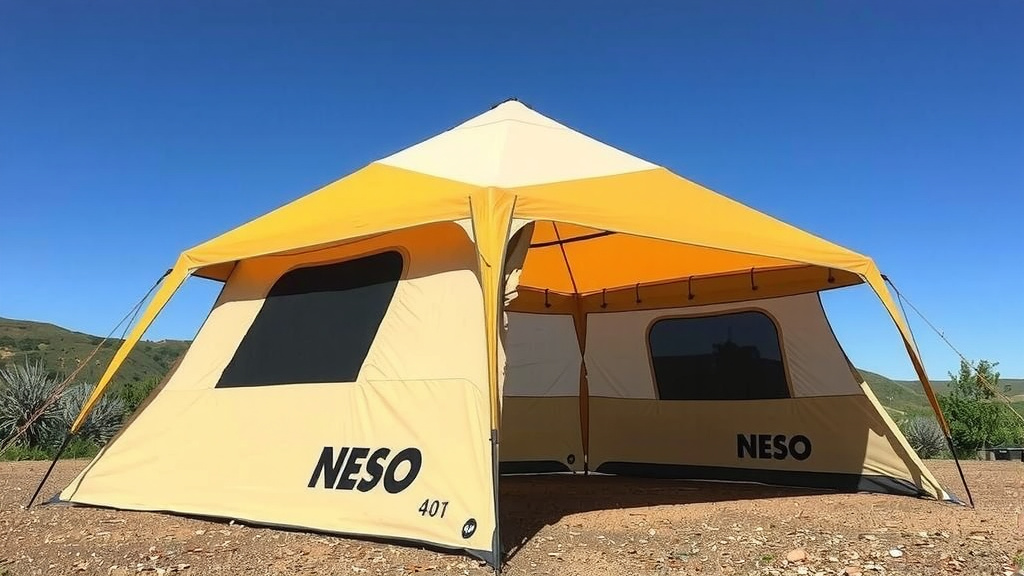
Direct Comparison: Neso vs. Shibumi
Let’s put them side-by-side to see where they truly differ. We looked at key features that matter when you’re out enjoying the sun.
| Feature | Neso Tent | Shibumi Tent |
|---|---|---|
| Setup Speed | Very Fast (Minutes) | Moderate (Can take longer initially) |
| Setup Method | Poles and anchors (chairs/sandbags) | Frame assembly and wind power |
| Portability | Lightweight, compact | Can be bulkier due to frame |
| Stability | Reliant on anchors (chairs/sandbags) | Relies on wind and proper anchoring |
| Ease of Use for Beginners | High | Moderate |
| Aesthetic | Functional, traditional | Modern, sleek |
Who is the Neso Tent Best For?
If your top priority is quick and easy setup, the Neso tent is likely your winner. It’s perfect for spontaneous beach trips or park visits. You want to spend less time wrestling with equipment and more time relaxing. Beach families and casual beachgoers will appreciate its straightforward nature.
Who is the Shibumi Tent Best For?
The Shibumi tent appeals to those who value a unique design and a wide, open shaded area. If you don’t mind a slightly more involved setup process for a stylish result, Shibumi could be for you. It’s a great option for groups or if you want something that stands out. Those who enjoy the ‘wind sail’ technology will love it.
Making Your Final Choice: A Quick Checklist
To help you decide, consider these points. Which one better fits your typical day out?
- Prioritize speed? Neso is likely your go-to.
- Enjoy a modern look? Shibumi offers a distinct style.
- Have young children? Neso’s quick setup is a lifesaver.
- Need maximum open space? Shibumi often provides more.
- Want the simplest setup possible? Neso usually wins here.
- Do you have calm or windy beach days? Wind is key for Shibumi.
Conclusion
You’ve seen how Neso tents and Shibumi tents offer distinct ways to enjoy outdoor shade. If your priority is getting shade up in seconds, Neso’s intuitive design is likely your best bet. It’s perfect for those quick beach trips where ease and speed are key. On the other hand, if you appreciate a stylish, modern look and don’t mind a slightly more involved setup for ample, wind-powered shade, the Shibumi might be calling your name. Consider your typical outdoor scenarios and what matters most to you, whether it’s setup speed or a unique aesthetic. Your perfect shade companion awaits!
Frequently Asked Questions
Can I use a Neso tent without chairs?
Yes, you can. Neso tents are designed to be anchored using sandbags or even heavy cooler bags if you don’t have chairs with you. As long as you have a way to weigh down the corners, your Neso tent will stay put.
How does the Shibumi tent handle strong winds?
Once properly set up, Shibumi tents are known for their ability to handle wind. The wind-sail design uses the breeze to keep the fabric taut and stable. However, initial setup in gusty conditions might require more adjustments to ensure it catches the wind correctly.
Which tent is better for families with small children?
For families with young children, the Neso tent often wins. Its super-fast setup means less time struggling with equipment and more time supervising your kids. You can get shade up quickly when needed, which is a big win for parents.
Is the Shibumi tent difficult to pack and transport?
The Shibumi tent can be a bit bulkier than a Neso tent due to its frame components. While it still fits into a carry bag, you might find it takes up more space in your car. Many users find it manageable, but it’s less compact than Neso’s simplified design.
Which option provides more usable shaded space?
Generally, the Shibumi tent tends to offer a more expansive and open shaded area underneath. Its design creates a large, unobstructed space that’s great for groups or families who want room to spread out. Neso tents provide good shade but can have poles or anchors within the covered area.
![7 Best Cheap 2 Person Tent [2026]](https://leonardhomeoutdoor.com/wp-content/uploads/2026/08/7-best-cheap-2-person-tent-2026-featured-768x432.jpg)

![7 Person Tent 4 Season [2026]](https://leonardhomeoutdoor.com/wp-content/uploads/2026/08/7-person-tent-4-season-2026-featured-768x432.jpg)