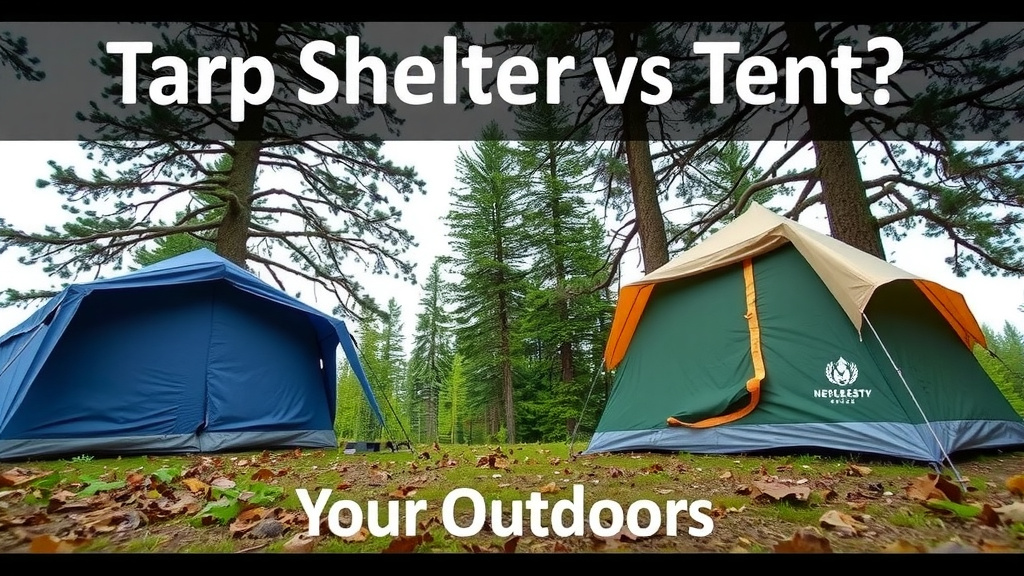
Tarp Shelter vs Tent: Which Is Best for Your Outdoors
Choosing between a tarp shelter and a tent depends on your priorities: weight, protection, and simplicity. A tarp shelter offers the lightest, most basic protection, while a tent provides more enclosed security and bug protection.
When planning your outdoor adventure, you’ll likely consider these two common options for staying dry and safe. We found that understanding their core differences helps you pick the right one for your needs, whether you’re backpacking or car camping.
- Tarp shelters are ultralight and versatile.
- Tents offer better bug protection and privacy.
- Tarps require more skill to set up effectively.
- Tents are generally easier to pitch for beginners.
- Your trip’s conditions will guide your choice.
Let’s break down what makes each unique and help you decide which is best for your next trip outdoors!
Tarp vs. Tent: Which Shelter is Right for Your Outdoors?
So, you’re planning an outdoor trip and wondering about your shelter options. Tarp shelters and tents are the two main players. We’ve looked into them, and the biggest difference comes down to protection versus simplicity. Your choice really depends on what you need most.
If you’re aiming for the absolute lightest pack and don’t mind a bit more setup, a tarp might be your friend. If you want more enclosed comfort and bug-free nights, a tent is probably the way to go. Let’s get into the nitty-gritty of what makes each one tick.
Understanding Tarp Shelters
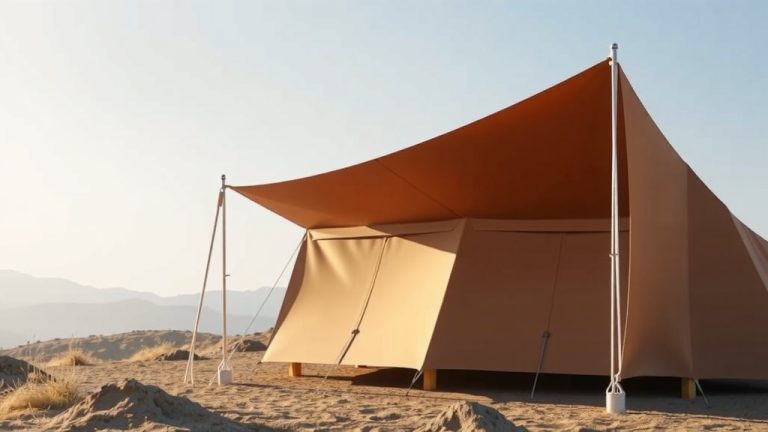
A tarp shelter is essentially a piece of waterproof fabric. You use poles, trees, or stakes to set it up. Think of it as a customizable roof over your head. This makes it super For ultralight options, you might consider a trekking pole tent.flexible for different camping spots and weather.
The Allure of Ultralight Simplicity
One of the biggest wins for tarps is their weight. They are often much lighter than traditional tents. This is a huge deal if you’re hiking long distances or carrying everything on your back. Less weight means more energy for the fun parts of your trip!
Versatility in Design
You can pitch a tarp in countless ways. Need more bug protection? Angle it lower. Facing strong winds? Pitch it tight and low. Want a big open living space? Spread it wide. This adaptability is its superpower. Many backpackers love this freedom to experiment with setups.
What to Expect with a Tarp
Setting up a tarp effectively takes practice. You need to learn how to tie knots and use guy lines to make it stable. It won’t offer the same level of protection from crawling insects as a tent. And, depending on your setup, it might not keep out every single raindrop if the wind drives it in.
Exploring the Benefits of Tents
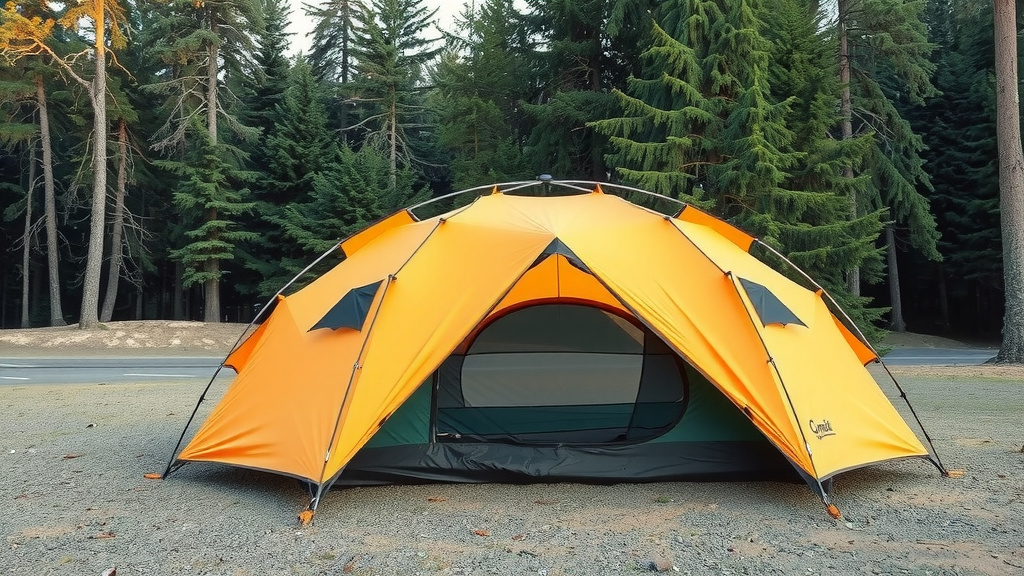
Tents are what most people picture when they think of camping. They usually have a waterproof flysheet, a mesh inner for ventilation and bug protection, and a floor. They’re designed to be a self-contained living space.
Built-in Protection
The most obvious advantage of a tent is its enclosed nature. The mesh inner walls keep out mosquitoes, flies, and other creepy crawlies. This means a more comfortable and peaceful sleep, especially in buggy areas. You also get better protection from wind and driving rain.
Ease of Setup for Beginners
Most modern tents are designed for quick and easy setup. They often use a pole system that’s color-coded or easy to connect. This makes them a great choice for campers who are new to the outdoors or prefer a hassle-free experience. You can usually get a tent up in just a few minutes.
Privacy and Comfort
A tent offers a sense of privacy that a tarp generally can’t match. You have your own enclosed space. It feels more like a home away from home. This can be important for changing clothes or just having a quiet moment to yourself.
Tarp Shelter vs. Tent: Key Differences at a Glance
Let’s put their main features side-by-side. This can help you see where each one shines.
| Feature | Tarp Shelter | Tent |
|---|---|---|
| Weight | Ultralight | Moderate to Heavy |
| Setup Skill | Requires practice | Generally easy |
| Bug Protection | Minimal to none | Excellent |
| Weather Protection | Good, but dependent on setup | Excellent |
| Versatility | High (many pitches) | Moderate (fixed design) |
| Privacy | Low | High |
| Cost | Can be very affordable | Wide range, often more expensive |
When to Choose a Tarp
You should lean towards a tarp if you’re an experienced ultralight backpacker. Your main goal is to save every ounce. You also need to be comfortable with variable weather and potential bugs. If you enjoy tinkering with setups and have mastered knot-tying, a tarp offers incredible freedom.
When a Tent Makes More Sense
A tent is a better pick if you’re new to camping. You want reliable bug protection. You’re camping in areas known for lots of insects. Or, you simply prefer the convenience and comfort of an enclosed shelter. For family trips or car camping, tents are often the easiest choice.
Making Your Final Decision Checklist
To help you decide, run through these quick questions:
- How much weight can you comfortably carry?
- How important is bug protection to you?
- Are you comfortable with a bit of setup challenge?
- What kind of weather will you likely encounter?
- Do you need a private space to change or relax?
- How much time do you want to spend pitching your shelter?
Conclusion
Choosing between a tarp shelter and a tent boils down to your specific camping style and priorities. If you’re an ultralight enthusiast focused on saving weight and enjoy the challenge of a versatile setup, a tarp offers incredible freedom. For beginners, those prioritizing bug-free comfort, or anyone wanting a simple, enclosed space, a tent is likely your best bet. Before your next adventure, ask yourself what matters most: ounces saved or ounces of comfort? Weigh these factors, and you’ll pick the shelter that makes your trip truly enjoyable.
Frequently Asked Questions
Can I use a tarp as a primary shelter in rainy weather?
Yes, a well-pitched tarp can offer good protection from rain. However, its effectiveness depends on your setup skills and the wind’s direction. You’ll need to ensure it’s taut and angled correctly to channel water away.
Are tarps really that much lighter than tents?
Generally, yes. Tarp shelters often weigh significantly less because they are just a piece of fabric, sometimes with a few poles or cordage. Tents have more components like poles, a full fly, and a floor, adding to their overall weight.
Is a tarp shelter safe from animals?
A tarp shelter offers minimal protection from animals. It doesn’t have a floor or fully enclosed walls like a tent. For areas with wildlife concerns, you’d need to practice proper food storage and site selection regardless of your shelter type.
How do I choose the right size tarp for camping?
Consider how many people will be using it and how much gear you need to store under cover. A common size for solo campers is around 8×10 feet, while larger groups or those wanting more space might opt for 10×12 feet or bigger.
Can I add bug netting to a tarp setup?
Yes, you can create a bug-free zone with a tarp. Some people incorporate a separate bug net that hangs inside the tarp’s coverage. Others use specialized tarp designs that include integrated mesh panels.
![7 Best Tent For Large Family [2026]](https://leonardhomeoutdoor.com/wp-content/uploads/2026/09/7-best-tent-for-large-family-2026-featured-768x432.jpg)