
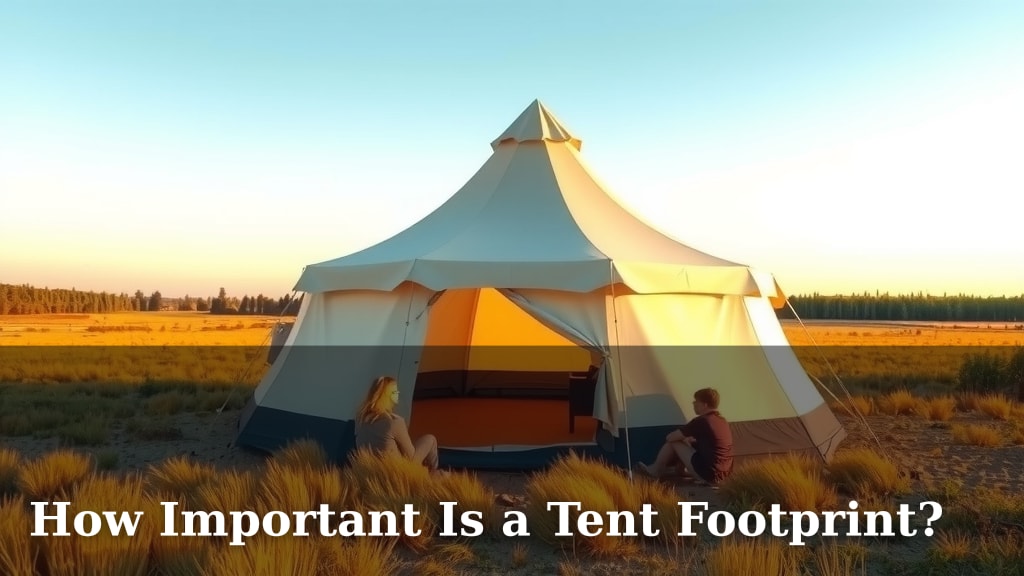
How Important Is a Tent Footprint?
Yes, a tent footprint is very important for protecting your tent. It acts as a groundcloth to prevent tears and punctures. Think of it as a protective layer for your tent’s floor.
Using a footprint can also help keep your tent cleaner. It adds an extra barrier against dampness and dirt. Many campers find it a worthwhile investment for their gear.
- Tent footprints are essential for protecting your tent floor.
- They prevent damage from rocks and sharp objects.
- A footprint also helps keep your tent drier and cleaner.
- It can extend the lifespan of your tent significantly.
- It’s a simple addition that makes a big difference.
Let’s walk through exactly why this simple piece of gear deserves a spot in your camping kit.
Why Your Tent Needs an Extra Layer of Defense
You’ve invested in a great tent. Now, how do you keep it in tip-top shape? We found that a tent footprint is your tent’s best friend. It’s like a shield. This simple ground cloth does more than just sit there. It actively protects your shelter.
The Hard Truth About Tent Floors
Tent floors are tougher than they look. But they aren’t invincible. Think about where you set up camp. You might be on a lovely, soft grassy patch. Or maybe you’re on a campsite with a few forgotten pebbles. Even tiny bits of **sharp grit** can cause micro-tears. Over time, these small issues become big problems. A footprint acts as a buffer against these **unseen dangers**.
Preventing Punctures and Tears
Camping often means setting up on less-than-perfect terrain. Pine needles, twigs, and small rocks are common. Your tent floor takes a beating from these. A footprint is usually made of a more durable material. It’s designed to withstand abrasion. We found that it takes the brunt of the rough stuff. This means your tent’s floor stays **intact and strong**.
Keeping Moisture at Bay
Ground moisture is a camper’s enemy. Dew forms overnight. Rain can make the ground damp. Your tent floor is a barrier, but it can get saturated. A footprint adds an extra layer. It keeps the direct contact with wet ground from happening. We found this makes a big difference in how **dry your tent stays**. It’s an extra line of defense against soggy sleeping bags.
Maintaining a Clean Campsite
Who likes packing up a muddy tent? Nobody. A footprint can help keep the inside of your tent cleaner. When you pack up, you can simply fold the footprint inward. This contains most of the dirt and debris. You’re left with a much **cleaner tent to store**. It saves you a lot of scrubbing later.
Choosing the Right Footprint for You
Not all footprints are created equal. There are a few things to consider. Getting the right size and type ensures it does its job effectively. Let’s look at your options.
Size Matters: A Perfect Fit
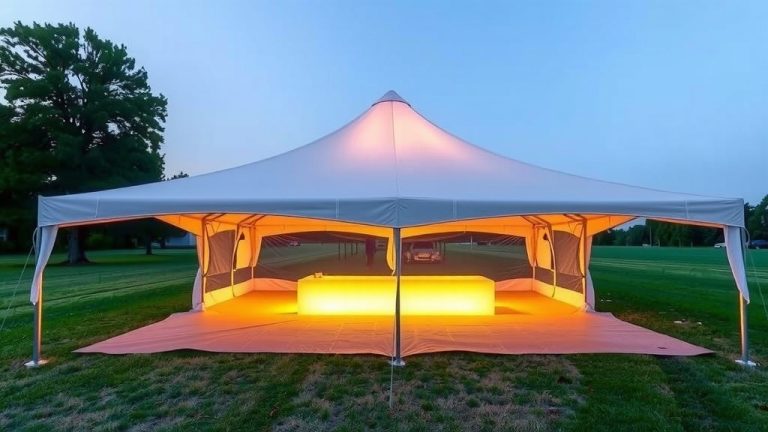
Ideally, your footprint should be the **same size or slightly smaller** than your tent’s floor. If it’s too big, water can pool on it. Then, the water can wick under your tent. That defeats the purpose. A footprint that tucks under the tent walls is best. Some people use a generic tarp. But a tent-specific footprint is usually a **better, more precise fit**.
Material Matters: Durability vs. Weight
Footprints are made from various materials. Many are a tougher, coated nylon. Others might be a lightweight polyethylene. Think about your priorities. Are you backpacking and need to save every ounce? A lighter material might be better. Are you car camping and want maximum durability? A **heavier, more robust material** could be the way to go. We found that most common footprints offer a good balance.
Types of Footprints
You’ll generally find two main types of footprints.
- Custom-fit footprints: These are made by your tent manufacturer. They are designed to perfectly match your tent model. They often have grommets or clips to attach directly to the tent poles. This makes setup and takedown very easy.
- Universal ground cloths: These are more generic. You can find them in various sizes at outdoor stores. They might not have the exact fit. But with careful placement, they work well. They are often less expensive than custom options.
When Is a Footprint Absolutely Essential?
While we recommend them for most situations, some conditions make a footprint a non-negotiable item. You really don’t want to skip it here.
Rocky or Abrasive Campsites
If you know you’ll be camping on gravel, rocky ground, or hard-packed dirt, a footprint is crucial. These surfaces are like sandpaper to your tent floor. The added protection is absolutely necessary. We found that tents used frequently on such surfaces show wear much faster without a footprint.
Wet or Humid Environments
Camping in rainy climates or humid areas? Your tent will face constant moisture. A footprint acts as a vital barrier. It helps prevent water from seeping up from the ground. This keeps your gear and sleeping area significantly **drier and more comfortable**. Many campers find this benefit alone makes the footprint worthwhile.
Extended Camping Trips
If you’re spending multiple nights in one spot, your tent floor is under constant stress. Movement inside, gear rubbing, and prolonged ground contact add up. A footprint helps distribute this stress. It protects against wear and tear. This can **extend the overall lifespan** of your tent considerably.
Preserving Your Investment
Let’s be honest, tents aren’t cheap. Treating your tent well means it will last longer. A footprint is a relatively small cost compared to replacing your tent. We found that a footprint often pays for itself over time by preventing premature damage. It’s a smart way to protect your gear.

A Quick Checklist for Footprint Use
Using your footprint correctly is easy. Just follow these simple steps:
- Always set up your footprint before your tent.
- Ensure the footprint is the correct size or smaller than your tent floor.
- Position the footprint so it doesn’t stick out beyond your tent walls.
- If it has a coated side, usually that side faces up. Check manufacturer instructions.
- When packing, fold the dirty side inward to keep your tent clean.
Conclusion
You’ve learned that a tent footprint isn’t just an extra piece of gear; it’s a smart investment in your camping setup. It’s your tent’s first line of defense against rips, tears, and moisture. By using a footprint, you actively extend the life of your tent and keep your sleeping area drier and cleaner. We found that this simple step makes a big difference in your camping comfort and gear longevity. So, before your next trip, make sure to grab a footprint that fits your tent. Your tent will thank you for it!
Frequently Asked Questions
Do I really need a footprint if my tent is brand new?
Yes, we highly recommend using a footprint even with a new tent. A tent’s floor can still get scratched or punctured by small debris even on its first use. Protecting it from day one ensures it stays in the best possible condition for years to come.
Can I just use a cheap tarp as a tent footprint?
You can, but a tarp might not be the best choice. Tarps are often larger than the tent floor, which can cause water to pool and then seep under your tent. A dedicated footprint is usually sized correctly and made of materials that won’t absorb water, offering better protection.
How do I know if my footprint is the right size?
Your footprint should be the same size as your tent’s floor or slightly smaller. If it extends beyond the tent’s edges, rain can run onto it and then get underneath your tent, making things wet. Aim for a fit that tucks neatly under the tent walls.
Is a footprint necessary for car camping?
While you might be camping on softer ground during car camping, a footprint is still a good idea. It protects your tent floor from abrasion from rocks, roots, and even rougher grass. It also helps keep the tent cleaner, which is nice when you’re not worried about weight.
How do I clean my tent footprint after a trip?
Cleaning is simple. Lay the footprint out flat and brush off any loose dirt or debris. For tougher stains, you can use a mild soap and water solution with a soft brush. Rinse it thoroughly and let it air dry completely before storing it to prevent mildew.



One Comment