
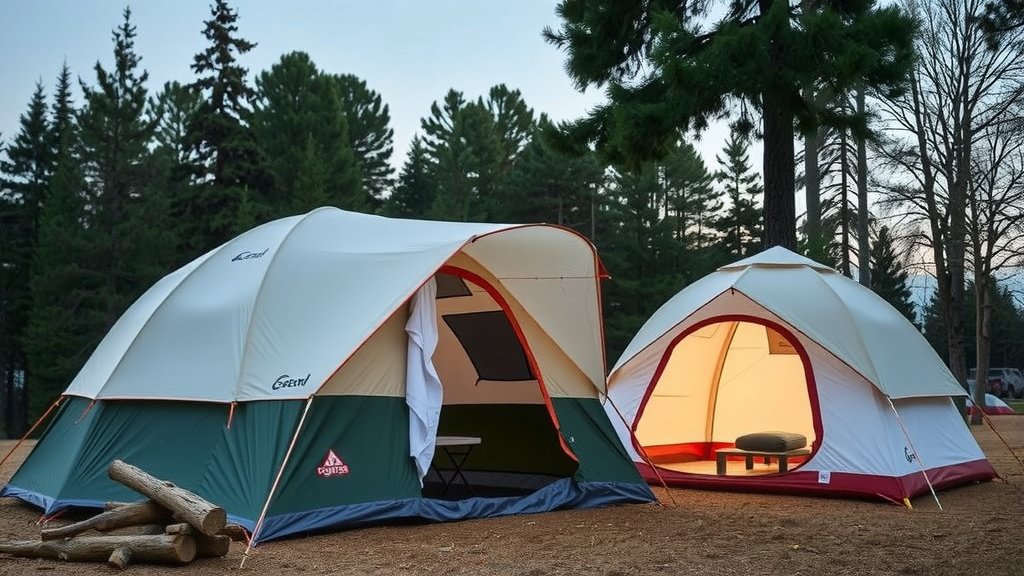
Dome Tent vs Tunnel Tent: Which is Best for Camping
Choosing between a dome tent and a tunnel tent depends on your priorities. Dome tents offer excellent stability in windy conditions and are generally easier to pitch. Tunnel tents, on the other hand, often provide more living space for their weight and are more aerodynamic when set up correctly.
When planning your next camping trip, understanding these differences can make a big impact. Your choice affects how much room you have, how well your shelter handles the weather, and how quickly you can set up camp. We’ve researched what makes each tent type stand out for campers like you.
- Dome tents are great for windy spots.
- Tunnel tents often have more space inside.
- Setup ease can vary between models.
- Consider your camping style when deciding.
Let’s dive into the specifics of dome tents versus tunnel tents to help you pick the perfect shelter for your adventures.
“`html
Weighing Your Options: Dome Tent vs. Tunnel Tent
Choosing the right tent style is key for a comfortable camping trip. You’re likely wondering about the main differences between a dome tent and a tunnel tent. Both have unique strengths that make them great for different situations.
We’ve found that understanding these differences will help you make a decision that suits your adventures. Let’s break down what makes each tent type a potential winner for your next outdoor escape.
Understanding the Dome Tent’s Strengths
Dome tents are a popular choice for many campers. Their design offers some serious advantages, especially when the weather isn’t cooperating.
Stability and Wind Resistance
Dome tents get their name from their shape. They feature poles that cross over the top, creating a rounded, self-supporting structure. This design is inherently stable.
We found that this structure distributes wind forces effectively. The curved walls can deflect gusts rather than catching them head-on. This makes them a great choice for exposed campsites or areas prone to unpredictable winds.
Many experts agree that the geodesic dome structure is quite strong for its weight (National Outdoor Leadership School). The poles are usually color-coded, making setup straightforward.
Ease of Setup
For many campers, the ease of setup is a top priority. Dome tents often excel here.
You’ll typically find that the poles simply slide into sleeves or clip onto the tent body. This makes pitching a dome tent a relatively quick and painless process, even for beginners. You can often set one up by yourself in under 15 minutes.
The freestanding nature means you can pitch it, move it, and then stake it down. This is a big plus if you’re camping on rocky ground.
Common Uses for Dome Tents
We’ve seen dome tents used for a wide variety of camping styles. They are a go-to for casual camping, car camping, and family trips.
- Backpacking trips where weight and stability are important.
- Campsites with potential for wind.
- Campers who value quick setup.
- Music festivals or short weekend getaways.
Exploring the Tunnel Tent’s Advantages
Tunnel tents offer a different approach to shelter design. Their shape prioritizes maximizing internal space and streamlining aerodynamics.
Maximizing Interior Space
The defining feature of a tunnel tent is its semi-geodesic, tunnel-like shape. It uses several flexible poles that run parallel to each other, creating a series of arches.
This design allows for a large, open interior space. You often get more usable floor space and headroom compared to a dome tent of similar weight. This means more room to move around, store gear, and even sit up comfortably.
We found that this open space can make a huge difference on longer trips or during bad weather. Having room to spread out can significantly boost comfort.
Aerodynamics and Weight Efficiency
While not as inherently stable as a true dome in all conditions, a well-pitched tunnel tent is very aerodynamic. Its sloped sides help wind flow over and around it.
Tunnel tents are often designed with weight in mind. They use lighter materials and a pole structure that can be very efficient. This makes them a popular choice for backpackers and bikepackers who need to carry their shelter long distances.
Many models are designed to pitch the flysheet and inner tent together. This is a clever way to save time and keep the inner dry during setup in wet weather.
Ideal Scenarios for Tunnel Tents
Tunnel tents shine in specific camping scenarios. Their design is optimized for certain conditions and user needs.
- Long-distance backpacking where space-to-weight ratio is critical.
- Trips where you anticipate needing more living space.
- Campers who prioritize interior volume for gear or comfort.
- Areas where strong, consistent winds are less of a concern than maximizing space.
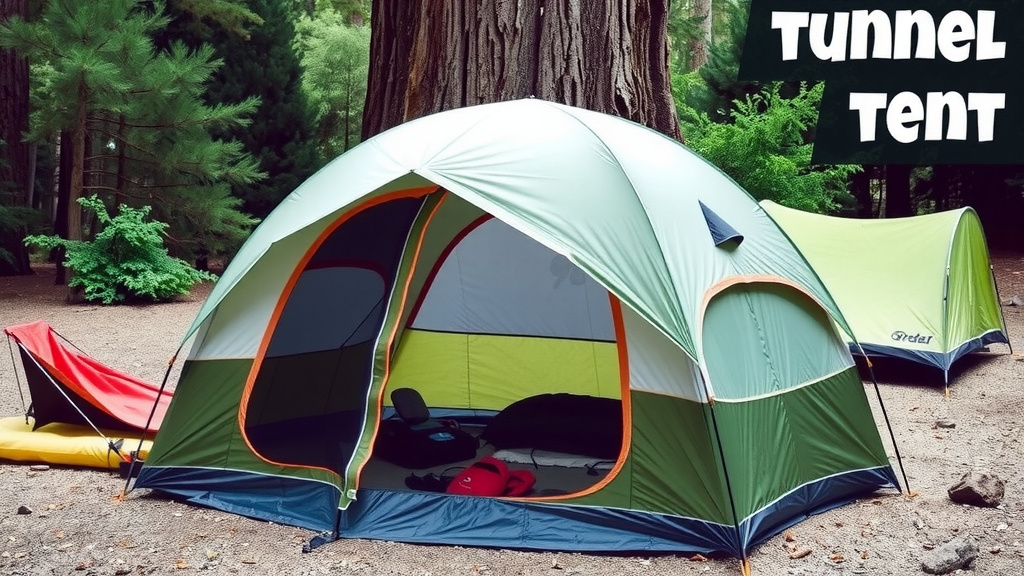
Comparing Key Features Side-by-Side
To help you decide, let’s look at a direct comparison of dome versus tunnel tents.
Here’s a quick table that highlights the main differences:
| Feature | Dome Tent | Tunnel Tent |
|---|---|---|
| Wind Stability | Excellent, especially with multiple pole crossings. | Good when pitched correctly, very aerodynamic. |
| Living Space | Moderate, can feel more cramped. | Excellent, often more headroom and floor space. |
| Ease of Setup | Generally very easy, often freestanding. | Can be easy, especially if pitching fly and inner together. Not always freestanding. |
| Weight Efficiency | Good, but can be heavier for equivalent space. | Often very good, designed for minimal weight. |
| Freestanding? | Typically yes. | Often no, requires staking for full structure. |
| Best For | Windy conditions, casual campers, ease of use. | Backpackers, maximizing interior space, streamlined design. |
When to Choose a Dome Tent
If your camping adventures often take you to places where the wind likes to whip through, a dome tent is likely your best bet. Think wide-open fields or coastal areas.
You’ll appreciate how easily it sets up and how stable it remains. It’s like a sturdy little fort against the elements.
When to Lean Towards a Tunnel Tent
If you’re planning a long backpacking trip and every ounce counts, or if you simply crave more room to stretch out inside your tent, a tunnel tent might be calling your name. It’s all about maximizing your living space for the weight you carry.
Imagine being able to sit up and read or play cards without bumping your head constantly. That’s the tunnel tent advantage.
Your Pre-Trip Checklist
Before you make your final decision, consider running through this quick checklist. It can help clarify your priorities.
- Where will you camp most often? (Windy mountains, calm forests, open fields?)
- How much gear do you typically bring? (Do you need lots of vestibule space?)
- Who are you camping with? (Solo, partner, family?)
- How important is quick setup to you? (Are you always rushing to get camp set up?)
- What’s your budget? (Both styles come in various price ranges.)
- How much weight can you comfortably carry? (If backpacking, this is crucial.)
“`
Conclusion
You’ve now seen how dome and tunnel tents offer distinct advantages. Dome tents are your go-to for rock-solid stability and easy setup, especially in windy areas. Tunnel tents excel when you need more interior space for their weight, perfect for longer trips or bad weather comfort. Your best camping shelter awaits by matching your tent choice to your specific adventure needs. Now, think about your typical camping scenarios and choose the tent that feels right for you.
Frequently Asked Questions
Which tent type is better for beginners?
For most beginners, a dome tent is often the easier choice. Their freestanding nature and straightforward pole design mean you can typically set them up quickly without much hassle. This makes getting your campsite established much less stressful when you’re new to camping.
Can a tunnel tent handle strong winds?
A tunnel tent can handle strong winds if it’s pitched correctly and properly staked. Its aerodynamic shape helps wind flow over it, but it relies more on secure anchoring than a dome tent’s self-supporting structure. You’ll want to ensure you use all the guy lines and stakes for maximum stability.
Which type of tent offers more headroom?
Generally, tunnel tents offer more headroom and overall interior living space compared to dome tents of similar weight. The arching pole structure creates a more open and vertical interior, making it feel less cramped.
Are dome tents good for backpacking?
Yes, dome tents can be great for backpacking, especially if you prioritize stability in windy conditions. Many modern dome tents are designed to be lightweight and compact for carrying. However, if maximizing interior space for weight is your absolute top priority, a tunnel tent might be preferred.
Which tent is easier to store gear in?
Both tent types can offer good gear storage, but tunnel tents often have larger vestibules due to their design. These covered areas outside the main tent body are excellent for storing muddy boots, backpacks, and wet rain gear, keeping the interior of your tent clean and spacious.
![7 Best Pop Up Tents For The Beach [2026]](https://leonardhomeoutdoor.com/wp-content/uploads/2026/09/7-best-pop-up-tents-for-the-beach-2026-featured-768x432.jpg)
![7 Best Freestanding Tent [2026]](https://leonardhomeoutdoor.com/wp-content/uploads/2026/08/7-best-freestanding-tent-2026-featured-768x432.jpg)