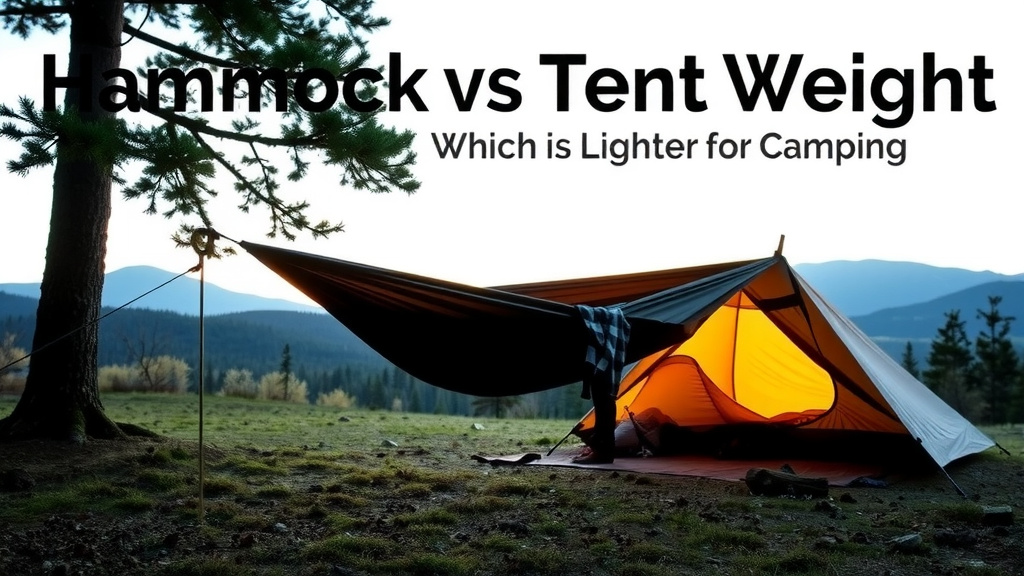
Hammock vs Tent Weight: Which is Lighter for Camping
When comparing hammock vs tent weight, hammocks are generally lighter than tents. This is because they use less material and often come with fewer accessories. You can easily find ultralight camping hammocks weighing under a pound. A comparable tent might weigh 2-4 pounds or more. This difference makes hammocks very appealing for backpackers.
The weight of your shelter is a major factor in backpacking. Every ounce matters when you’re carrying your gear for miles. While a tent offers more protection from the elements and bugs, a hammock setup can be incredibly compact and light. We found that many hikers prioritize weight savings for comfort on longer trips. It’s a trade-off between weight, protection, and setup style. For bikepacking, a bikepacking hammock offers specific weight advantages.
- Hammocks usually weigh less than tents.
- Weight is key for backpackers.
- Tents offer more protection but are heavier.
- Hammocks are great for saving ounces.
- Consider your trip needs for the best choice.
Let’s dive into the specifics of hammock versus tent weight so you can choose the best option for your adventures.
Weighing Your Options: Hammock vs. Tent Gear
When you’re out on the trail, every ounce counts. You’re essentially carrying your home on your back. So, understanding the weight difference between a hammock and a tent is pretty important. We found that most backpackers consider weight a top priority for their gear.
The Bare Bones: What’s Included?
Let’s break down what makes up the weight of each shelter. A tent usually includes the tent body, the rainfly, poles, stakes, and guy lines. Hammocks, on the other hand, typically consist of the hammock body, suspension straps, and sometimes a bug net and a tarp for rain protection. It’s often the poles and stakes that add the bulk to a tent’s weight.
Hammock Weight: Featherlight Trail Companions
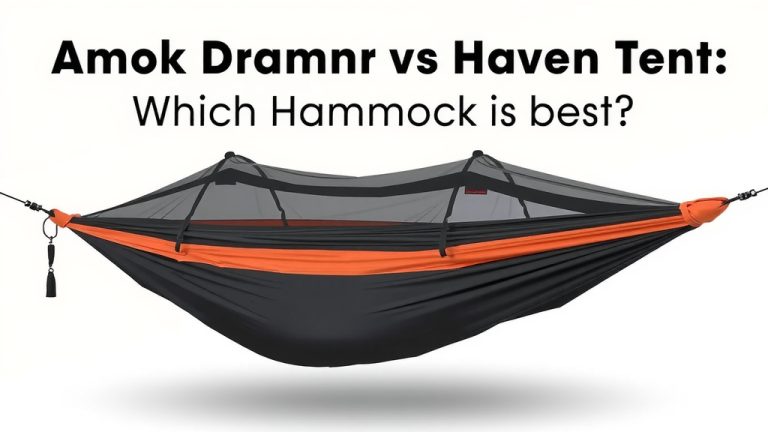
When you’re looking at hammocks, the weight can be surprisingly low. Many ultralight camping hammocks weigh less than two pounds. This often includes the hammock body, suspension system, and a lightweight tarp. You can find some setups that are even under a pound. These are fantastic if you’re trying to shave every possible ounce off your pack. We found that many hikers love how compact these are.
Components of Hammock Weight
The main parts contributing to a hammock’s weight are:
- The hammock fabric itself (often nylon).
- The suspension system (straps, whoopie slings).
- The bug net (if integrated or separate).
- The rain tarp (essential for most conditions).
You can often customize these. Opting for Dyneema Composite Fabric for a tarp, for example, can significantly cut weight. We found that even small accessories can add up, so careful selection matters.
Tent Weight: More Structure, More Mass
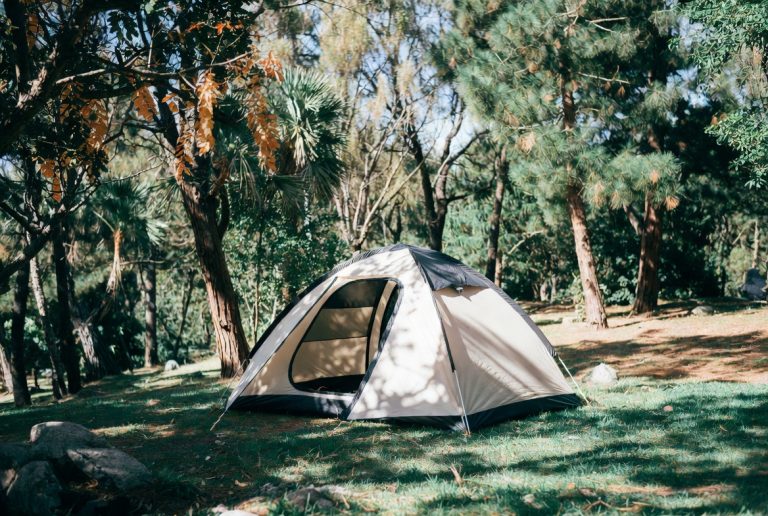
Tents, by their nature, tend to be heavier. They have more structural components. This includes poles, a rainfly, and a floor. A lightweight backpacking tent might range from two to four pounds. Some larger or more robust tents can easily weigh five pounds or more. This added weight is for increased stability and weather protection.
Understanding Tent Weight Components
The weight of a tent comes from:
- The tent body (inner tent).
- The rainfly.
- The tent poles (often aluminum or carbon fiber).
- The stakes.
- The stuff sack.
We found that the poles are often the heaviest single component in a tent. Carbon fiber poles are lighter but more expensive than aluminum ones. Stakes can also add a surprising amount of weight.
Comparing the Numbers: A Direct Look
Let’s put these weights side-by-side. It’s not just about the number, but what you get for that weight. You need to consider what you’re sacrificing or gaining. We’ve seen that this comparison often guides a backpacker’s choice.
Ultralight Hammock vs. Lightweight Tent
Consider this example: A popular ultralight hammock setup (hammock, straps, small tarp) might weigh around 1.5 pounds. A lightweight backpacking tent designed for one or two people might weigh 2.5 pounds. That’s a full pound difference right there.
Now, think about a slightly more robust hammock setup with a larger tarp. That might push it to 2 pounds. A more feature-rich lightweight tent, perhaps with a vestibule or better ventilation, could easily be 3.5 pounds.
We found that the average difference can be between 1 to 3 pounds. This might not sound like much, but over many miles, it’s noticeable. Your energy levels will thank you for carrying less.
What About Extra Gear?
Remember, you need more than just the shelter. For hammocks, you need a sleeping pad for insulation (unless you have a specialized underquilt), and possibly a separate bug net. These add weight. For tents, you already have the floor providing some insulation, but you’ll still need a sleeping pad.
We found that when you add these essential accessories, the weight gap can sometimes shrink, but the hammock often remains lighter. An underquilt for a hammock can weigh between 1 to 2 pounds, bringing its total weight closer to a tent’s. However, it depends on the specific items you choose.
Factors Beyond Just Weight
While weight is a huge consideration, it’s not the only thing. You need to think about your trip and your personal preferences. Sometimes, the trade-offs are worth it. We found that many hikers consider comfort and protection just as important as weight.
Protection and Comfort Considerations
Tents offer a sealed environment. This means superior protection from wind, rain, and creepy crawlies. They also offer more privacy. You can stand up and change clothes more easily inside many tents. Hammocks hang off the ground, which keeps you away from rocks and roots. However, they can be drafty without proper insulation, and managing bugs might require a fully enclosed net. We found that a good tarp setup can provide excellent rain protection for hammocks, though.
Setup Location and Terrain
Where you plan to camp plays a big role. Hammocks require trees or sturdy anchor points spaced correctly apart. If you’re camping in deserts, open plains, or areas with no trees, a hammock simply won’t work. Tents are much more versatile. You can set them up almost anywhere, from rocky ground to sandy beaches. We found that this flexibility is a major advantage for tents.
Your Personal Preferences
Do you enjoy the feeling of sleeping suspended? Do you find setting up a tent tedious? Or do you prefer the solid, enclosed feeling of a tent? Your personal comfort and experience matter. We found that some people just sleep better in one over the other. Try both if you can to see what feels right for your adventures.
Checklist for Your Shelter Choice
To help you decide, consider these points:
- Trip Length: Shorter trips might tolerate a bit more weight.
- Terrain: Are there trees available for a hammock?
- Weather: How critical is wind and rain protection?
- Bug Season: How severe are the insect pests?
- Pack Space: How much room does each shelter take?
- Budget: Ultralight gear can be more expensive.
Conclusion
When you’re planning your next trip, remember that the hammock vs. tent weight debate boils down to your priorities. We’ve seen that hammocks generally win the weight war, offering ultralight options that can save you pounds on the trail. However, tents provide more versatile protection and can be set up in more environments. Think about your trip’s terrain, expected weather, and your personal comfort. Your ideal shelter balances weight savings with the protection and setup style that best suits your adventure.
Take a moment to list your trip’s must-haves and then compare those needs against the weight and features of both hammocks and tents. This careful consideration will help you pack smarter and hike happier.
Frequently Asked Questions
How much lighter is a hammock setup compared to a tent?
We found that a typical ultralight hammock setup can be 1 to 3 pounds lighter than a comparable lightweight backpacking tent. This difference accounts for the hammock body, suspension, and a tarp versus the tent body, rainfly, poles, and stakes.
Do bug nets and tarps for hammocks add a lot of weight?
Yes, these accessories do add weight to your hammock system. A good bug net might add a few ounces, while a larger tarp could add a pound or more. We found that careful selection of materials, like Dyneema Composite Fabric for tarps, can minimize this added weight.
Can a tent ever be lighter than a hammock?
It’s rare, but possible with very specialized, minimalist tent designs and very robust hammock systems. Generally, even a lightweight tent is heavier than a comparable ultralight hammock setup because tents require poles and more material for structure.
What are the heaviest components of each shelter type?
For tents, the poles are often the heaviest individual component. For hammocks, the rain tarp and any included underquilt (for insulation) tend to be the heaviest parts, especially if you’re comparing to a very basic tent.
Should I always choose the lighter option between a hammock and a tent?
Not necessarily. While weight is important for backpacking, you should also consider the protection offered, ease of setup in your chosen environment, and your personal sleeping comfort. We found that sometimes, a few extra ounces are worth the benefits a tent provides, or vice versa for a hammock.

![7 Best Affordable Pop Up Tent [2026]](https://leonardhomeoutdoor.com/wp-content/uploads/2026/06/7-best-affordable-pop-up-tent-2026-featured-768x432.jpg)