
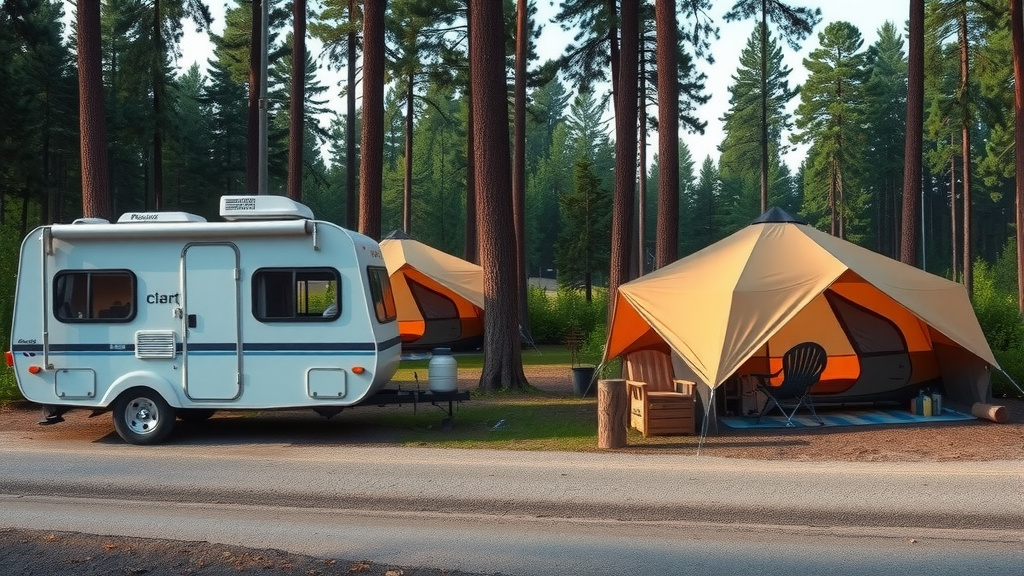
Camper vs Tent Camping: Which is Right for You
Choosing between a camper and tent camping depends on your comfort needs and desired adventure level. While both offer outdoor experiences, campers provide shelter and amenities like beds and kitchens, making them ideal for those seeking more comfort. Tent camping is a more traditional, hands-on experience that requires less gear and offers a closer connection to nature.
Many people wonder which option is “better,” but the truth is, it’s about what’s better for your specific camping style. We found that campers offer a range of conveniences that can make camping more accessible to a wider audience. Tent camping, on the other hand, is perfect for backpackers and those who enjoy a more minimalist approach to the outdoors.
- Campers offer more comfort and amenities.
- Tent camping is more basic and closer to nature.
- Your choice depends on your personal preferences.
- Both offer fantastic ways to enjoy the outdoors.
Let’s break down the key differences between camper and tent camping to help you decide which adventure is right for you.
Choosing Your Outdoor Shelter: Camper vs. Tent Camping
Deciding whether a camper or a tent is the right choice for your next trip boils down to what you want from your outdoor experience. We’ve found that each offers distinct advantages. Understanding these differences will help you pack smart and have more fun.
Setting Up Camp: Ease of Use and Effort
One of the biggest differentiators is how much work goes into setting up. This can set the tone for your entire trip.
Tent Camping Setup
Setting up a tent is often a straightforward process. You typically spread out a groundsheet, assemble poles, and then attach the tent fabric. Many modern tents can be set up in under 30 minutes. It requires a bit of physical effort. You’ll be kneeling and possibly stretching. It’s a bit like building with LEGOs, but bigger. We found that practice makes perfect with tent setup. Your first few times might take a little longer.
Camper Setup
Campers, whether it’s a pop-up trailer or a full-sized RV, generally involve less manual labor. Often, you just need to park it. For pop-up campers, you might extend the canvas sections and set up a few stabilizing jacks. Larger RVs require connecting to utilities like water and electricity. This setup is usually much quicker than a tent. You can often be settled in an hour or less. It feels more like arriving at a small, mobile home.
Comfort and Amenities: Your Home Away From Home
This is where the two options really diverge. Your definition of comfort will heavily influence your choice.
Tent Camping Comforts
Tent camping is more about embracing the basics. Your “amenities” are what you bring. Think sleeping bags, mats, and a camp stove for cooking. You’ll be sleeping closer to the ground. Weather can impact your comfort more directly. A cold night means bundling up. A rainy day might mean being confined to a small space. You are more exposed to the elements. However, many campers find this connection to nature deeply rewarding. Research shows that spending time outdoors can reduce stress (National Library of Medicine).
Camper Comforts
Campers offer a significant upgrade in comfort. Most have actual beds, providing a good night’s sleep. You’ll likely have a kitchen area with a stove and refrigerator. Many campers include bathrooms with showers and toilets. This means you don’t have to rely on campground facilities. You have climate control, so you can stay warm or cool regardless of the weather outside. It’s like bringing a little piece of home with you. This convenience can make camping more accessible for families or those who aren’t keen on roughing it.
Cost Considerations: From Budget to Investment
The price tag associated with each type of camping varies greatly.
Tent Camping Costs
Tent camping is generally the most budget-friendly option. Your initial investment is in a tent, sleeping bags, and basic cooking gear. These items can range from under $100 for a basic setup to several hundred dollars for higher-end gear. Campsite fees are usually lower for tent sites. Many parks offer tent sites for $20-$40 per night. This makes it an accessible way to enjoy the outdoors without breaking the bank.
Camper Camping Costs
Camper camping involves a much larger initial investment. Buying a camper, even a small pop-up, can cost thousands or tens of thousands of dollars. Renting a camper is an option for those who want to try it out. Rental prices can vary from $75 to $300 per night. Campground fees for campers are often higher, especially for RV sites that offer hookups. These sites can range from $40 to $100 or more per night. The ongoing costs of maintenance, insurance, and fuel also add up for camper owners.
Portability and Accessibility: Where Can You Go?
Your choice of shelter impacts how easily you can reach different locations.
Tent Camping Portability
Tents are incredibly portable. You can carry them in a backpack for hiking into remote areas. They fit easily in the trunk of a car. This freedom allows you to access a wider range of campsites, including those deep in national parks or on backcountry trails. Setting up a tent doesn’t require specialized parking spots. You can often find designated tent pads or simply set up on level ground.
Camper Camping Portability
Campers are less portable. While they can be towed or driven to a campsite, they are limited by road access. You generally need a vehicle capable of towing a trailer or a large vehicle like an RV. Many campgrounds have specific RV sites that can accommodate larger vehicles. You can’t typically take a camper on a narrow hiking trail. They are best suited for established campgrounds or designated RV parks.
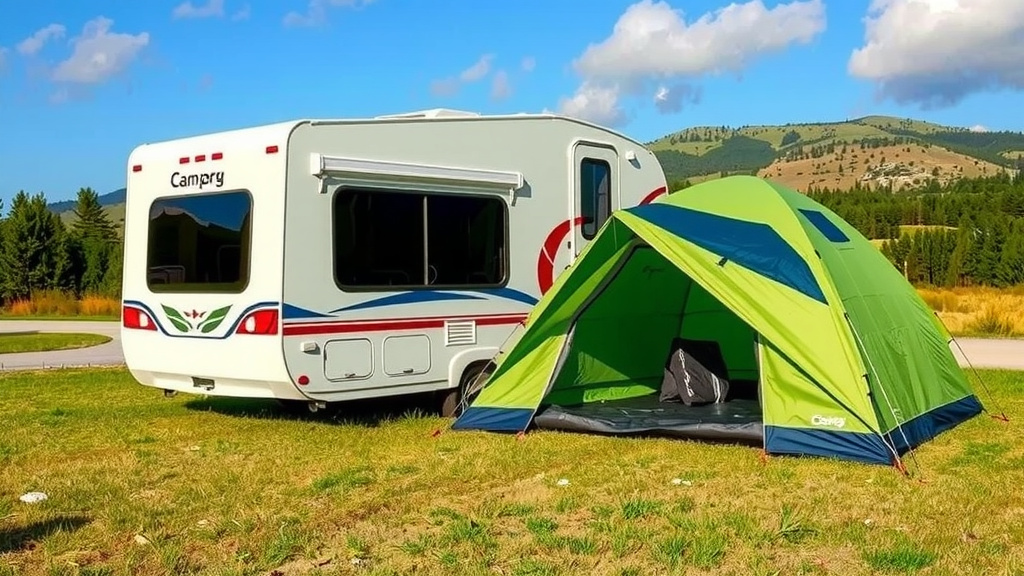
Gear and Packing: What You Need to Bring
The amount and type of gear differ significantly between tent and camper camping.
Tent Camping Gear List
For tent camping, you’ll need the tent itself, sleeping bags, sleeping pads, a stove, cooking utensils, food, water, and appropriate clothing. You might also want camp chairs and a lantern. It’s essential to pack light if you’re hiking in. Even for car camping, efficient packing is key. Many experts recommend creating a checklist to ensure you don’t forget anything important (U.S. Forest Service).
Camper Camping Gear List
Campers often have built-in features that reduce the amount of gear you need. You still need personal items, clothing, food, and perhaps some recreational gear. However, you won’t need to pack a stove, refrigerator, or sleeping bags if your camper is equipped. Many campers come with basic cookware and dinnerware. You might also want bedding and towels. It’s more about stocking your mobile kitchen and making your living space comfortable.
A Quick Comparison at a Glance
Here’s a table to help you see the main differences side-by-side:
| Feature | Tent Camping | Camper Camping |
|---|---|---|
| Initial Cost | Low | High (Purchase) or Medium (Rental) |
| Setup Effort | Moderate physical effort | Minimal physical effort |
| Comfort Level | Basic, closer to nature | High, home-like amenities |
| Portability | Very high | Limited to roads and accessible sites |
| Weather Impact | Higher impact | Lower impact (climate controlled) |
| Gear Required | More essential gear needed | Less essential gear needed (built-in) |
Making Your Choice: What’s Right for You?
Consider these questions when deciding:
- What is your budget for camping gear and trips?
- How much comfort do you require to enjoy the outdoors?
- Are you looking for adventure and a rugged experience, or a more relaxed getaway?
- Do you plan to hike into remote locations or stick to established campgrounds?
- Who are you camping with? (Solo, couple, family with young children?)
If you crave adventure and want to feel truly immersed in nature, tent camping might be your ideal choice. It’s also the way to go if you’re on a tight budget or want the flexibility to explore off-the-beaten-path locations. On the other hand, if you value comfort, convenience, and don’t want to worry about sleeping on the ground or cooking over an open fire, a camper is likely a better fit. It’s perfect for families or those who want a more luxurious outdoor experience.
Conclusion
Deciding between a camper and tent camping comes down to your personal definition of an outdoor adventure. We’ve seen that tents offer a raw, budget-friendly connection to nature, perfect for the minimalist or explorer. Campers provide a comfortable, amenity-rich experience, making the outdoors accessible to more people. Your ideal trip likely balances your desire for adventure with your comfort needs. Consider your budget, desired activities, and who you’re camping with. Ready to pick your perfect shelter? Start planning your next trip by choosing the option that best fits your camping style!
Frequently Asked Questions
What if I want to try camping but don’t want to buy gear yet?
Renting is a fantastic option for both! You can often rent tents and camping equipment from outdoor retailers or directly from some campgrounds. For campers, many companies specialize in RV and camper rentals, allowing you to experience a larger setup without the commitment of ownership.
Can I take my camper to places I can only reach with a tent?
Generally, no. Campers are restricted to roads and established campsites designed for vehicles. If your goal is to hike to remote backcountry spots or set up camp on a secluded trail, a tent is your only option. Your camper’s portability is limited by its size and the need for accessible roads.
Is one type of camping better for families with young children?
Many find campers more family-friendly. The amenities like beds, bathrooms, and climate control offer a level of comfort that can make camping easier with little ones. Having a secure, familiar space can reduce stress for both parents and children, especially on their first few trips.
How does weather affect tent camping versus camper camping?
Weather has a much greater impact on tent camping. You’re more exposed to the elements, so strong winds, heavy rain, or cold temperatures can be challenging. Campers, especially RVs with heating and air conditioning, offer a controlled environment that shields you from most weather conditions, keeping you comfortable regardless of what’s happening outside.
Which option is more environmentally friendly?
Tent camping generally has a lower environmental impact. It requires less energy to produce and transport tents. When camping, you’re often encouraged to Leave No Trace principles more strictly. Campers, particularly RVs, consume fuel and can have a larger footprint due to their size and the need for hookups at campsites.
![7 Best Easy Pop Up Tent [2026]](https://leonardhomeoutdoor.com/wp-content/uploads/2026/08/7-best-easy-pop-up-tent-2026-featured-768x432.jpg)
4 Comments